
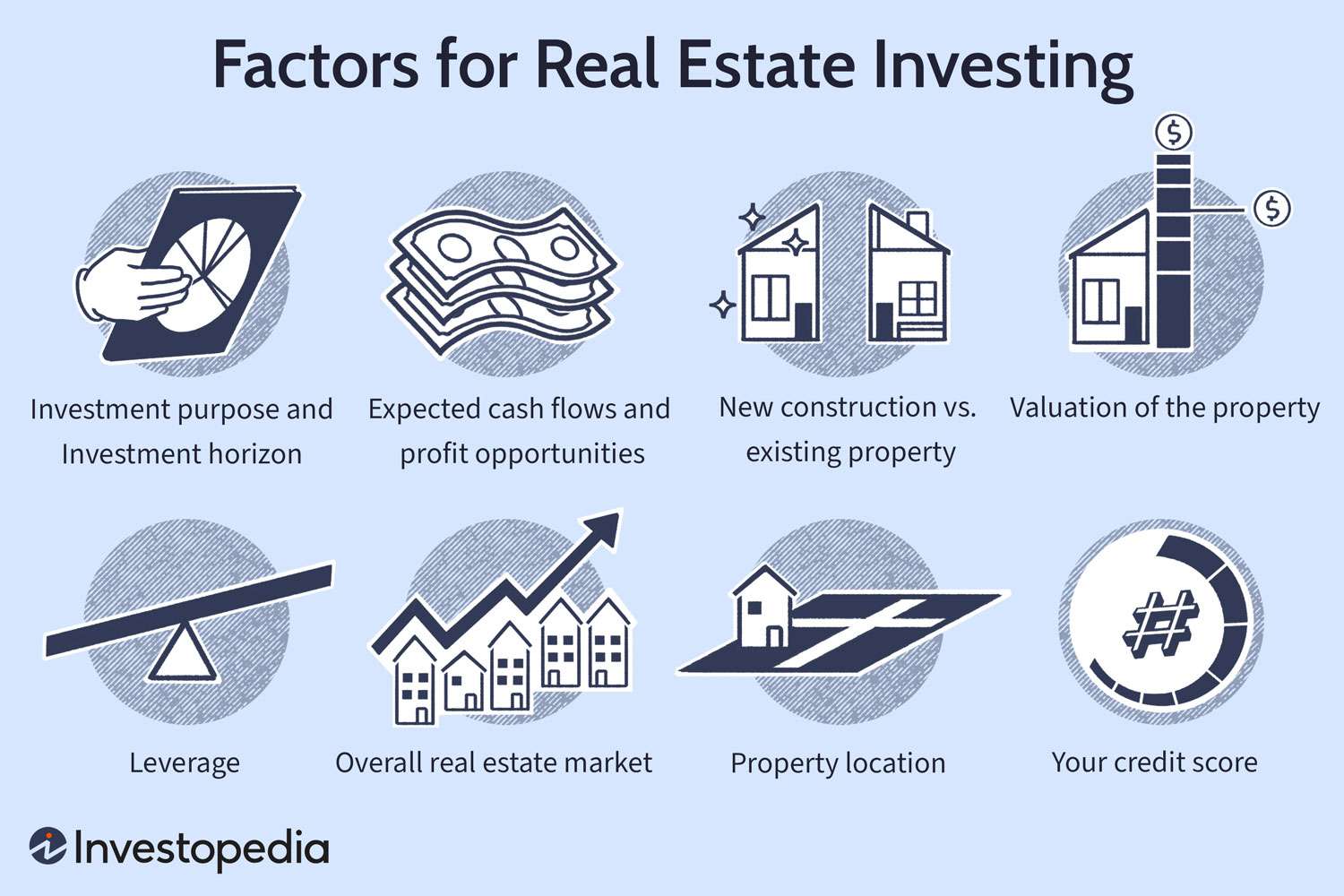
Are you interested in building wealth through real estate investment, but not sure where to start? Whether you’re a novice looking to dip your toes into the property market or an experienced investor seeking new insights, this guide will provide you with valuable tips and strategies to help you confidently navigate your real estate investment journey.
Understanding Real Estate Investment
Before diving into specific tips, it’s important to understand what real estate investment entails. Real estate investing involves purchasing property with the intent to generate income or profit through rental income, property appreciation, or resale. There are various forms of real estate investment, including residential, commercial, industrial, and land investments.
Many individuals are drawn to real estate for the potential of cash flow and capital appreciation. However, this path requires careful planning, market research, and a clear investment strategy.
Setting Financial Goals
Every successful investment journey begins with a clear understanding of your financial goals. Consider the following questions:
-
What Are Your Objectives?
Are you looking for long-term capital gains, immediate rental income, or both? Setting specific, measurable, achievable, relevant, and time-bound (SMART) goals will help shape your investment strategy. -
What Is Your Budget?
Determine how much you are willing to invest. The budget will influence your choice of investment properties, whether you’re looking at single-family homes or multi-unit buildings. -
What Is Your Risk Tolerance?
Real estate can be volatile, and understanding your risk tolerance will guide your investment decisions. Are you comfortable with market fluctuations, or do you prefer stable, low-risk investments?
By answering these questions, you’ll be able to create a tailored investment plan that aligns with your financial aspirations.
Researching the Market
Once you have established your financial goals, the next step is conducting thorough market research. Understanding the market will enable you to make informed decisions and minimize risks. Here are some key areas to focus on:
1. Location, Location, Location
The phrase “location, location, location” is paramount in real estate. Research neighborhoods with strong growth potential, excellent schools, low crime rates, and accessibility to amenities. Investigate upcoming development projects, which can dramatically increase property values in surrounding areas.
2. Market Trends
Stay informed about national and local market trends, including housing prices, rental rates, and economic indicators. Online real estate platforms like Zillow and Redfin provide valuable data on property prices, while local government websites often publish market reports.
3. Property Type
Decide whether you want to invest in residential or commercial properties. Residential properties can be easier to manage and provide steady income through rentals, while commercial properties often yield higher returns but come with increased risks and management demands.
Financial Preparation
Investing in real estate typically requires significant financial resources. Here are essential financial aspects to consider before purchasing your first property:
1. Create a Solid Budget
Outline all potential expenses, including the down payment, closing costs, property taxes, insurance, maintenance, and management fees. It’s crucial to account for both expected and unexpected costs to ensure you don’t overspend.
2. Explore Financing Options
Research various financing options to determine the best fit for your situation. Options include traditional mortgages, FHA loans, VA loans, hard money loans, and partnerships. Consult with financial advisors or mortgage brokers to clarify terms and identify the most beneficial option.
3. Build Your Credit Score
A higher credit score can qualify you for better loan terms and interest rates. If your credit score needs improvement, focus on paying down debt, making on-time payments, and keeping credit utilization low.
Building a Real Estate Team
Successful real estate investment often involves teamwork. Building a proficient team ensures that you have the right expertise to guide you along the way. Consider these key players:
1. Real Estate Agent
A knowledgeable real estate agent is invaluable for finding properties that meet your criteria. They can provide insights on market trends, neighborhood dynamics, and handle negotiations on your behalf.
2. Real Estate Attorney
Having a real estate attorney is critical for navigating contracts and legalities in property transactions. They can help you understand zoning laws, property rights, and any potential legal issues with a property.
3. Property Inspector
A thorough property inspection is vital to avoid purchasing a property with hidden issues. An inspector can identify structural problems and other concerns, giving you leverage in negotiations.
4. Property Manager
If you’re investing in rental properties, hiring a property manager can save you time and headaches. They handle tenant relations, property maintenance, and rent collection, allowing you to focus on growing your investment portfolio.

- Overcome negative thought patterns, reduce stress, and live a worry-free life
- Overthinking is the biggest cause of unhappiness
- Don't get stuck in a never-ending thought loop
- Stay present and keep your mind off things that don't matter, and never will
- Break free of your self-imposed mental prison
Finding the Right Property
With your financial ground solid and team in place, it’s time to start searching for properties. Here are useful strategies to identify the right investment:
1. Define Your Criteria
Before you begin your search, clarify which property features are most important to you. Determine your preferred type, size, location, and potential return on investment.
2. Use Online Platforms
Utilize online real estate platforms like Zillow, Realtor.com, or local MLS websites to filter properties that align with your criteria. Signing up for alerts on new listings can give you an edge in a competitive market.
3. Attend Open Houses
Visiting open houses provides a hands-on experience that online searches can’t provide. Inspect properties, assess their condition, and visualize how they could meet your investment goals.
Conducting Due Diligence
Once you find a property that piques your interest, conducting due diligence is essential to ensure it is a worthwhile investment. Here’s how:
1. Analyze Comparable Sales
Examine recent sales of similar properties in the area to gauge a fair market price. This data will help you determine whether the asking price is reasonable and what potential appreciation you can expect.
2. Assess Cash Flow Potential
For rental properties, calculate the expected cash flow by subtracting all expenses (mortgage, taxes, maintenance, etc.) from potential rental income. A positive cash flow is a good indicator of a sound investment.
3. Inspect the Property
Arrange for professional inspections to uncover any hidden issues. Structural problems can be expensive to fix, and knowing them ahead of time can save you from purchasing a property that requires more repairs than you budgeted for.
Making The Purchase
Once you’re ready to proceed, it’s time to put in an offer and negotiate the contract. Here’s what you need to consider:
1. Crafting the Offer
Based on your research and property condition, make an informed offer. Don’t be afraid to negotiate; sellers often expect some back-and-forth discussion before reaching an agreement.
2. Secure Financing
Once your offer is accepted, work with your lender to secure financing. During this process, maintain communication with your agents and attorney to ensure a smooth transaction.
3. Close the Deal
Prepare for the closing process by ensuring all necessary inspections are completed and paperwork is in order. Closing is the final step in transferring ownership and can involve paperwork, signing contracts, and finalizing payments.
Managing Your Investment
Congratulations on your new property! The work doesn’t stop here; effective management is crucial for maximizing your investment’s potential. Consider the following strategies:
1. Regular Maintenance
Keeping the property well-maintained not only enhances tenant satisfaction but also protects your investment. Schedule regular inspections, address maintenance issues promptly, and keep accurate records of repairs.
2. Tenant Relations
If you’re renting out your property, maintaining good relationships with your tenants is key. Communication and transparency help create a positive rental experience, reducing turnover rates and increasing cash flow potential.
3. Track Finances
Utilize accounting software or platforms to track your income and expenses. Understanding your financial state will help you make informed decisions about future investments and reinvestment strategies.
Expanding Your Portfolio
Once you’ve successfully managed your first property, you may look into expanding your portfolio. Here are tips for scaling your real estate investments:
1. Use Equity as Leverage
Consider leveraging the equity from your existing property for down payments on additional investments. This allows you to grow your portfolio without using all new funds.
2. Explore Different Property Types
Diversifying your investments by exploring various property types can mitigate risks. Consider branching into commercial property, short-term rentals, or even real estate investment trusts (REITs).
3. Stay Informed
Continuously educate yourself about market trends, investment strategies, and changes in real estate regulations. Attend seminars, webinars, or workshops to keep your knowledge current.
Conclusion
Real estate investment can be a lucrative pathway to building wealth, but it requires careful planning, research, and diligence. By following these tips and applying a sound investment strategy, you can position yourself for success in this dynamic market. Remember that every investor’s journey is unique, but the fundamental principles of real estate investment remain the same: preparation, due diligence, and ongoing management. Good luck on your real estate adventure!
Exploring and investing in real estate opens doors to financial freedom and growth. With the right approach, you can navigate this exciting field and turn your property investments into long-term assets. So roll up your sleeves and start building your future today!


