
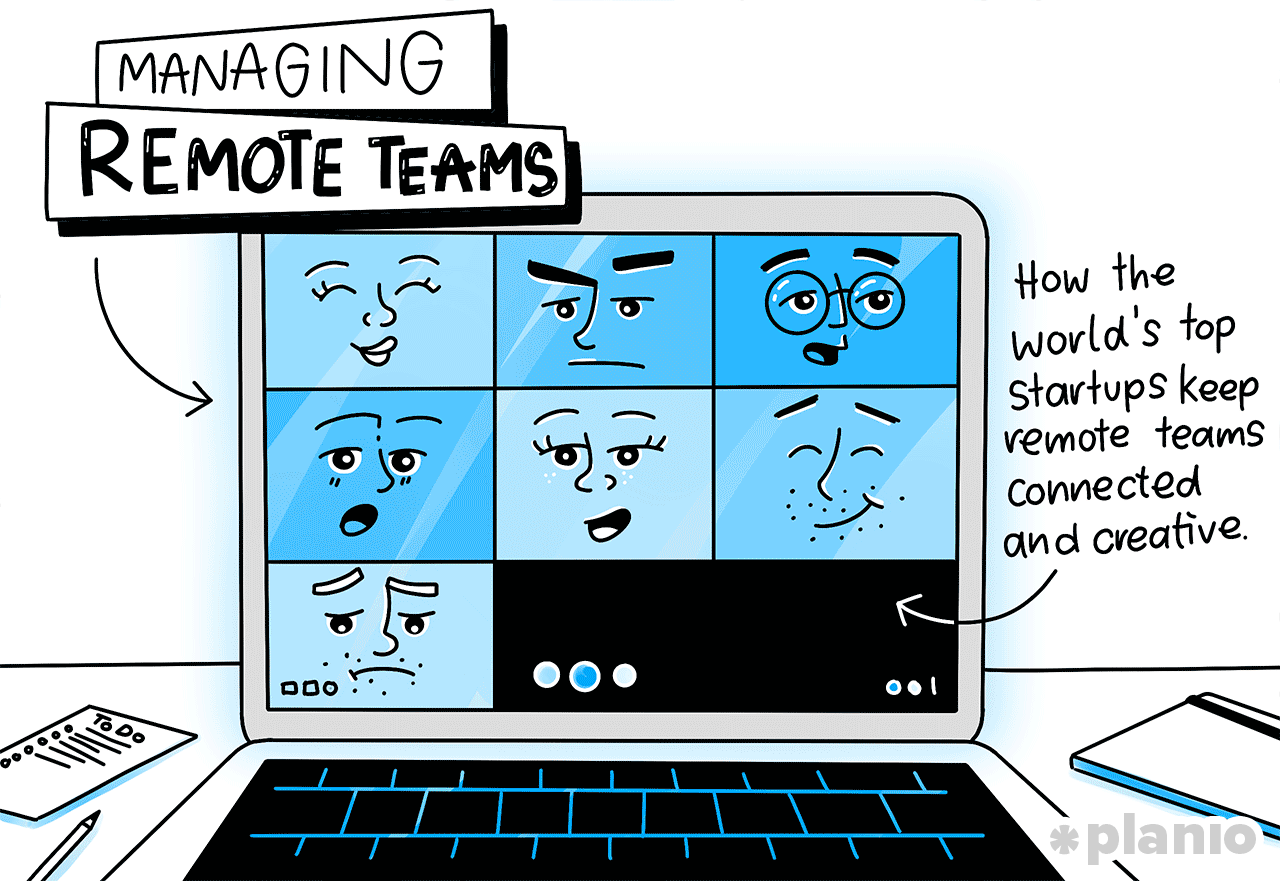
In an era where technology is advancing at an unprecedented pace, Software as a Service (SaaS) has emerged as a pivotal business model driving innovation and growth in the startup landscape. As more startups adopt this flexible approach to deliver their services, the need for effective remote team strategies has never been more critical. So, what are the best remote team strategies in SaaS business plans for startups, and how can you effectively implement them to ensure success?
Understanding the SaaS Landscape
Before diving into remote team strategies, it’s essential to understand why the SaaS business model has become increasingly popular among startups. SaaS provides numerous advantages, including reduced upfront costs, scalable services, and immediate accessibility for users. This model makes it feasible for startups to enter competitive markets without the heavy investments typically associated with traditional software development.
However, while the SaaS business model offers incredible potential, managing a remote team can present challenges unique to this sector. With the global workforce becoming increasingly distributed, fostering efficient collaboration and innovation can be daunting. But with the right strategies, remote work can enhance productivity and responsiveness, leading to a successful startup.
Setting the Stage: Key Elements of Successful Remote Team Strategies
Creating effective remote teams for your SaaS startup starts with a few foundational pieces. Here’s how to find success by incorporating some of these elements into your business strategy:
1. Defining Clear Goals and Expectations
For a remote team to thrive, it’s imperative to have clearly defined goals and expectations. Start by establishing the mission of your SaaS startup and how each team member contributes to that mission. This not only aids in aligning your team’s efforts but also fosters a sense of ownership among employees.
Begin with:
- SMART Goals: Specific, Measurable, Achievable, Relevant, and Time-bound goals provide clarity and direction.
- Regular Check-Ins: Schedule weekly or bi-weekly meetings to ensure that everyone is on the same page and that any roadblocks are addressed promptly.
2. Leveraging Technology
In a remote SaaS startup, technology is your lifeline. Invest in tools that facilitate seamless communication, project management, and collaboration. Here are some popular tools that are indispensable for remote teams:
- Communication: Slack, Microsoft Teams, or Zoom allow for ongoing conversations and easy accessibility.
- Project Management: Tools like Trello, Asana, or Jira can help track progress, assign tasks, and manage deadlines.
- Document Collaboration: Google Workspace or Notion enables real-time collaboration on documents and presentations.
With the right technology, remote teams can communicate effectively, manage tasks efficiently, and maintain a level of engagement that keeps everyone motivated.
3. Hiring the Right Talent
In the SaaS industry, it’s crucial to hire individuals who thrive in a remote work environment. Be clear about the necessary skill sets and remote experience required during the hiring process. Look for candidates who demonstrate:
- Strong communication skills
- Self-motivation and discipline
- Adaptability and problem-solving abilities
Additionally, keeping a diverse team allows for a range of perspectives, leading to more innovative solutions and enhancing creativity.
4. Fostering a Positive Work Culture
A healthy work culture is vital to ensuring remote employees feel valued and engaged. It’s important to put processes in place that promote inclusivity and collaboration. Here’s how you can foster a positive work culture in your remote team:
- Encourage Social Interactions: Use platforms like Donut that help facilitate casual chats among team members, replicating water cooler conversations.
- Recognition Programs: Implement strategies to continually recognize and reward hard work, whether through shout-outs in meetings or formal award programs.
Investing in a positive work culture makes employees feel more connected to their coworkers and the values of your startup.

- Overcome negative thought patterns, reduce stress, and live a worry-free life
- Overthinking is the biggest cause of unhappiness
- Don't get stuck in a never-ending thought loop
- Stay present and keep your mind off things that don't matter, and never will
- Break free of your self-imposed mental prison
5. Implementing Agile Methodologies
Agile methodologies can greatly enhance productivity and efficiency in remote teams. Adopting frameworks such as Scrum or Kanban helps teams work iteratively, allowing for faster adjustments based on client feedback. This results in:
- Faster product releases
- Ability to pivot or adapt quickly when market demands change
- Enhanced communication and collaboration across teams
Utilizing agile frameworks fosters a culture of flexibility and responsiveness, essential in the fast-paced SaaS environment.
Addressing Challenges of Remote Work
Despite the numerous benefits, managing a remote team comes with its set of challenges. Here are some common obstacles startups may face and strategies to address them:
1. Communication Barriers
Poor communication can lead to misunderstandings, decreased productivity, and a disengaged team. To mitigate this, establish clear communication norms:
- Hold regular team meetings to outline priorities and address potential misunderstandings.
- Foster open communication channels where employees feel comfortable sharing ideas and concerns.
2. Time Zone Differences
With remote teams spread across different time zones, coordinating work can become challenging. To address this:
- Promote flexible work hours that allow for overlap in working hours across different time zones.
- Use asynchronous communication tools that allow team members to contribute and respond at their convenience.
3. Maintaining Work-Life Balance
Remote work can blur the lines between personal and professional lives, leading to burnout. Encourage your team to establish boundaries:
- Implement policies that encourage time-off and prevent overworking.
- Promote breaks throughout the workday to help recharge and refresh.
Measuring Success: KPIs for Remote SaaS Teams
Keeping track of your remote team’s effectiveness is critical. By establishing Key Performance Indicators (KPIs), you can assess the productivity and morale of your team. Here are some useful KPIs specifically for remote SaaS teams:
- Employee Satisfaction: Use surveys to gauge employee engagement and satisfaction.
- Project Velocity: Measure how quickly your team completes their projects and tasks.
- Onboarding Time: Track how long it takes for new hires to become productive members of the team.
Regularly reviewing these KPIs will help you make informed decisions about team dynamics and overall effectiveness.
The Future of Remote Work in SaaS Startups
As the SaaS business model continues to grow, so will the strength and prevalence of remote teams. Startups that invest in effective remote team strategies will have a competitive edge, allowing them to attract top talent and respond swiftly to market changes.
So, if you’re leading a SaaS startup, remember these strategies are not just “nice to have” but essential elements that can determine your success or failure in this dynamic and competitive landscape. By building a robust and agile remote workforce, your startup can innovate faster, deliver value to customers, and create a thriving company culture — all while navigating the evolving world of remote work.
Conclusion
In conclusion, remote team strategies play a pivotal role in the success of SaaS startups. By defining clear goals, leveraging technology, hiring the right talent, fostering a positive work culture, and implementing agile methodologies, you can create a productive and engaged workforce. Addressing the inherent challenges of remote work with proactive strategies ensures that your remote team remains aligned and motivated, ultimately driving your SaaS startup towards success. As you plan your business strategies for the future, consider these remote team elements to harness the full potential of your innovative ideas and technology.
Embrace the future of work, and reap the rewards of a well-coordinated remote team that can propel your SaaS business to new heights!


