
In today’s rapidly evolving tech landscape, the demand for Software as a Service (SaaS) solutions is soaring. Entrepreneurs are racing to create innovative products that can meet the needs of a diverse clientele, whether it’s enhancing productivity in the workplace or streamlining customer relationships. However, turning a groundbreaking idea into a successful SaaS startup requires more than just technical skills and creativity. One of the most critical steps for startups is securing funding, particularly Series A financing. So, what do SaaS startups need in their business plans to attract this critical funding?
Understanding Series A Funding
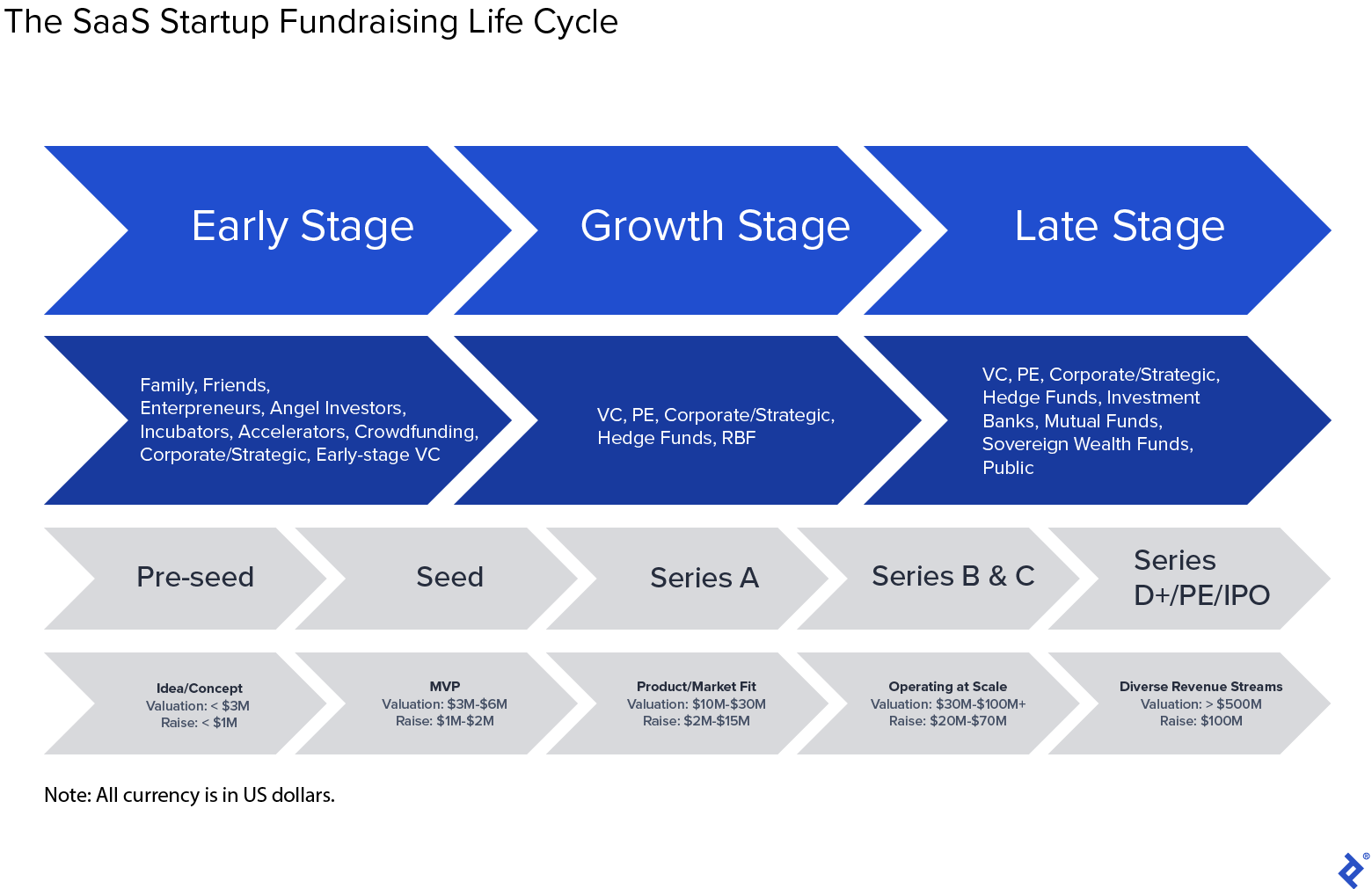
Before diving into the essentials of a winning business plan, it’s crucial to understand what Series A funding is. Series A is the first round of venture capital financing offered to startups after they’ve established a product and have a viable business model. This funding round typically occurs when a company has demonstrated some traction in the market but requires capital to scale operations, expand the team, or enhance marketing efforts.
Why Is Series A Funding Crucial for SaaS Startups?
Having a robust business plan can make or break your chances of securing Series A funding. This is particularly true in the software arena, where potential investors aim to understand a startup’s scalability, return on investment (ROI), and overall market potential. A well-crafted business plan can not only persuade investors to back your startup but also guide your strategic decisions down the line.
Components of a Winning Business Plan for SaaS Startups
1. Executive Summary
An executive summary is usually the first section of a business plan, and it should summarize the essential points of the report in a concise manner. This should include:
- The startup’s mission and vision.
- The problem your SaaS solution addresses.
- Key products or services.
- Market opportunity and how you plan to seize it.
Investors often make quick decisions based on the executive summary, so make sure it captivates their attention and clearly states your value proposition.
2. Detailed Market Analysis
What is the size of your target market? Who are your competitors? A thorough market analysis not only outlines the potential size of your market but also demonstrates your awareness of the competitive landscape.
-
Market Segmentation: Identify distinct customer segments and their unique needs. For a SaaS startup, this could involve different industries (healthcare, finance, etc.) or business sizes (startups vs established companies).
-
Competitive Analysis: Provide a robust analysis of key competitors, including their strengths and weaknesses. It’s imperative to clearly articulate your unique selling proposition (USP) and how your SaaS product differs from existing solutions.
3. Clear Business Model
Your business model describes how you plan to generate revenue. SaaS businesses often employ various pricing strategies, such as subscriptions, freemium models, or one-time payments. Be specific in your business model:
-
Subscription Model: Outline your pricing tiers (e.g., Basic, Premium, Enterprise) and the features offered at each level.
-
Churn Rate: Define metrics like churn rate and customer lifetime value (CLV) to showcase your understanding of profitability.
Investors want to see that your revenue model is scalable. Describe how you intend to retain customers and reduce churn, as customer retention is crucial for the long-term success of a SaaS business.
4. Growth Strategy
Investors look for high-growth potential in their portfolio companies. Clearly outline your growth strategy, which may include:
-
Customer Acquisition: Discuss your marketing tactics (e.g., content marketing, paid ads, partnerships) to attract new users.
-
Sales Funnel: Describe your approach to nurturing leads from awareness to conversion, including sales tactics and how you aim to improve conversion rates.
-
Scaling Operations: Identify the necessary resources, both human and technological, to support your growth. This could involve hiring new team members, investing in software infrastructure, or expanding to new markets.
5. Technology Stack
Given that your product is digital, investors will want insight into your technology stack. Clarify:
-
Infrastructure: What technologies are you using to build your product? Is your software cloud-based, and what frameworks are in place to ensure high availability and performance?
-
Product Roadmap: Share your vision for future product enhancements and new features based on customer feedback and market trends.
A solid technological foundation reassures investors that your product is built for scalability and long-term success.

- Overcome negative thought patterns, reduce stress, and live a worry-free life
- Overthinking is the biggest cause of unhappiness
- Don't get stuck in a never-ending thought loop
- Stay present and keep your mind off things that don't matter, and never will
- Break free of your self-imposed mental prison
6. Metrics and Forecasts
Potential investors will evaluate your startup based on key performance indicators (KPIs). Include a section that outlines:
-
Revenue Projections: Present realistic financial forecasts for the next three to five years, specifying revenue streams.
-
User Metrics: Highlight metrics like Monthly Recurring Revenue (MRR), Annual Recurring Revenue (ARR), customer acquisition cost (CAC), and lifetime value (LTV).
-
Break-even Analysis: Provide insights into when you expect to become profitable. This shows investors your understanding of the financial dynamics of your business.
Realistic and well-researched forecasts are crucial in proving your startup’s financial viability to investors.
7. Team Overview
An often-overlooked aspect is the strength of the founding team. Highlight the skills, backgrounds, and experiences of your team, showcasing how they complement each other:
-
Founders Backgrounds: Discuss your expertise and any relevant industry experience that gives you an edge.
-
Advisory Board: If applicable, mention any advisors who have reputable experience, as they can add credibility to your startup.
Investors bank on the team as much as the idea itself, as a dedicated and skilled team is crucial for executing your vision.
8. Risks and Mitigation Strategies
Every startup faces challenges and risks. A section discussing potential risks and your strategies for mitigating them demonstrates foresight and preparedness:
-
Market Risks: Identify potential challenges arising from market changes or evolving user preferences.
-
Operational Risks: Discuss challenges related to technology, data security, or regulatory concerns, and how you plan to navigate them.
By openly addressing risks, you can build trust with investors and showcase your strategic planning.
9. Exit Strategy
Though it may seem counterintuitive early on, investors want to know how they can eventually recoup their investment. Discuss your projected exit strategy:
-
Acquisition: Are you aiming for a strategic acquisition by a larger company in your industry?
-
Market Positioning: What position do you hope to achieve in the market that would make you an attractive acquisition target?
Having a clear exit strategy indicates that you’re considering not just immediate funding but also long-term success.
Conclusion
As you prepare to approach potential investors for Series A funding, remember that a well-structured business plan can make all the difference. Your plan should not only capture the essence of your SaaS business but also demonstrate your awareness of the market conditions and your strategy for growth. A compelling business plan will serve as both a roadmap for your startup’s success and a persuasive document to attract the necessary funding.
By focusing on these critical components, SaaS startups can dramatically increase their chances of securing Series A funding and taking their businesses to the next level. Ultimately, it’s a journey that requires passion, perseverance, and an adept understanding of both your product and the market landscape in which you operate. As you embark on this path, remember: your business plan is not just a document; it’s the articulation of your vision and a vital tool for attracting the investors who can help make that vision a reality.
With the right preparation and understanding of what investors are looking for, your SaaS startup can not only survive but thrive in the competitive landscape of technology startups. So shield yourself with knowledge, craft your business plan with diligence, and step confidently towards securing the funding needed for your success.


