
When you decide to take the leap into the world of entrepreneurship, you will encounter many important choices along the way that can significantly impact your startup. One of those choices is the selection of a business structure. Among the various options available, a sole proprietorship is often touted as the simplest and most cost-effective choice for startups. However, understanding the tax implications of this structure can be a bit perplexing. So, should you form a sole proprietorship for your startup? Let’s dive deep into the factors you need to consider, particularly from a taxation standpoint.
What Is a Sole Proprietorship?
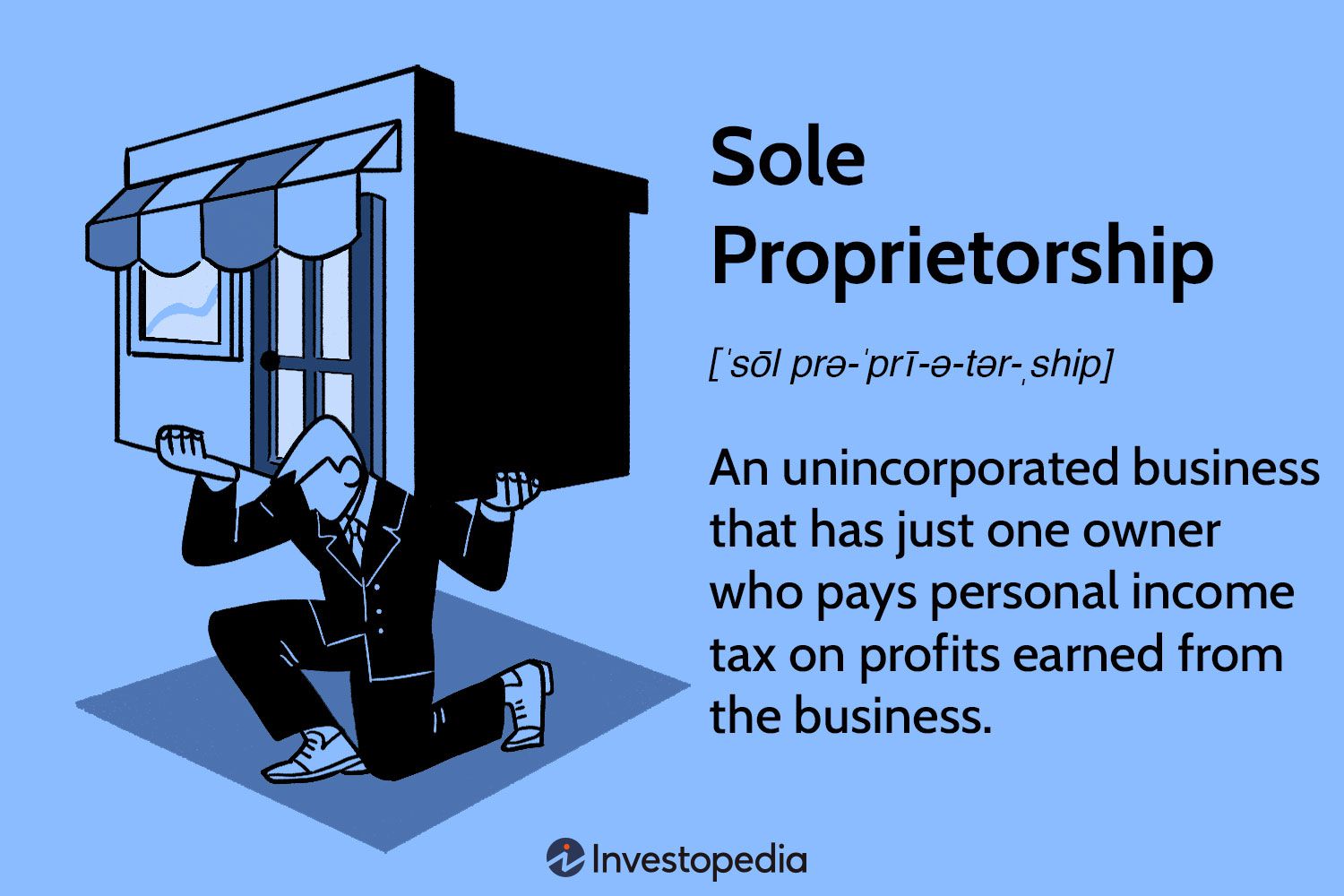
To begin, it’s essential to define what a sole proprietorship is. A sole proprietorship is the most basic form of business entity you can establish. It is defined as a business owned and operated by a single individual. This means that there’s no legal distinction between the owner and the business—essentially, you are the business. One of the major advantages of this structure is its simplicity. You don’t have to go through lengthy processes to register your business with any government entity, and there are minimal compliance requirements.
Benefits of a Sole Proprietorship
Before diving into tax implications, let’s briefly explore some of the benefits of forming a sole proprietorship:
-
Ease of Setup: Setting up a sole proprietorship is straightforward. In most cases, you just need to choose a business name and possibly register it, depending on your state’s requirements.
-
Complete Control: As a sole proprietor, you have full control over all business operations and decisions. This flexibility allows for quick pivots and decisions as market conditions change.
-
Minimal Regulations: Compared to corporations or LLCs, sole proprietorships face fewer regulatory requirements. This means less time spent on compliance and paperwork.
-
Pass-Through Taxation: One of the most notable financial advantages is that all profits (or losses) pass directly to the owner’s personal tax return (more on this later).
Tax Implications of a Sole Proprietorship
While there are many advantages to forming a sole proprietorship, it’s crucial to understand the associated tax implications. These can significantly impact your net income, retirement, and even your ability to secure funding in the future.
-
Self-Employment Tax: As a sole proprietor, you are considered self-employed. This means you will need to pay self-employment taxes, which cover Social Security and Medicare taxes. For 2023, the self-employment tax rate is 15.3%, which applies to your net earnings from self-employment. It’s a combination of a 12.4% Social Security tax and a 2.9% Medicare tax.
-
Net Earnings Calculation: To determine your net earnings, you would subtract allowable business expenses from your total income. This net income is what your self-employment tax is based on. For example, if you earned $50,000 in revenue and had $20,000 in business expenses, your net earnings would be $30,000.
-
Quarterly Estimated Taxes: Since taxes are not withheld from your income as they would be in a traditional job, you are required to make estimated tax payments quarterly. This can be a bit daunting for new entrepreneurs, as failing to pay these can lead to penalties. It is essential to adopt a tax strategy at the outset to avoid surprises during tax season.
-
Tax Deductions: One of the advantages of a sole proprietorship is the ability to deduct ordinary and necessary business expenses from your income, which helps minimize your tax liability. Common deductions include:
-
Home office expenses (if applicable).
- Business supplies and materials.
- Marketing and advertising costs.
- Business-related travel and meals.
- Professional fees for services like accounting and legal advice.
Maintaining good records of these expenses is crucial. You can utilize methods like software applications or a simple spreadsheet to keep track of them.
-
Personal Liability: While it’s not a tax implication per se, it’s crucial to mention that a sole proprietorship does not provide personal liability protection. This means that in the event of a lawsuit or business debt, your personal assets (like your home or savings) could be at risk. This factor can weigh heavily when making the decision about your business structure.
-
Employment Tax Considerations: If you plan to hire employees, the tax structure may become more complicated. As a sole proprietor, you’ll be required to register for an Employer Identification Number (EIN) and withhold federal income taxes, Social Security, and Medicare taxes from your employees’ wages. You’ll also need to pay unemployment tax (FUTA).
-
State and Local Taxes: Be sure to account for any state and local business taxes and fees based on your location. These can vary significantly from place to place, and understanding your local tax laws is critical to budgeting and planning.

- Overcome negative thought patterns, reduce stress, and live a worry-free life
- Overthinking is the biggest cause of unhappiness
- Don't get stuck in a never-ending thought loop
- Stay present and keep your mind off things that don't matter, and never will
- Break free of your self-imposed mental prison
Is a Sole Proprietorship Right for You?
Now that we’ve outlined the various facets of a sole proprietorship, you may be wondering if this is the right business structure for you. Here are some questions to consider:
-
What Are Your Revenue Expectations? If you anticipate high revenues or plan to scale rapidly, the simplicity of a sole proprietorship may not be beneficial in the long run. Ultimately, higher revenues could expose you to higher tax liabilities, making structures like an LLC or corporation more appealing for liability and tax management.
-
Are You Concerned About Liability? If you are operating in a field with higher risks (think medical services or construction), the lack of liability protection associated with a sole proprietorship could expose you to significant personal financial risk.
-
Are You Prepared for Tax Responsibilities? If you’re comfortable navigating tax responsibilities and maintaining detailed records, a sole proprietorship may suit you. Conversely, if taxes intimidate you, consider hiring a tax professional or exploring other business structures that simplify taxation.
-
Do You Plan to Seek Investment? If you intend to attract investors or venture capital, a sole proprietorship might hinder your chances. Investors typically prefer more formal structures like LLCs or corporations, which provide limited liability and allow shares to be issued.
Steps to Form a Sole Proprietorship
If you’ve decided that a sole proprietorship is your best option, the next steps are pretty straightforward:
-
Choose a Business Name: Make sure you select a name that reflects your brand and check for name availability. If you plan to use a name other than your own, you may need to register a “Doing Business As” (DBA) name.
-
Register Your Business: Check local regulations to see if you need to register your business with the state or obtain any licenses or permits.
-
Open a Business Bank Account: Separating your personal and business finances can help with organization and limit potential liability.
-
Plan for Taxes: Set aside a percentage of your income for taxes and start making estimated quarterly payments to avoid penalties later.
-
Keep Good Records: Maintain accurate records of income, expenses, and other business-related transactions to make tax preparation much easier.
Conclusion
Choosing the right business structure is a crucial decision that can impact your startup in various ways, particularly regarding tax implications. A sole proprietorship offers simplicity and ease of setup, making it an attractive option for many small businesses. However, understanding the realities of self-employment tax, personal liability, and overall tax responsibility is vital before making this choice.
In the end, the decision should align with your goals, income expectations, and appetite for risk. If your startup aligns with the characteristics of a sole proprietorship, it can serve as a solid foundation for your entrepreneurial journey. Alternatively, consider consulting with a tax professional or business advisor to discuss your unique situation and explore other structures suitable to support your long-term vision.
By giving careful thought to this decision, you can set your startup on the path to success, minimizing tax implications along the way while maximizing your business potential. Happy entrepreneurial journey!


