
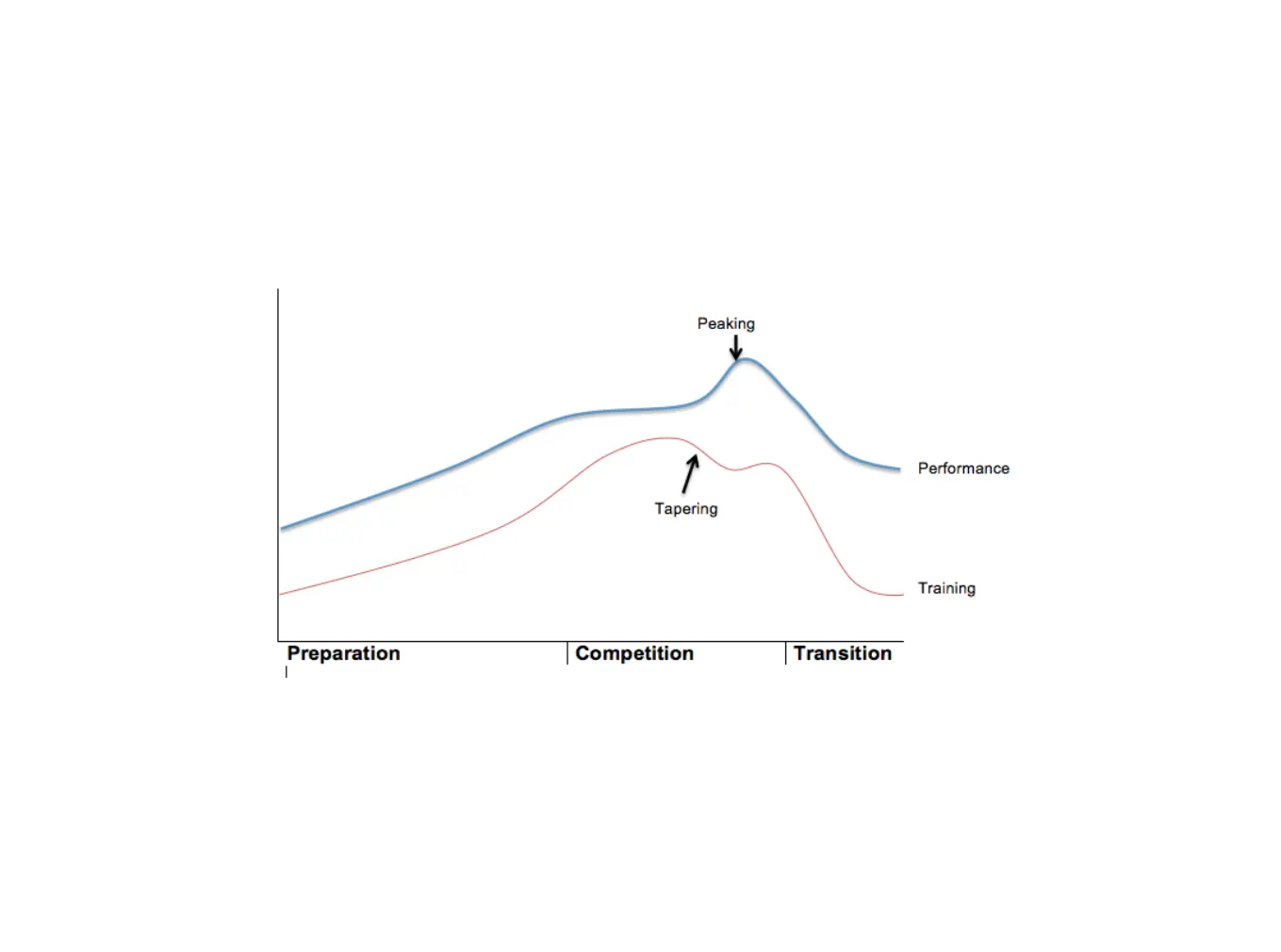
Tapering refers to the gradual reduction of the Federal Reserve’s bond-buying programs—known as quantitative easing (QE)—used to inject liquidity into the economy. It marks the transition from monetary expansion to normalization. When the Fed tapers, it still purchases assets but at a slower pace, signaling confidence in economic stability and the beginning of tighter financial conditions.
In 2025, tapering is again a central topic on Wall Street. After years of stimulus to counter the pandemic and inflation shocks, the Fed’s balance sheet remains near $7.5 trillion. Reducing it safely without destabilizing bond or equity markets is one of the most delicate challenges in modern U.S. monetary policy.
Tapering doesn’t mean tightening—but markets often react as if it does.
Key Insights
- Tapering = slowing the pace of the Fed’s asset purchases.
- It signals a move from stimulus to normalization.
- The first modern tapering episode (2013) triggered the “Taper Tantrum.”
- Impacts include higher yields, stronger dollar, and lower equity valuations.
- In 2025, the Fed is reducing holdings of Treasuries and MBS by $60 billion/month.
What Tapering Means in Practice
During QE, the Fed buys U.S. Treasuries and mortgage-backed securities (MBS) to lower long-term rates and encourage lending.
Tapering means scaling back these purchases—not selling outright.
Example:
- QE phase: $120 billion/month in asset purchases.
- Taper phase: reduction by $10 billion each month until reaching zero.
Once the balance sheet stops expanding, the Fed may later consider quantitative tightening (QT)—actively allowing bonds to mature without reinvestment.
Why the Fed Tapers
- Strong economic recovery.
- Falling inflation expectations.
- Desire to prevent asset bubbles.
- Preparing for future rate cuts by rebuilding policy space.
As the Federal Reserve’s Financial Stability Overview notes, tapering serves to “balance inflation control with financial-market stability.”
The Mechanics of Tapering
- Announcement: The Fed communicates its tapering schedule through FOMC statements.
- Implementation: Monthly reductions in Treasury and MBS purchases.
- Monitoring: Officials assess employment, inflation, and credit spreads before further steps.
In 2025, the Fed maintains the policy rate near 5% while trimming its balance sheet toward a long-term target near 20% of GDP.
Historical Precedent: The 2013 Taper Tantrum
When then-Chair Ben Bernanke announced tapering in May 2013, the 10-year Treasury yield jumped from 1.6% → 3.0% within months.
Equities briefly corrected, and emerging markets suffered outflows.
Lesson: Communication is critical.
In 2025, the Fed uses forward guidance and quantitative thresholds to avoid similar shocks.
Tapering vs. Tightening
| Policy Tool | Action | Market Effect |
|---|---|---|
| Tapering | Slows asset purchases | Gradual liquidity reduction |
| Quantitative Tightening | Shrinks balance sheet | Direct drain on reserves |
| Rate Hikes | Raises short-term rates | Immediate cost-of-capital increase |
Tapering precedes tightening but doesn’t automatically imply rate increases.
Impact on Financial Markets
1.
Bonds
Reduced demand from the Fed lifts long-term yields.
The FDIC’s Quarterly Banking Profile shows rising unrealized losses on bank bond portfolios as yields adjust upward.
2.
Equities
Tapering often compresses valuation multiples.
As covered in ERP Explained: The U.S. Equity Risk Premium and What It Means for Valuations (2025), a shrinking liquidity premium increases the ERP and thus lowers fair P/E ratios.
3.
Dollar
Lower QE weakens global dollar supply, supporting the currency—typically bearish for commodities.
4.
Credit Markets
Spreads widen slightly as private investors replace central-bank demand.
Tapering and the Yield Curve
Tapering typically steepens the yield curve initially—long-term yields rise faster than short rates—but can later flatten it if markets anticipate slower growth.
Morningstar’s U.S. Fixed-Income Outlook 2025 projects 10-year yields stabilizing around 4.6%, consistent with gradual tapering and anchored inflation.
Interaction with Inflation and Employment
The Fed uses the dual mandate—price stability and maximum employment—to time tapering.
As inflation cooled from 6.2% (2022) to 2.4% (2025), the case for continued asset reduction strengthened.
Unemployment near 4.1% indicates limited downside risk to labor markets.
Tapering and Corporate Financing
Higher yields raise borrowing costs and slow share repurchases.
In Buybacks Explained: Why U.S. Companies Repurchase Their Own Shares (2025), we observed that taper-induced rate increases reduce debt-funded repurchases and encourage cash conservation.
Sectors most affected: real estate, utilities, and high-growth tech, where valuations depend heavily on low discount rates.
Global Spillovers
Tapering affects global liquidity through capital flows.
Emerging-market currencies and bonds often weaken when U.S. yields rise.
The IMF estimates that every 100-basis-point rise in U.S. 10-year yields cuts EM portfolio inflows by 1.5 %.
Market Reaction in 2025
So far, tapering has unfolded smoothly:
- S&P 500 +7 % YTD despite reduced Fed support.
- 10-year Treasury yield steady near 4.6 %.
- Inflation expectations anchored around 2.3 %.
Analysts attribute this calm to transparent Fed communication and strong corporate balance sheets.
Morningstar’s mid-year report calls 2025 “a normalization cycle without panic”—a stark contrast to 2013.
Outlook for 2026
The Fed aims to complete tapering by mid-2026, letting passive runoff continue.
If growth slows materially, the FOMC may pause balance-sheet reduction to preserve market liquidity.
A stable ERP near 4.5 % and moderating inflation should allow a neutral policy stance without triggering volatility.
Conclusion
Tapering marks the shift from emergency policy to sustainable normalcy.
It reduces dependence on central-bank liquidity and restores market discipline—though at the cost of higher financing rates.
“Tapering is not the end of support—it’s the return of responsibility.”
For U.S. investors, understanding tapering means understanding how monetary tides shape every valuation, yield, and asset price.
Disclaimer:
The information in this article is for educational and informational purposes only and does not constitute financial advice. Always consult a qualified financial advisor before making investment decisions. Past performance is not indicative of future results, and all investments carry risk. TheMarketCapitalist.com assumes no responsibility for losses resulting from use of this information.


