
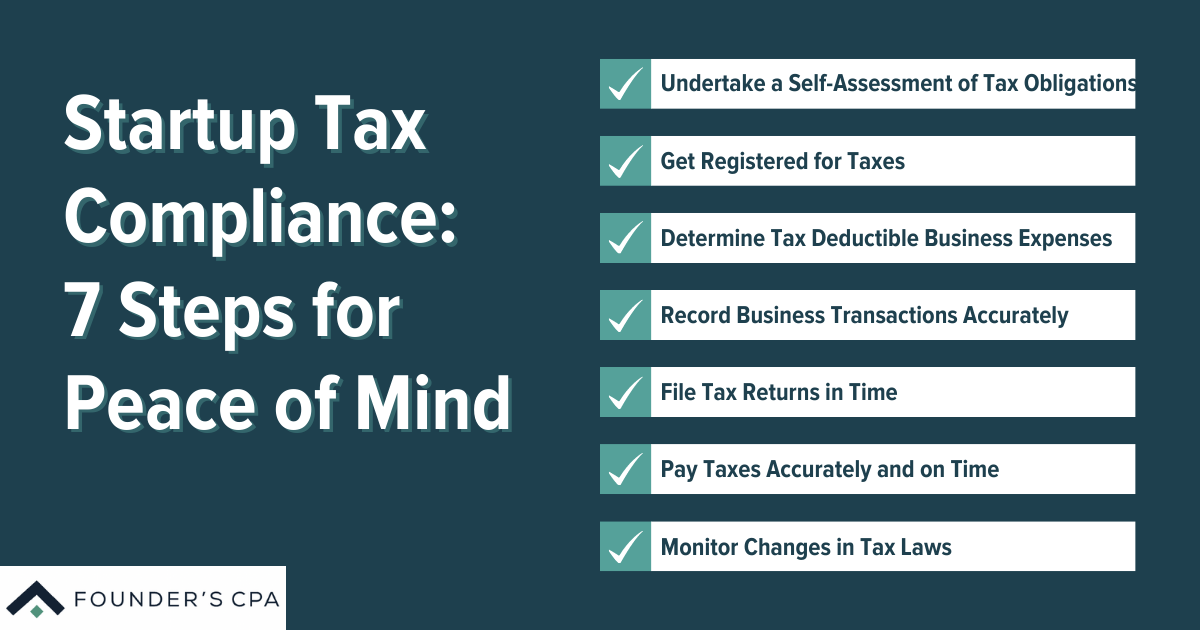
Starting a new business is both exciting and daunting. As an entrepreneur, you’re probably focusing on everything from market research to product development and customer acquisition. However, one crucial aspect that often gets overlooked is understanding your tax obligations. If you’re a startup founder, navigating the tax landscape can seem overwhelming. But don’t worry! In this comprehensive guide, we’ll break down essential tax tips that will help you understand and manage your tax responsibilities effectively.
Understanding Your Business Structure
Before diving into the nitty-gritty of taxes, it’s vital to choose the right business structure. Your entity type (like LLC, S-Corp, or C-Corp) influences your tax obligations significantly.
-
Sole Proprietorship: As a sole proprietor, you report your business income and expenses on your personal tax return. You’ll also be subject to self-employment taxes, which include Social Security and Medicare taxes.
-
Partnership: Partnerships also pass their income through to individual partners, who report it on their personal taxes. It’s crucial to keep accurate records of each partner’s share of profit or loss.
-
Limited Liability Company (LLC): An LLC can be treated as a sole proprietorship, partnership, or corporation for tax purposes. This flexibility allows you to choose the best tax strategy for your situation.
-
Corporation: Corporations are taxed separately from their owners. If you choose this structure, you might face double taxation — once on corporate profits and again when dividends are distributed to you as a shareholder.
The Importance of a Good Accountant
Hiring a tax professional or accountant who specializes in startups can save you time, money, and potential legal headaches. A knowledgeable accountant can help you choose the right structure, advise you on potential tax deductions, assist in accurate bookkeeping, and keep you compliant with state and federal tax laws.
Keep Accurate Records
One of the best ways to manage your tax obligations is to keep meticulous records. Documenting all your income and expenses not only helps you with tax preparation but also provides valuable insights into your business’s financial health.
What to Keep Track Of
-
Invoices: Keep copies of all invoices sent to clients. This helps validate your income when tax season rolls around.
-
Receipts: Store receipts for all business expenses, from office supplies to utility bills. You can use accounting software that allows you to scan and store these documents electronically.
-
Bank Statements: Regularly reconcile your bank statements to ensure that your records match your financial accounts.
-
Mileage Logs: If you use your vehicle for business purposes, maintain a log of your miles driven for work-related trips.
Using Accounting Software
Investing in reliable accounting software can simplify record-keeping. Tools like QuickBooks, FreshBooks, and Xero can automate bookkeeping tasks, manage cash flow, and generate financial reports to help you keep track of your expenses effortlessly.
Know Your Deductions
As a startup founder, there are numerous tax deductions that you may qualify for. Maximizing these deductions can significantly reduce your taxable income, leaving you with more cash flow to invest back into your business.
Common Business Deductions
-
Startup Costs: You can deduct certain expenses incurred before your business begins operations, like market research and legal fees.
-
Home Office Deduction: If you run your business from home, you may be able to deduct a portion of your rent or mortgage interest, utilities, and other home office expenses.
-
Equipment and Supplies: Costs for computers, printers, office supplies, and other equipment can be deducted as business expenses.
-
Travel Expenses: If your business requires travel, you can deduct expenses for transportation, lodging, meals, and other related costs.
-
Professional Services: Fees paid to accountants, lawyers, or other professionals for business-related services can be fully deductible.
Research and Development (R&D) Tax Credits
If your startup is involved in innovative research or development, you could qualify for R&D tax credits. Understanding these opportunities can help you retain more money to fund your growth. Consult your tax advisor to see if your activities might qualify.
Understanding State and Local Taxes
While federal taxes get most of the attention, don’t forget about state and local tax obligations. Depending on where your business is located, you may face different tax rates and requirements. Here are a few things to consider:
-
State Income Taxes: Some states impose income taxes on businesses. Ensure you understand your state’s tax structure and keep updated on any changes.
-
Sales Tax: If you sell goods or services, you may need to collect sales tax from customers and remit it to the state. Make sure you’re up-to-date on what sales tax applies to your jurisdiction.
-
Local Business Licenses/Fees: Many cities require businesses to obtain various licenses or permits. Research the requirements and ensure compliance to avoid fines.

- Overcome negative thought patterns, reduce stress, and live a worry-free life
- Overthinking is the biggest cause of unhappiness
- Don't get stuck in a never-ending thought loop
- Stay present and keep your mind off things that don't matter, and never will
- Break free of your self-imposed mental prison
Payroll Taxes for Employees
If you plan to hire employees as your startup grows, you’ll need to understand payroll taxes. These taxes are withheld from employee paychecks and are crucial for funding Social Security, Medicare, and unemployment insurance.
Employer Responsibilities
-
Withholding Taxes: As an employer, you must withhold federal income tax, Social Security, and Medicare taxes from your employees’ wages.
-
Employer Contributions: You are also responsible for paying employer contributions for Social Security, Medicare, and unemployment insurance.
Filing Payroll Taxes
Stay organized when dealing with payroll taxes. Keep accurate records of wages paid, tax withheld, and payment deadlines. Failure to comply can lead to penalties and interest charges. Use payroll software or services to simplify the process.
Estimated Tax Payments
As a founder, you likely won’t have taxes withheld from your income as you might in a traditional employee role. This means you need to make estimated tax payments throughout the year.
Understanding Estimated Taxes
-
Quarterly Payments: If you expect to owe at least $1,000 in taxes when you file your return, you may need to make estimated tax payments quarterly. These payments help avoid underpayment penalties.
-
Calculating Your Payments: Use IRS Form 1040-ES to calculate how much you need to pay each quarter based on your expected income and tax rate.
-
Keeping Track: Set reminders on your calendar to ensure you make these payments on time.
Be Aware of Tax Deadlines
Filing your taxes late can lead to significant penalties and interest charges. Familiarize yourself with key tax deadlines to keep your business in compliance:
-
Tax Returns: Corporation tax returns are typically due on the 15th day of the fourth month after the end of the tax year. For sole proprietors and partnerships, it’s usually April 15th.
-
Estimated Payments: These payments are generally due in April, June, September, and January of the following year.
-
Extension: If you can’t file your return on time, you may apply for an extension, but remember that an extension to file is not an extension to pay any taxes owed.
Staying Informed About Tax Law Changes
Tax laws are constantly evolving, and as a startup founder, it’s your responsibility to stay informed. Changes to tax legislation can impact your deductions, credits, and overall tax burden. Here are a few tips on staying updated:
-
Follow the IRS: Subscribe to IRS news releases and check their website for updates.
-
Join Entrepreneurial Groups: Networking with other entrepreneurs can be a valuable resource. They’ll often share insights and experiences regarding tax law changes.
-
Consult a Tax Professional Regularly: Regular consultations with your accountant can keep you informed about how changes in the law affect your business.
Conclusion
Navigating the world of taxes can be daunting, but as a startup founder, understanding your tax obligations is crucial. By establishing the right business structure, keeping accurate records, and being mindful of deductions, you can minimize your tax burden and focus on what matters most — growing your business.
Whether you’re just starting your entrepreneurial journey or are gearing up for expansion, always consult with a tax professional to ensure you remain compliant and take full advantage of tax opportunities available to you. Remember, informed entrepreneurs are empowered entrepreneurs. Take the time to understand your tax responsibilities, and you’ll set yourself up for long-term success. Safe travels on your entrepreneurial journey!


