
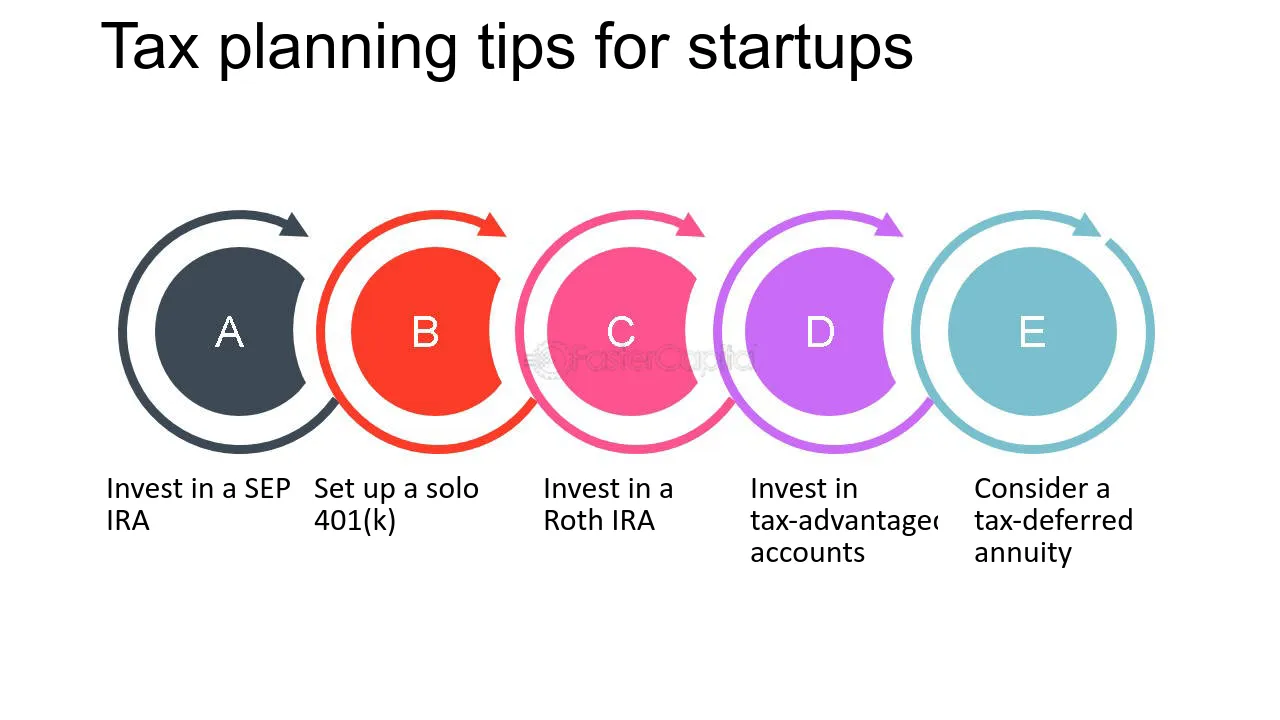
Starting a new business is an exhilarating journey filled with dreams of growth, innovation, and success. However, along with the excitement comes a plethora of responsibilities, particularly in understanding tax obligations. Navigating the complex landscape of taxes is crucial for startups to avoid pitfalls that could derail their budding ventures. In this article, we will dissect essential tax tips for startups in their early stages, equipping you with the knowledge you need to establish a solid foundation for your business.
Understanding the Importance of Tax Planning
Tax planning is not just about fulfilling legal obligations; it’s about strategic financial management. Effective tax planning can help startups save money, ensure compliance, and create a roadmap for future growth. Here are some reasons why tax planning is vital:
- Minimize Tax Liability: By understanding available deductions and credits, startups can reduce their taxable income.
- Cash Flow Management: Knowing when taxes are due can help startups manage their cash flow more efficiently.
- Future Planning: Good tax practices can set the stage for future funding rounds and business expansion.
Choosing the Right Business Structure
One of the first decisions every startup must make is choosing a suitable business structure. Your choice will significantly affect your tax obligations. Here are the most common structures:
-
Sole Proprietorship: This is the simplest structure where you report business income on your personal tax return. However, it does not provide personal liability protection.
-
Partnership: Similar to sole proprietorships, but involves two or more people. Income is passed through to personal returns, and partners share liability.
-
Limited Liability Company (LLC): This hybrid structure offers personal liability protection and flexible tax options, allowing members to choose between being taxed as a sole proprietor, partnership, or corporation.
-
Corporation (C Corp & S Corp): Corporations offer liability protection but are subject to double taxation (for C Corps) unless you elect S Corp status, which allows for pass-through taxation.
When deciding, consider not just your current situation but also your future plans—especially your goal for growth and exit strategy.
Keep Accurate Records
Accurate bookkeeping is the backbone of effective tax management. Here are some tips to maintain your records:
-
Use Accounting Software: Platforms like QuickBooks or FreshBooks can simplify tracking income and expenses.
-
Organize Your Receipts: Keep digital or paper copies of all receipts. Consider using apps to scan and categorize them automatically.
-
Track Business vs. Personal Expenses: Clearly differentiate between business-related expenses and personal ones to avoid audit triggers.
-
Regular Reconciliation: Perform monthly reconciliations of your bank statements with your accounting records to ensure accuracy.
By maintaining organized records from the beginning, you’ll make tax season far less stressful.
Familiarize Yourself with Deductions
One of the most significant advantages for startups is the ability to deduct various expenses from their taxable income. Here’s a non-exhaustive list of common deductions:
-
Startup Costs: The IRS allows businesses to deduct up to $5,000 of startup costs in the first year, with the possibility of amortizing the balance over 15 years if costs exceed $50,000.
-
Home Office Deduction: If you work from home, you can deduct a portion of your home expenses, provided the space is used exclusively and regularly for business.
-
Travel and Meals: Business-related travel, meals, and entertainment can often be deducted. Be sure to keep detailed records for each trip, including receipts and the purpose of the trip.
-
Equipment and Supplies: Items such as computers, software, and office supplies can be deductible, either as expenses or through depreciation.
-
Professional Services: Fees paid for legal, accounting, or consulting services related to your business are generally deductible.
Understanding what deductions are available can substantially reduce your tax burden, allowing you to reinvest more into your startup.
Meet Your Taxation Deadlines
Missing tax deadlines can lead to penalties and interest that add unnecessary strain to your startup’s finances. Here are key deadlines to be aware of:
-
Quarterly Estimated Taxes: As a self-employed individual or business owner, you might need to pay estimated taxes quarterly. The deadlines typically fall in April, June, September, and January.
-
Annual Tax Return: Depending on your business structure, the due date for your annual tax return may vary. Ensure you know the specific dates for your business type.
-
Payroll Taxes: If you have employees, you must file payroll taxes and send out W-2 forms by specific deadlines each year.
Utilizing a calendar or reminder system can help keep you on track with your payment schedules. Consider working with a tax professional to ensure you’re not missing anything.

- Overcome negative thought patterns, reduce stress, and live a worry-free life
- Overthinking is the biggest cause of unhappiness
- Don't get stuck in a never-ending thought loop
- Stay present and keep your mind off things that don't matter, and never will
- Break free of your self-imposed mental prison
Understand Sales Tax Requirements
Depending on your state and industry, your startup might be required to collect sales tax on products or services sold. Learn the following:
-
Nexus: This is the connection between your business and a state that triggers the requirement to collect sales tax. It usually depends on physical presence, though economic nexus may apply in certain states based on sales volume.
-
Registration: If required to collect sales tax in your state, ensure you are properly registered and comply with reporting requirements.
-
Exemptions: Familiarize yourself with what items or services may be exempt from sales tax in your state, which can help you frame your pricing strategy.
-
Remittance: Sales tax must be remitted to the state by a specific deadline. Keep on top of these schedules to avoid penalties.
By staying informed about sales tax obligations, you can prevent costly mistakes that could impact your startup’s finances.
Consider Hiring a Tax Professional
Navigating taxes, especially for a startup, can be overwhelming. Here are some reasons why hiring a tax professional can be beneficial:
-
Expertise: Tax professionals have the knowledge and experience to help you maximize deductions, minimize liabilities, and ensure compliance.
-
Time-Saving: Outsourcing your tax preparation allows you to focus on your core business activities rather than getting bogged down in paperwork.
-
Audit Protection: Professionals can prepare you for an audit by ensuring that all necessary documentation is in order and can represent you if needed.
-
Strategic Planning: A tax expert can help develop long-term tax strategies that align with your startup’s growth goals.
While it may seem like an added expense, the potential savings and peace of mind can significantly outweigh the cost.
Keep Up with Tax Law Changes
Tax laws can change frequently, which may impact your startup’s obligations and opportunities. Here are ways to stay informed:
-
Subscribe to Newsletters: Many financial and tax-related organizations offer newsletters that provide updates on changes in tax laws.
-
Attend Workshops: Look for local workshops or webinars focusing on tax laws for small businesses and startups.
-
Utilize IRS Resources: The IRS offers various resources specifically aimed at small businesses. Stay informed about tax regulation changes through their website.
-
Join Business Networks: Networking with other entrepreneurs can provide insights into common tax issues faced by startups.
Staying updated allows your startup to be agile and responsive to any new tax obligations or opportunities that may arise.
Conclusion
In the world of startups, tax management is not merely a compliance requirement but a strategic component that can significantly affect your bottom line. By understanding your business structure, maintaining accurate records, maximizing deductions, and staying informed on tax laws, you create a fertile environment for growth and success. Moreover, consider seeking professional assistance to navigate the complex tax landscape effectively.
As you embark on your entrepreneurial journey, keep these tax tips in mind to help ensure your startup flourishes in its early stages and beyond. Understanding and managing your taxes now will lay a solid groundwork for future prosperity, allowing your startup to thrive in today’s competitive business environment.
Armed with this knowledge, you are now equipped to tackle the intricacies of taxes for your startup. Embrace the journey with confidence, knowing that informed decisions today will lead to a successful tomorrow.


