
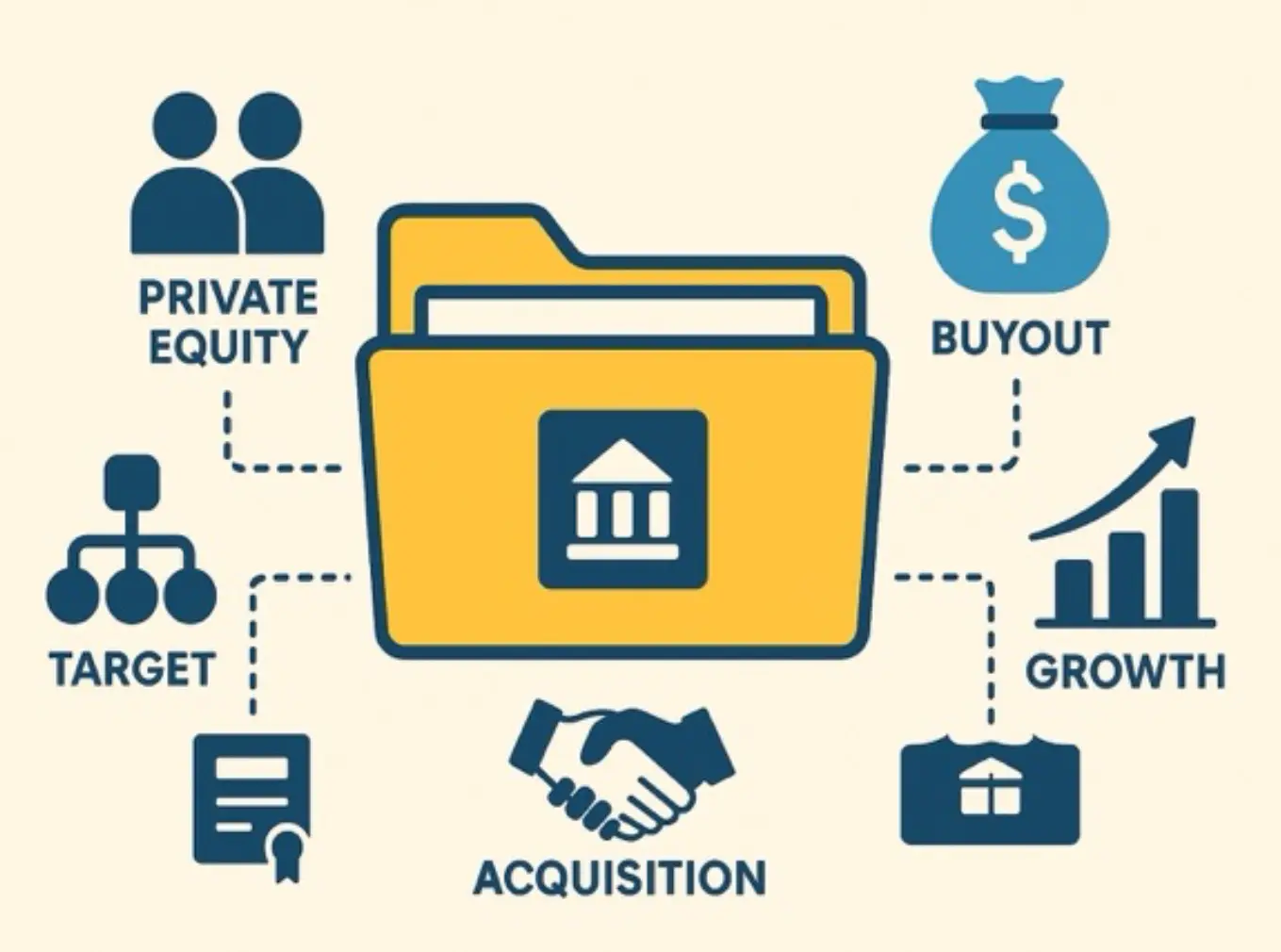
A tender offer, known internationally as an offerta pubblica di acquisto (OPA), is a formal proposal to buy shares of a company—usually at a premium—directly from shareholders. In the United States, tender offers are tightly regulated by the Securities and Exchange Commission (SEC) and remain a central mechanism in mergers, acquisitions, and corporate restructuring.
In 2025, with liquidity high and corporate cash balances near record levels, U.S. firms are increasingly using tender offers to consolidate industries, defend against hostile bids, and optimize shareholder value.
When a company wants control fast, it doesn’t wait for the market—it makes a tender offer.
Key Insights
- A tender offer is a direct proposal to purchase shares, usually above market price.
- It allows acquiring control of a target company without lengthy negotiations.
- The SEC’s Regulation 14D governs timing, disclosure, and shareholder protection.
- Investors must evaluate premium, financing, and intent to assess fairness.
- The rise of private equity in 2025 has revived large-scale tender activity.
What Is a Tender Offer?
A tender offer occurs when an acquiring company—or private investor—proposes to buy part or all of another firm’s shares at a fixed price, typically 15–40% above market value, within a specified timeframe.
Shareholders can “tender” (sell) their shares voluntarily. If enough accept, the buyer gains control or full ownership of the target.
Tender offers bypass management negotiations, allowing buyers to appeal directly to shareholders—a feature that made them famous during the 1980s corporate takeover wave.
How the Process Works
- Announcement and Filing: The acquirer publicly declares the offer and files detailed documents with the SEC.
- Offer Period: Must remain open for at least 20 business days, during which investors can tender shares.
- Conditions: The buyer specifies minimum acceptance levels, financing sources, and expiration terms.
- Settlement: If successful, tendered shares transfer to the acquirer; if not, they are returned.
The SEC enforces full disclosure of funding, ownership structure, and future plans for the target company.
Hostile vs. Friendly Tender Offers
| Type | Description | Example |
|---|---|---|
| Friendly Offer | Approved by target management | Microsoft’s 2022 acquisition of Activision Blizzard |
| Hostile Offer | Opposed by management; goes directly to shareholders | Oracle’s 2003 bid for PeopleSoft |
| Partial Offer | Buyer seeks only a portion of shares | Private equity recapitalizations |
In a hostile offer, the acquirer may simultaneously launch a proxy contest to replace the target’s board.
The Williams Act (1968) and SEC Regulation 14D are the legal backbone of U.S. tender offers. They require:
- Disclosure of intentions and financing.
- Equal treatment for all shareholders.
- Withdrawal rights during the offer period.
- Prompt payment once conditions are met.
The Federal Reserve’s Financial Stability Overview highlights that transparent takeover rules have strengthened investor confidence and reduced systemic disruption from aggressive M&A activity.
Why Companies Use Tender Offers
Tender offers serve multiple strategic purposes:
- Acquisition of control: Buying a majority stake quickly.
- Stock buybacks: Repurchasing shares to reduce float and boost EPS.
- Defensive strategy: Preventing unwanted takeovers by friendly consolidation.
- Going private: Used by management to delist undervalued companies.
Buybacks are a recurring trend. As explained in Share Buybacks Explained: Why U.S. Companies Repurchase Their Own Stock in 2025, corporations often launch self-tender offers to return cash to shareholders efficiently.
Premiums and Valuation
Tender offers almost always involve a premium over market price to attract participation.
For example, if a stock trades at $50, an offer at $65 (30% premium) may compel shareholders to sell.
However, investors should analyze whether the offer undervalues long-term potential. Metrics such as the P/E ratio, detailed in Understanding the P/E Ratio: How U.S. Investors Use Price-to-Earnings to Value Stocks in 2025, help evaluate whether the offer price reflects fair value or opportunistic timing.
Financing and Leverage
Tender offers are typically financed through:
- Cash reserves (common for cash-rich tech firms).
- Debt issuance (used in leveraged buyouts).
- Equity swaps (share-for-share offers).
The FDIC’s Quarterly Banking Profile reports that leveraged tender activity grew 11% in 2024, driven by private equity firms exploiting low borrowing spreads despite higher base rates.
Excessive leverage, however, raises risk for bondholders and shareholders alike—a relationship explored in Subordinated Bonds Explained: Yield and Risk for U.S. Investors in 2025.
Tender Offers vs. Open-Market Purchases
| Method | Speed | Disclosure | Impact on Price |
|---|---|---|---|
| Tender Offer | Fast, direct | Fully disclosed | Immediate premium |
| Open-Market Purchase | Gradual | Limited disclosure | Gradual appreciation |
| Private Negotiation | Slow | Confidential | Limited market effect |
Tender offers send strong market signals because they require full transparency under SEC rules.
Case Study: Tech Consolidation 2025
In early 2025, Broadcom launched a $38 billion tender offer for Marvell Technology, seeking to consolidate semiconductor IP assets. The offer included a 28% premium and mixed cash-stock consideration.
The deal, approved by the SEC in March, triggered a wave of similar moves as competitors sought scale before AI infrastructure subsidies kicked in.
Morningstar’s U.S. Technology Outlook concluded that the transaction demonstrated how tender offers can drive strategic value creation when synergy potential outweighs acquisition cost.
Shareholders who tender shares usually realize capital gains or losses based on sale price minus cost basis.
In the U.S.:
- Gains held longer than one year are taxed at long-term capital gains rates.
- Short-term sales are taxed as ordinary income.
Investors should consult the IRS Publication 550 to verify treatment of tender proceeds and reinvestment options.
Risks and Considerations
- Offer withdrawal: Acquirer can cancel if minimum acceptance not met.
- Regulatory delay: Antitrust or SEC review can freeze proceeds.
- Undervaluation: Shareholders might sell before full value realization.
- Dilution: In partial offers, remaining shares can lose voting influence.
As covered in Understanding the Beta Coefficient: How U.S. Investors Measure Market Risk and Volatility, tender-related volatility often spikes short-term beta readings across target-sector ETFs.
The Outlook for 2025
Analysts expect continued activity as companies consolidate balance sheets post-2022 inflation cycle. The Federal Reserve’s stable-rate environment and renewed private equity appetite suggest tender offers will remain a primary M&A channel, especially in technology, healthcare, and renewable infrastructure.
Morningstar’s midyear corporate finance report notes that over $220 billion in tender transactions were announced in Q1 2025 alone—the highest since 2018.
Conclusion
Tender offers represent the purest form of corporate capitalism: cash, control, and confidence.
They can reward shareholders with rapid premiums or strip public investors of undervalued stakes—depending on timing and intent.
“In takeovers, as in markets, the first mover pays the premium; the second reaps the value.”
Understanding the structure, valuation, and regulatory safeguards behind U.S. tender offers helps investors separate strategic opportunity from speculative noise.
Disclaimer:
The information in this article is for educational and informational purposes only and does not constitute financial advice. Always consult a qualified financial advisor before making investment decisions. Past performance is not indicative of future results, and all investments carry risk. TheMarketCapitalist.com assumes no responsibility for losses resulting from use of this information.


