
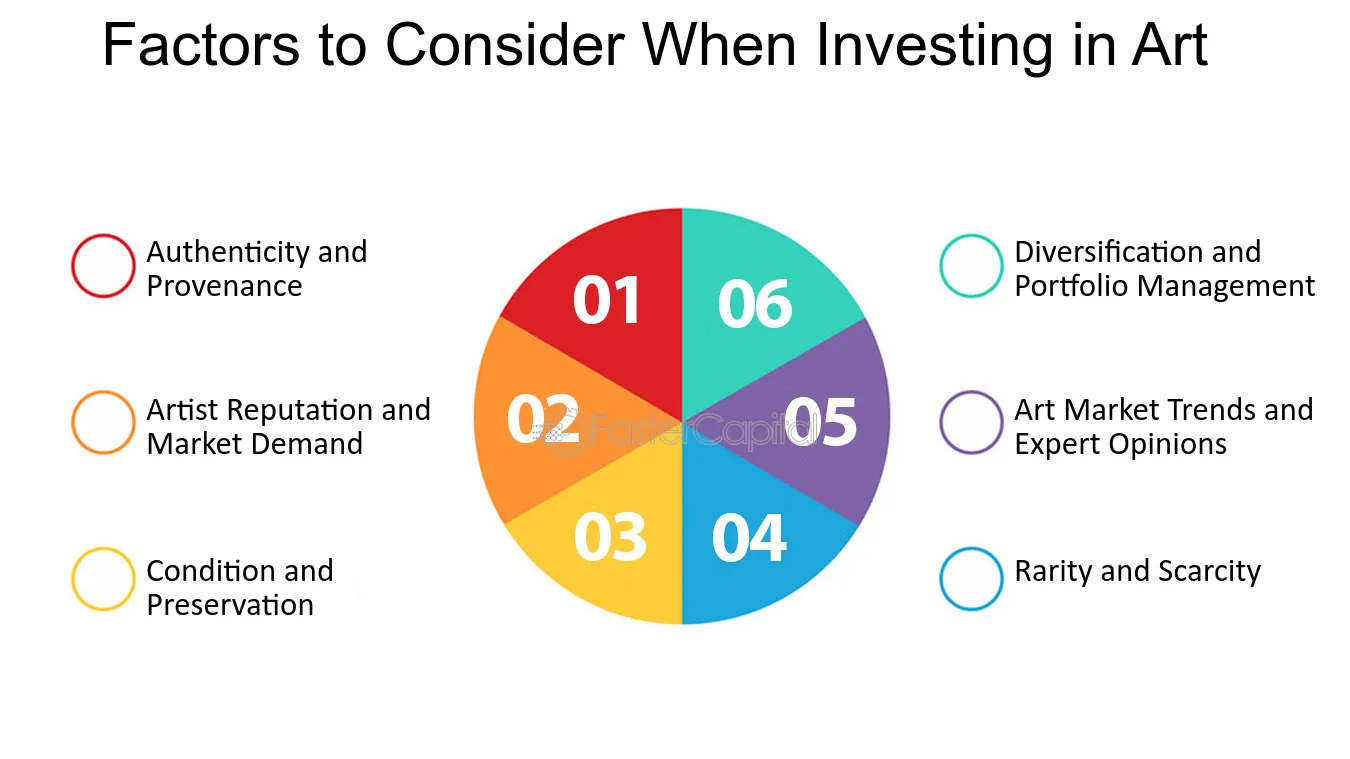
In an ever-changing economic landscape, where traditional investments like stocks and bonds fluctuate dramatically, many investors are looking for alternative ways to safeguard their wealth. One of the most intriguing and increasingly popular forms of investment is fine art. With its ability to appreciate over time and provide aesthetic enjoyment, art has emerged as a viable asset class. In this article, we’ll delve into the myriad benefits of investing in fine art for wealth preservation and explore whether this investment avenue is as lucrative as it sounds.
Understanding Fine Art as an Investment
Fine art encompasses a wide range of visual art forms, including paintings, sculptures, photography, and mixed media. Investing in art isn’t just about purchasing a beautiful piece to hang on your wall; it’s about acquiring a tangible asset that can appreciate in value over time. Unlike more traditional investments that are subject to market volatility, fine art can often provide greater resilience against economic downturns.
The Historical Performance of Art as an Investment
Art has a long and storied history as a form of investment. Over the last few decades, the art market has seen a significant surge in prices. According to the Artprice Global Index, the global art market has experienced substantial growth since the early 2000s, showing an average annual growth rate of about 8% per year. This data suggests that, historically, fine art can indeed be a strong wealth-preserving investment, especially when compared to traditional financial assets.
Why Art Makes an Excellent Investment
1. Tangible Asset
One of the most compelling reasons to invest in fine art is that it represents a tangible asset. Unlike stocks or bonds, you can hang a painting on your wall or display a sculpture in your garden. This tangibility provides intrinsic value, which can be comforting in uncertain economic times. While other investments may lose value based on market conditions, artworks can often retain their worth due to their uniqueness and the emotional value they generate.
2. Diversification of Portfolio
Investing in fine art can significantly diversify your investment portfolio. Diversification is crucial in mitigating risk; by spreading your investments across various asset classes, you can reduce the impact of a downturn in any one sector. Including fine art in your portfolio can provide a counterbalance to the volatility often seen in the stock market or real estate. When traditional assets perform poorly, art may continue to appreciate, offering a hedge against loss.
3. Low Correlation to Traditional Markets
Art tends to have a low correlation to traditional markets, meaning its value is less likely to be influenced by economic downturns or shifts in investor sentiment. This quality makes fine art an attractive addition to the portfolios of investors seeking stability. During recessionary periods when stocks and bonds may falter, well-chosen pieces of art can retain or even increase in value, preserving wealth when it is most crucial.
4. Aesthetic and Emotional Value
Investing in fine art has benefits beyond pure financial value. The aesthetic pleasure and emotional connection you develop with a piece can transcend its monetary worth. Art can spark joy, inspire creativity, and become a source of pride. This personal enjoyment adds another layer of value to your investment, making art a multifaceted asset that enriches your life while preserving your wealth.
5. Limited Supply and Increasing Demand
Fine art is inherently limited in supply. Major works by renowned artists are often unique or produced in small quantities, which can drive up their value, particularly as demand increases. As more individuals seek to invest in art, the allure of owning pieces by celebrated artists continues to grow. This dynamic can make investing in fine art an increasingly lucrative opportunity.
6. Legacy and Cultural Capital
Investing in art can also allow you to build a legacy. Art collections can be passed down through generations, creating a sense of heritage and fostering connections between family members. Furthermore, art ownership can enhance your cultural capital, opening doors to exclusive events, exhibitions, and a network of fellow collectors and enthusiasts.
7. Tax Benefits
Depending on where you live, there can be potential tax advantages associated with investing in fine art. In the United States, for example, collectors can benefit from capital gains tax exemptions under certain conditions, especially if they donate pieces to museums or charitable organizations. Additionally, investing in art can ship some capital out of the estate, which can be advantageous for preserving family wealth across generations.

- Overcome negative thought patterns, reduce stress, and live a worry-free life
- Overthinking is the biggest cause of unhappiness
- Don't get stuck in a never-ending thought loop
- Stay present and keep your mind off things that don't matter, and never will
- Break free of your self-imposed mental prison
Choosing the Right Art to Invest In
Focus on Quality Over Quantity
When investing in fine art, it’s essential to focus on quality rather than quantity. With a vast array of artists and styles available, it might be tempting to acquire multiple pieces without thoroughly understanding their value. Instead, educate yourself and look for masterpieces or works by recognized artists with a proven track record of appreciation. Typically, the more recognizable the name and the higher the demand, the more likely the artwork will appreciate over time.
Research Art Market Trends
Just like with stocks, it’s crucial to stay informed about trends in the art market. Take time to research auction results, gallery exhibitions, and emerging artists. Follow reputable art publications and consider joining art forums or communities of collectors. These resources can provide invaluable insights into what’s currently trending and what might become valuable in the future.
Work with Professionals
If you’re new to art investing, don’t hesitate to consult with professionals in the field. Art advisors, appraisers, and curators can offer valuable guidance in navigating the market. They can help you identify promising artists, evaluate the authenticity and condition of pieces, and suggest suitable galleries where you can purchase art.
Potential Risks to Consider
While investing in fine art can be rewarding, it’s not without its risks. The art market can be unpredictable, and prices can fluctuate based on various factors, including market trends and shifts in cultural interest. Additionally, the rising popularity of art as an investment avenue has increased the likelihood of fakes and forgeries entering the market. Therefore, it’s vital to ensure you’re working with reputable sellers and to have any prospective purchases appraised by a qualified expert.
A Step-By-Step Guide to Investing in Fine Art
-
Set a Budget: Start by determining how much you’re willing to invest. Fine art can range from affordable pieces by emerging artists to multi-million dollar masterpieces, so clarify your financial parameters.
-
Educate Yourself: Take time to learn about different styles, artists, and the art market landscape. Consider visiting exhibitions, reading art publications, and attending lectures.
-
Attend Auctions and Galleries: Immerse yourself in the art scene by attending local galleries and auction houses. This exposure increases your understanding of market demand and helps identify work you connect with.
-
Network with Collectors and Experts: Build relationships with other art collectors and experts. Their experiences and insights can prove invaluable as you navigate your investment journey.
-
Make Informed Purchases: When you identify a piece you are interested in, research its history, provenance, and any other relevant details before making a purchase.
-
Maintain Documentation: Keep thorough records of your purchases, including receipts, appraisals, and any exhibition history. This documentation will be helpful for future sales or donations.
-
Consider Insurance: Protect your investment by insuring your art collection. A proper insurance policy ensures you are covered in case of damage, loss, or theft.
-
Review and Reassess: Periodically review your art investments and have them appraised to understand their current market value. This assessment can guide future investment decisions.
Conclusion: Is Investing in Fine Art Worth It?
In conclusion, the benefits of investing in fine art for wealth preservation are considerable. Its capacity for appreciation, low correlation with traditional markets, and the intrinsic enjoyment it can bring make it an appealing option for those looking to secure their financial future. As with any investment, careful research and consideration are paramount. While there are risks involved, savvy investors who treat art as a serious asset can find unparalleled rewards, both financially and personally.
So, is investing in fine art worth it? If you’re willing to dedicate the necessary time to understanding the market and making informed choices, fine art can be a powerful avenue for preserving and enhancing your wealth while enriching your life in countless ways. Take the plunge into this captivating world, and you might discover more than just financial benefits—you may also find a profound passion for creativity and culture that lasts a lifetime.


