
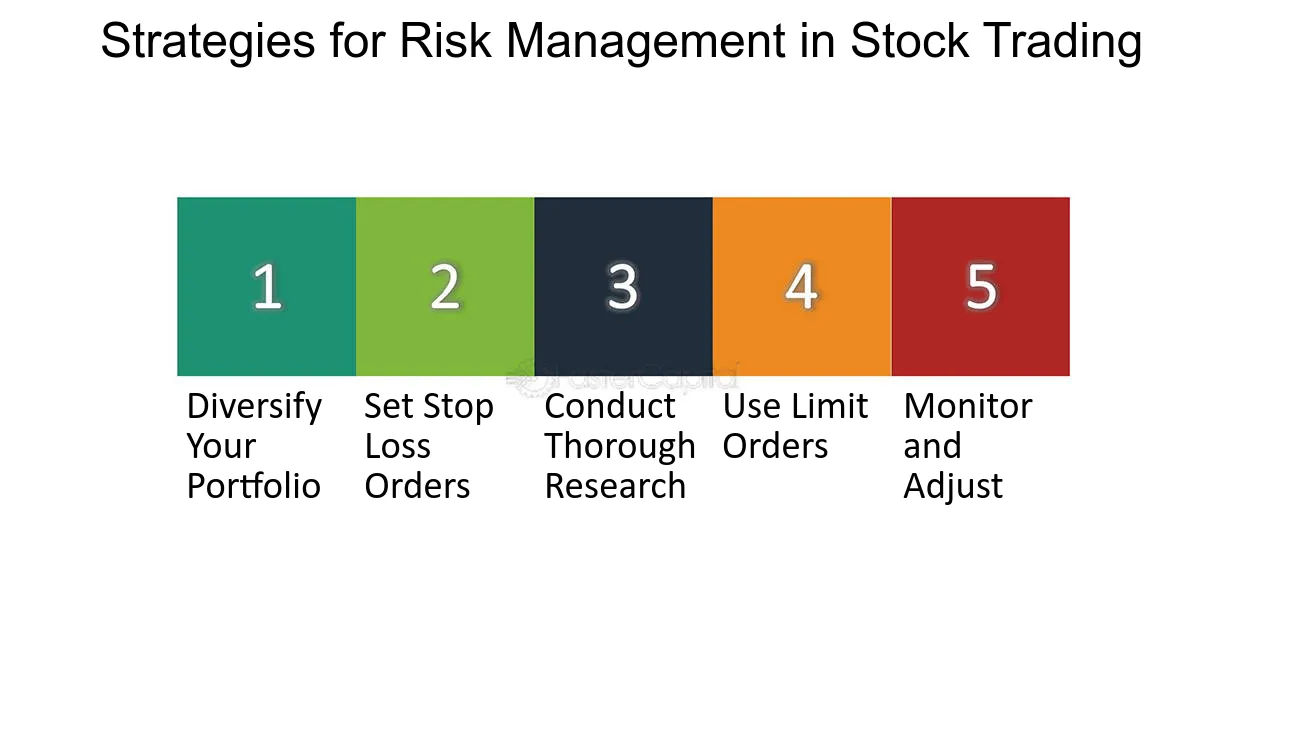
Navigating the complexities of the stock market can be a daunting task for both seasoned investors and newbies alike. While the potential for high returns can lure many into trading stocks, it is essential to understand that the market comes with its fair share of risks. But how can investors effectively manage these risks? In this guide, we’ll explore the best risk management strategies for stock market investors, ensuring that you can invest wisely while minimizing your exposure to potential losses.
Understanding Risk in the Stock Market
Before diving into specific strategies, it’s crucial to understand the types of risks associated with stock market investing. Key risks include:
-
Market Risk: The risk of losses due to market fluctuations. The overall market can drop, affecting all stocks.
-
Liquidity Risk: The risk of not being able to buy or sell an investment quickly enough to prevent or minimize losses.
-
Credit Risk: The risk that a company may default on its obligations, resulting in losses for investors.
-
Concentration Risk: The risk of being overly invested in a single asset or sector, which can exacerbate losses.
The Importance of Risk Management
Effective risk management strategies can help investors weather the ups and downs of the market while safeguarding their investments. By planning ahead and employing risk management techniques, investors can avoid panic selling during market downturns and maintain a steady investment approach.
Let’s explore some of the best risk management strategies that can make a significant difference in your investing journey.
1. Diversification: The Golden Rule
One of the most effective ways to manage risk in the stock market is through diversification. This strategy involves spreading your investments across various asset classes, sectors, and geographical regions. The key benefits of diversification include:
-
Reducing Volatility: When one stock or sector is down, others may be up, balancing out your overall portfolio.
-
Minimizing Losses: If one investment performs poorly, a diversified portfolio can help cushion the blow, reducing the impact on your finances.
How to Diversify Your Portfolio
-
Invest in Different Sectors: Consider investing in technology, healthcare, consumer goods, energy, and more to minimize concentration risk.
-
Geographical Diversification: Don’t limit your investments to domestic companies. International stocks can provide exposure to different economies and market conditions.
-
Asset Class Diversification: Including bonds, real estate, and commodities in your portfolio can help cushion against stock market volatility.
2. Set Clear Investment Goals
Establishing clear investment goals is vital for effective risk management. Whether you’re saving for retirement, a vacation, or a down payment on a home, your investment strategy should align with your long-term objectives.
Creating SMART Goals
-
Specific: Clearly define what you want to achieve, such as a certain amount of savings or a particular investment return.
-
Measurable: Quantify your goals. For example, “I want to save $100,000 for retirement in 20 years.”
-
Achievable: Set realistic goals based on your financial situation and market predictions.
-
Relevant: Ensure your goals align with your overall financial plan.
-
Time-Bound: Set deadlines for your goals, such as “I will reach this amount by 2040.”
3. Use Stop-Loss Orders
Stop-loss orders are a critical risk management tool that allows investors to control losses on their investments. By setting a predetermined price at which you will sell a stock, you can minimize losses during market downturns or adverse price movements.
How to Implement Stop-Loss Orders
-
Determine Your Risk Tolerance: Decide how much loss you can tolerate before selling. Common thresholds include 5%, 10%, or 20% below your purchase price.
-
Regularly Review Your Stop-Loss Orders: As your investments grow, adjust your stop-loss orders accordingly to protect your gains.
4. Stay Informed and Do Your Research
Knowledge is power in the investment world. Staying informed about market trends, economic indicators, and company performance helps you make sound investment decisions.
Ways to Stay Informed
-
Follow Financial News: Regularly read reputable financial news sources, such as Bloomberg, CNBC, or The Wall Street Journal.
-
Use Stock Analysis Tools: Utilize investment research platforms and tools to analyze stocks and keep track of market movements.
-
Join Investment Communities: Engaging with other investors in forums or social media groups can provide valuable insights and fresh perspectives.

- Overcome negative thought patterns, reduce stress, and live a worry-free life
- Overthinking is the biggest cause of unhappiness
- Don't get stuck in a never-ending thought loop
- Stay present and keep your mind off things that don't matter, and never will
- Break free of your self-imposed mental prison
5. Rebalance Your Portfolio Regularly
Over time, some investments may perform better than others, causing your asset allocation to shift. Regularly rebalancing your portfolio helps ensure that your investments remain aligned with your risk tolerance and investment goals.
How to Rebalance Your Portfolio
-
Set a Schedule: Consider rebalancing your portfolio on a quarterly or yearly basis.
-
Assess Performance: Evaluate which investments have performed well and which have not, making adjustments accordingly.
-
Stick to Your Asset Allocation Strategy: Ensure your portfolio remains within your target asset allocation to avoid increased risk exposure.
6. Consider Dollar-Cost Averaging
Dollar-cost averaging is a strategy where you invest a fixed amount of money at regular intervals, regardless of market conditions. This method can help mitigate the impact of market volatility on your investments.
Benefits of Dollar-Cost Averaging
-
Reduces Emotional Decision-Making: By investing consistently, you’ll be less prone to reacting emotionally to market fluctuations.
-
Takes Advantage of Market Dips: When prices drop, your fixed investment will buy more shares, potentially lowering your average cost.
7. Utilize Financial Tools and Software
In today’s digital age, there are various tools and software available that can assist investors in managing risk. From tracking portfolio performance to providing insights on market trends, these resources can be invaluable.
Recommended Financial Tools
-
Investment Trackers: Tools like Personal Capital or Mint can help you keep track of your investments and net worth.
-
Portfolio Management Software: Programs such as Morningstar or SigFig provide analysis of your holding and suggest rebalancing options.
8. Limit the Use of Margin
Margin trading allows investors to borrow money from their brokerage to invest larger amounts than they can with their cash alone. While this can amplify returns, it also greatly increases risk. Therefore, it is essential to limit the use of margin in your investment strategy.
Why Limit Margin Use?
-
Increased Volatility: Margin can amplify losses as much as it can amplify gains, which can lead to significant financial setbacks.
-
Margin Calls: If your investments decline significantly, you may face margin calls, requiring you to deposit more funds or liquidate assets.
9. Maintain an Emergency Fund
Before investing in the stock market, ensure that you have a robust emergency fund in place. This fund should cover at least three to six months of living expenses, allowing you to weather financial uncertainties without needing to liquidate your investments.
Benefits of an Emergency Fund
-
Financial Security: Having a cushion means you won’t need to access your investments in a market downturn.
-
Peace of Mind: Knowing you have savings to fall back on allows you to invest with greater confidence.
10. Seek Professional Advice
If you’re new to investing or find it challenging to manage your portfolio, consider seeking help from a financial advisor. A professional can provide personalized guidance tailored to your financial situation and risk tolerance.
Choosing the Right Advisor
-
Look for Credentials: Seek advisors with certifications like CFP (Certified Financial Planner) or CFA (Chartered Financial Analyst).
-
Ask for References: Get recommendations from trusted friends or family.
-
Understand Fees: Be clear about how financial advisors charge, whether through commissions, fees, or a combination.
Conclusion
Effective risk management is an essential aspect of successful stock market investing. By employing these strategies—diversifying your portfolio, setting clear investment goals, using stop-loss orders, and regularly rebalancing—you can safeguard your investments and navigate the uncertainties of the market with confidence.
Investing in the stock market doesn’t have to be a gamble. With the right tactics and mindset, you can minimize risks while maximizing your potential for growth. Remember, the key to successful investing is not just about high returns; it’s about managing the myriad of risks that exist. Embrace these strategies, stay informed, and make investing a rewarding and enriching experience.
Happy investing!


