
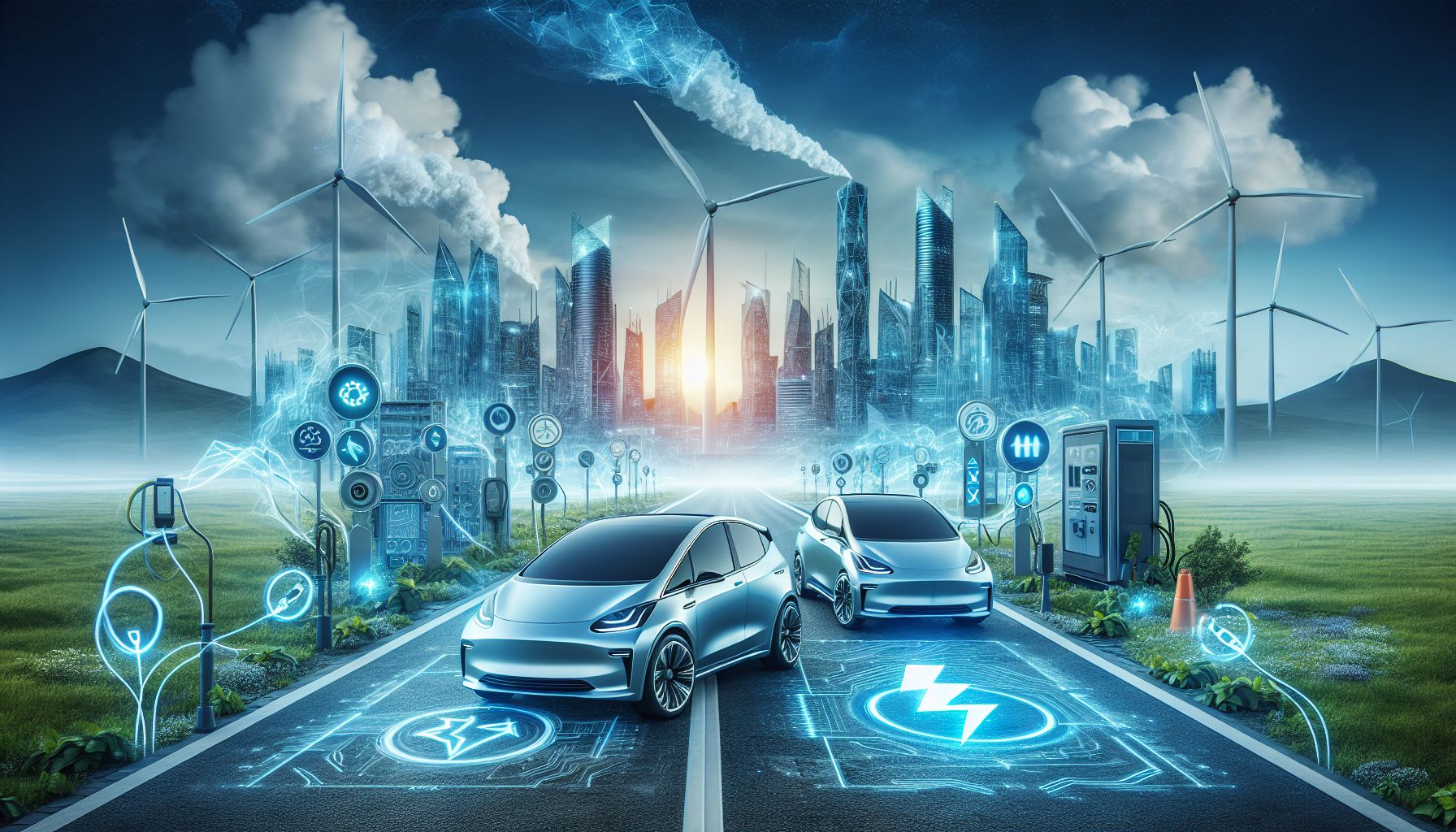
The automotive landscape is on the brink of a monumental transformation, fueled by advancements in technology, shifting consumer preferences, and an urgent need for sustainability. As we look ahead, the question arises: What does the future hold for electric vehicles (EVs)? With the growing interest in reducing carbon footprints and the development of clean energy technologies, the trajectory of the EV market is both exciting and essential for our planet’s health.
The Global Push for Electric Vehicles
Various factors are rapidly accelerating the adoption of electric vehicles across the globe. First and foremost is the increasing awareness of climate change and the need to curb greenhouse gas emissions. Governments worldwide are setting ambitious targets to reduce reliance on fossil fuels, with many envisioning a future where gasoline and diesel vehicles are phased out entirely.
In the United States, for instance, several states are taking the lead in implementing regulations to boost EV adoption. California has been at the forefront, aiming for over half of new vehicle sales to be zero-emission by 2035. Similarly, New York and Washington have introduced their own initiatives, spurring investment in electric infrastructure and promoting consumer incentives.
Towards a Sustainable Future: The Role of Technology
The technological advancements shaping the future of electric vehicles are nothing short of revolutionary. Battery technology, in particular, plays a critical role in determining the efficiency, range, and overall viability of EVs. Currently dominated by lithium-ion batteries, researchers are exploring alternatives that promise greater energy density and faster charging capabilities.
Solid-state batteries, which use a solid electrolyte instead of liquid, hold significant promise. They are lighter, safer, and can offer longer ranges compared to traditional batteries. Major automakers and startups alike are devoting resources to research and development, hoping to bring this technology to the market in the coming years.
Moreover, the expansion of charging infrastructure is vital for widespread EV adoption. Efforts are underway to increase the number of fast-charging stations across urban areas and along highways. Companies like ChargePoint and Electrify America are investing heavily in networks that allow drivers to refuel in as little as 30 minutes, making long-distance travel in electric vehicles more feasible than ever.
Consumer Adoption and Changing Attitudes
As the automotive industry pivots to electrification, consumer attitudes are evolving as well. A growing number of people are considering electric vehicles as practical options for their daily commutes. In recent surveys, consumers have expressed interest in the economic benefits of EVs, such as lower operating costs and government incentives.
The cost of electric vehicles is also expected to see dramatic changes in the coming years. Although many EVs remain priced higher than their internal combustion engine counterparts, prices are projected to decrease significantly as manufacturers ramp up production and economies of scale take effect. Analysts predict that by the middle of the decade, electric vehicles could be priced competitively with traditional vehicles, further enhancing their appeal.
The Adventure of Driving Electric
For the travel enthusiast, electric vehicles can change the way we think about road trips. The future of driving electric promises a new adventure, one where we can explore breathtaking landscapes without the guilt of contributing to pollution or climate change. Imagine road-tripping along the scenic Pacific Coast Highway in a Tesla or an electric Ford Mustang, knowing that your ride has a minimal environmental impact.
Planning longer journeys in an EV will come with its own unique set of experiences. Charging stations are becoming a common sight at hotels, coffee shops, and tourist attractions, allowing travelers to recharge their vehicles while enjoying a brief stop. Some destinations are even beginning to feature specific amenities for EV drivers, such as designated parking spots near popular attractions. As the charging network expands, destinations may leverage their EV-friendly status to attract eco-conscious travelers.
Moreover, the quiet and smooth operation of electric vehicles adds another layer to the driving experience. Imagine cruising through the serene landscapes of national parks without the noise and emissions of a traditional engine. This unique characteristic of EVs allows travelers to immerse themselves fully in the beauty of their surroundings—savoring the whispers of the wind and the sounds of nature.

- Overcome negative thought patterns, reduce stress, and live a worry-free life
- Overthinking is the biggest cause of unhappiness
- Don't get stuck in a never-ending thought loop
- Stay present and keep your mind off things that don't matter, and never will
- Break free of your self-imposed mental prison
The Role of Renewable Energy
The environmental benefits of electric vehicles become even more pronounced when coupled with renewable energy. As solar and wind energy technologies advance, there is an increasing potential to power EVs sustainably. The idea of charging your electric vehicle directly from your solar panels at home is becoming a practical reality for many homeowners.
Additionally, forward-thinking municipalities are developing plans to incorporate renewable energy into their electric grid systems, creating a cycle of sustainability that can drastically reduce the carbon footprint of electric vehicles. The integration of smart grids and energy storage solutions ensures that the energy required for EV charging is sourced from clean, renewable sources, further enhancing the sustainability of electric transportation.
Overcoming Challenges Ahead
While the future of electric vehicles is bright, several challenges remain that need addressing. The production of batteries, particularly lithium, can result in significant environmental degradation when not managed sustainably. Addressing this requires a holistic approach, focusing on responsible sourcing and recycling practices.
Moreover, scaling up the charging infrastructure poses challenges as well, particularly in rural areas where access to charging stations is still limited. As EV adoption grows, it is crucial that national and regional policies prioritize the development of charging networks that are accessible to all, ensuring that disparities do not hinder the transition towards electric mobility.
Autonomous Electric Vehicles: The Next Frontier
Looking further ahead, the convergence of electric vehicles and autonomous driving technology offers another layer of potential. As manufacturers invest in self-driving capabilities, the future of transportation may not only become more sustainable but also vastly differ from the driving experience we know today.
Imagine a future where autonomous electric shuttles transport you seamlessly through cities, providing an efficient and eco-friendly alternative to traditional public transport. The implications of such technology extend beyond individual convenience; they could result in significant reductions in traffic congestion, safer roads, and the transformation of urban landscapes.
Final Thoughts: A Journey Toward a Greener Tomorrow
As we navigate the pivotal shifts in transportation brought about by electric vehicles, it is essential to recognize the dual role of innovation and responsibility. The future of electric vehicles is not merely a trend; it represents a fundamental change in how we view mobility, environmental stewardship, and the very fabric of our cities.
In the coming years, we can expect to see widespread adoption of electric vehicles across the globe, bolstered by technological advancements, government policies, and changing consumer preferences. It is an exciting time to be a part of this evolution, as we position ourselves for a cleaner, greener future.
Whether you are a travel enthusiast considering your next road trip in an electric vehicle or someone interested in the environmental implications of your transport choices, the future offers promising prospects. It’s a journey worth taking, and we all have a role in driving it forward.
In conclusion, the future of electric vehicles is not just a topic for industry insiders or policymakers; it is a conversation we should all be a part of as we envision a more sustainable, enjoyable, and integrated transportation landscape. Where will your electric journey take you? Only time will tell, but one thing is certain: the road ahead is paved with possibilities.


