
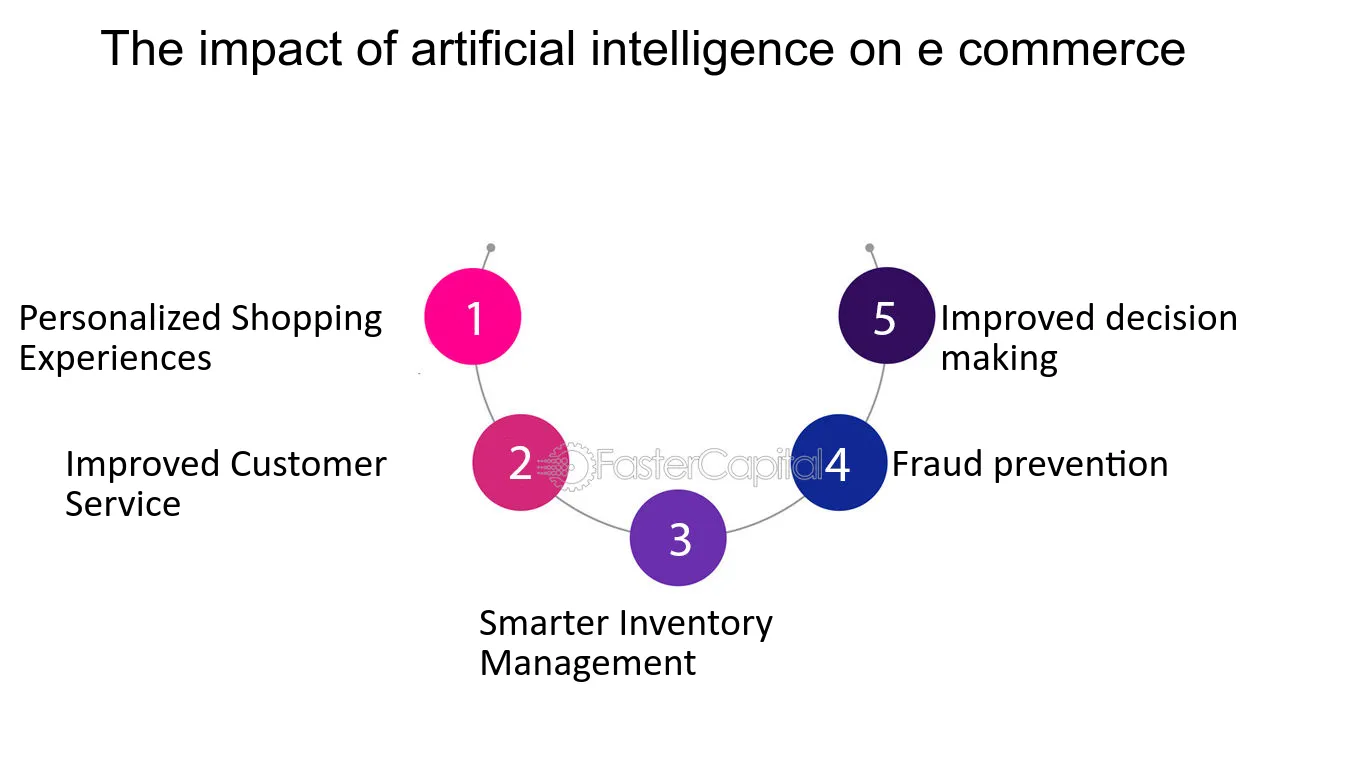
In an era where digital shopping is becoming the norm, harnessing the power of artificial intelligence (AI) has emerged as a game-changer for businesses looking to maximize their online sales. The question arises: How do AI-powered recommendations influence online sales? This article delves into the fascinating world of AI technology and its implications on the retail landscape, exploring everything from consumer behavior to optimization strategies, thereby illustrating the enlightening impact of AI on online shopping.
Understanding AI-Powered Recommendations
AI-powered recommendations refer to personalized product suggestions generated through complex algorithms that analyze user behavior, preferences, and past purchases. Think of it as your personal shopping assistant that knows your likes and dislikes down to the finest details. This technology utilizes vast datasets to learn from consumer behaviors and patterns, providing businesses with the tools they need to deliver tailored shopping experiences.
The Working Mechanism of AI Recommendations
The core of AI recommendations often involves the following mechanisms:
-
Collaborative Filtering: This technique analyzes the behavior of similar users. If two users have purchased similar items, an AI system might suggest products that one user bought to another user with similar tastes.
-
Content-Based Filtering: This strategy looks at product attributes and a user’s past interactions to suggest similar items. For example, if you frequently search for formal shoes, an AI system would recommend other styles in that category.
-
Hybrid Approaches: Most modern systems utilize a blend of collaborative and content-based filtering to provide more accurate recommendations.
Why Are AI Recommendations Critical for Online Sales?
The importance of AI-driven recommendations in boosting online sales cannot be overstated. Here are some compelling reasons:
1. Enhanced User Experience
Personalization is king in today’s digital world. When consumers see tailored suggestions that align with their preferences, they are more likely to engage with the platform and make purchases. A positive user experience leads to increased customer loyalty, more repeat visits, and ultimately more sales.
2. Reducing Search Time
In an ocean of product options, sorting through countless items can be overwhelming for consumers. AI recommendations streamline the shopping process, helping users find relevant products quickly. The less time consumers spend searching, the more likely they are to buy.
3. Increasing Average Order Value
AI-powered recommendation engines often suggest complementary products, significantly enhancing the average order value (AOV). This tactic, known as upselling or cross-selling, encourages customers to add additional items to their shopping cart that they might not have considered otherwise.
4. Leveraging Data Analytics
AI is exceptional at data analysis. With the ability to process vast datasets, businesses can gain valuable insights into consumer behavior and preferences. This information can be harnessed for future marketing and sales strategies, helping businesses effectively target their audience.
5. Reducing Abandoned Carts
One of the biggest headaches for online retailers is shopping cart abandonment. By deploying AI recommendations, businesses can remind customers of items left in their carts and suggest other complementary products, reigniting interest and encouraging completion of the transaction.
Real-World Applications of AI Recommendations in Online Sales
Now that we understand the importance of AI-powered recommendations, let’s look at some notable companies that have effectively implemented this technology to enhance their sales.
Amazon: The Pioneer of Personalized Shopping
Amazon is often credited with the inception of AI-driven recommendations. Its ‘Customers who bought this also bought’ and ‘Inspired by your shopping trends’ sections are staples of the shopping experience on the platform. By analyzing user behavior and suggesting relevant products, Amazon has significantly increased its conversion rates and total sales.
Netflix: A Different Kind of Shopping Experience
While primarily a streaming service, Netflix relies heavily on AI-powered recommendations to retain subscribers. By curating personalized viewing lists based on user preferences, Netflix keeps its audience engaged, minimizing churn rates and maximizing overall subscriptions—a technique that can be translated into e-commerce.
Spotify: Custom Playlists for Improved User Engagement
Similar to Netflix, Spotify uses AI to curate playlists tailored to individual listening habits. By analyzing user behavior, preferences, and even social media interactions, Spotify boosts user engagement—an essential lesson for online retailers seeking to connect with their audience on a deeper level.

- Overcome negative thought patterns, reduce stress, and live a worry-free life
- Overthinking is the biggest cause of unhappiness
- Don't get stuck in a never-ending thought loop
- Stay present and keep your mind off things that don't matter, and never will
- Break free of your self-imposed mental prison
eBay: Building Trust through Tailored Suggestions
eBay successfully employs AI-powered recommendations to showcase products that align with user preferences. Their ‘Recommended for You’ section keeps users engaged and increases their confidence in making purchases, further solidifying eBay’s credibility as a trustworthy platform.
Strategies to Implement AI Recommendations in Your Online Business
Now that we have explored the impact of AI on online sales, it’s vital to consider how businesses can effectively integrate these advanced systems into their operational framework. Here are some strategic recommendations:
1. Invest in High-Quality Data
AI algorithms thrive on data. Investing in gathering and refining high-quality data is the first step towards implementing a successful AI recommendation system. This includes user preferences, past purchases, browsing behavior, and demographic information.
2. Choose the Right AI Tools
With a plethora of AI tools available on the market, selecting one that aligns with your business goals is essential. Look for platforms that provide flexible options for integration, scalability, and compatibility with your existing tech stack.
3. Incorporate User Feedback
User feedback is invaluable for refining recommendations. By analyzing this feedback and incorporating user ratings and reviews, businesses can continuously improve their recommendation algorithms, enhancing customer satisfaction.
4. Monitor Performance Metrics
Once integrated, it’s important to monitor how well your AI recommendation systems are performing. Key performance indicators (KPIs) such as conversion rates, average order value, and customer engagement metrics will provide insights into the system’s effectiveness.
5. Stay Updated on Trends
AI technology is ever-evolving. Staying updated on the latest advancements and trends in AI will help businesses improve their strategies and implement the most current and effective solutions.
Challenges of AI Recommendations in Online Sales
Despite the myriad benefits of AI recommendations, there are challenges businesses must navigate:
1. Data Privacy Concerns
As AI systems rely on extensive data collection, concerns regarding data privacy and security are paramount. It is essential for businesses to implement strict data protection measures and be transparent with customers about their data usage.
2. Algorithm Bias
AI algorithms can inadvertently perpetuate bias if not properly designed and trained. Businesses must regularly evaluate their algorithms to ensure they aren’t reinforcing stereotypes or excluding certain demographics in their recommendations.
3. Over-Personalization
Excessive personalization can lead to a lack of diversity in recommendations. While consumers appreciate tailored suggestions, it is essential to strike a balance to prevent limiting their choices.
4. Technical Complexity
Implementing AI recommendations can be technically complex, particularly for smaller businesses with fewer resources. Understanding the required technology and infrastructure is critical to success.
The Future of AI Recommendations and Online Sales
As we move further into the digital future, the role of AI-powered recommendations in online sales is only expected to grow. With advancements in machine learning, natural language processing, and big data analytics, we can anticipate seeing even more sophisticated recommendation systems.
Consumers will likely encounter hyper-personalization in shopping experiences, where AI tailors everything from product displays to marketing messages. Visual recognition technology may also play a significant role, enabling customers to receive recommendations based on images uploaded or shared online.
Conclusion
The impact of AI-powered recommendations on online sales is profound and multi-faceted. Businesses that embrace this technology stand to enhance their user experience, optimize their sales processes, and ultimately boost their bottom line. However, while the opportunities are vast, businesses must also be mindful of the challenges that accompany AI implementation, ensuring ethical practices and user satisfaction remain at the forefront.
As the digital landscape continues to evolve, AI recommendations will become a cornerstone of effective online sales strategies. In assessing their impact, it’s clear that embracing AI is no longer just a luxury but a necessity for businesses looking to thrive in an increasingly competitive market.
So, if you’re looking to skyrocket your online sales, investing in AI recommendations might just be the magic bullet you’ve been seeking.


