
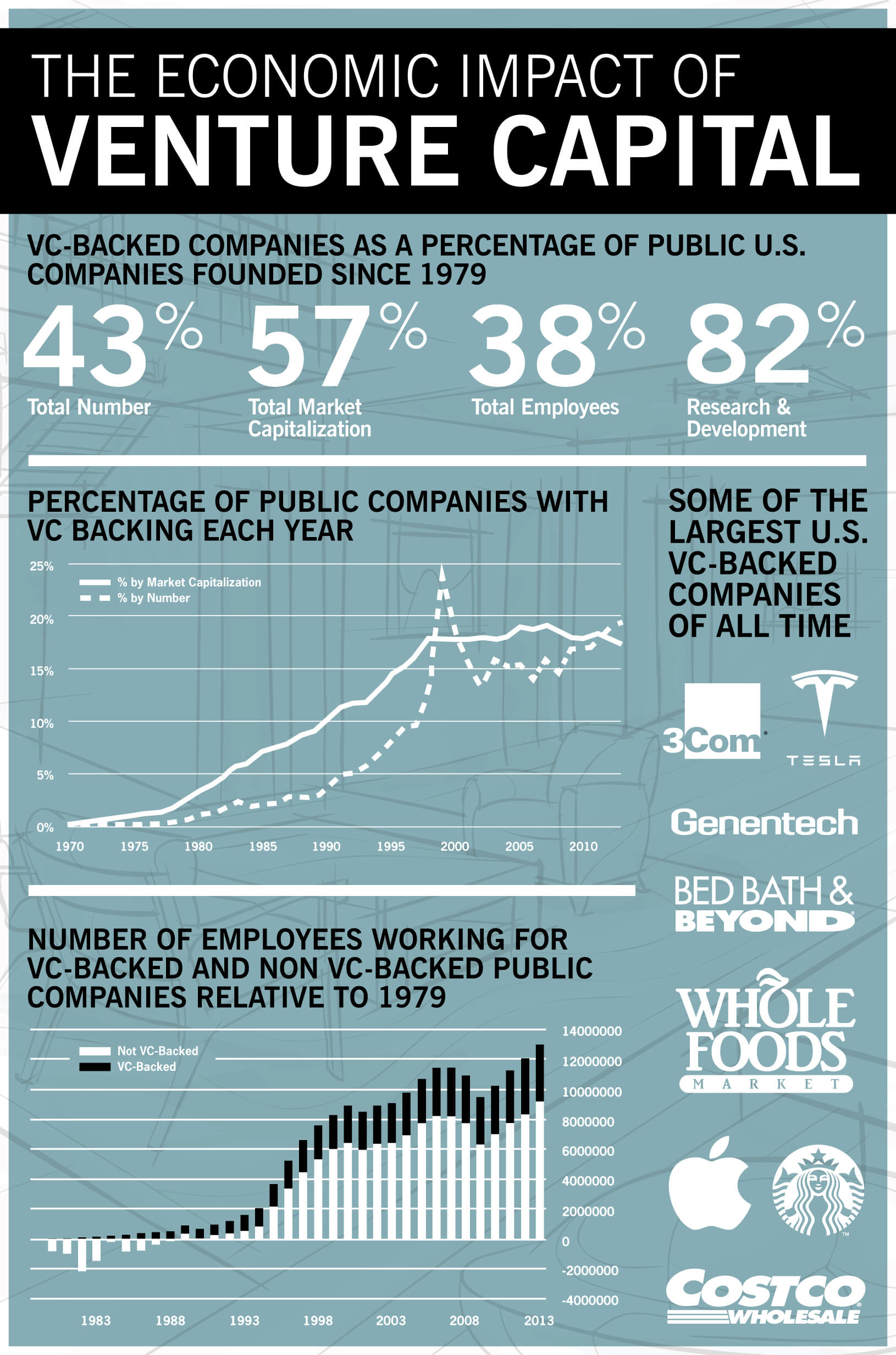
In today’s ever-evolving financial ecosystem, understanding the impact of economic trends on venture capital investments is crucial for entrepreneurs, investors, and policymakers alike. As we navigate through changes in the global economy, from fluctuating interest rates to geopolitical events and consumer behavior shifts, venture capitalists must adapt their strategies to seize opportunities and mitigate risks. This article explores how economic trends shape the landscape of venture capital investments and offers insights for both budding entrepreneurs and seasoned investors.
Understanding Venture Capital
Before diving into the intricacies of economic trends and their repercussions on venture capital, let’s define what venture capital (VC) is. Venture capital is a form of private equity financing where investors provide funds to startups and small businesses with long-term growth potential in exchange for equity, or an ownership stake. Venture capitalists play a vital role in fostering innovation and boosting the economy by funding new ideas, helping businesses scale, and creating jobs.
However, the flow of venture capital is significantly influenced by prevailing economic conditions. When the economy is booming, venture capitalists may be more willing to invest, while during recessions, they may become more conservative. Understanding these dynamics can help entrepreneurs and strategists navigate the complex world of investments.
Economic Trends That Shape Venture Capital
- Interest Rates
Interest rates are one of the strongest indicators of economic health and have a profound effect on venture capital investment. When rates are low, borrowing costs decrease, allowing startups to access finance more easily. Venture capitalists are also more inclined to invest when interest rates are low, as the potential for capital appreciation becomes more enticing compared to the low returns offered by savings accounts or bonds.
Conversely, during periods of rising interest rates, the cost of borrowing increases, which can discourage new startups from entering the market. These economic conditions can prompt venture capitalists to adopt a more cautious approach, focusing on more established companies with proven business models instead of high-risk startups.
- Inflation Rates
Inflation, the rate at which prices for goods and services rise, can also impact venture capital investments. Moderate inflation may not have a significant adverse effect; however, high inflation can erode purchasing power and lead to increased operational costs for startups, thereby affecting their growth prospects. In such scenarios, venture capitalists may reevaluate their investment strategies and focus on industries that can better withstand inflationary pressures.
On the other hand, sectors such as technology or renewable energy, which may offer innovative solutions, can still attract investment even during high inflation periods, as they fulfill modern consumer needs.
- Consumer Confidence
Consumer confidence, often measured through surveys, gauges how optimistic consumers feel about the economy and their personal financial situation. High consumer confidence encourages spending, driving demand for new products and services. This uptick in demand can propel startups into profitable ventures, making them more attractive to venture capitalists looking for lucrative investments.
In contrast, low consumer confidence can lead to decreased spending and an overall slowing of economic activity. In such environments, venture capitalists may become risk-averse, investing only in businesses that have robust business models and a clear path to profitability.
- Technological Advancements
While not a traditional economic trend, advancements in technology can significantly shape venture capital investment dynamics. In recent years, sectors such as artificial intelligence, fintech, and health tech have seen record levels of investment as technology continues to drive economic growth. Venture capitalists are keen to invest in businesses that harness emerging technologies, as these startups often exhibit exponential growth potential and the ability to disrupt existing markets.
By keeping an eye on technological trends, venture capitalists can identify promising sectors. This awareness is critical for entrepreneurs aiming to position their startups effectively within these burgeoning fields.
- Geopolitical Events
Geopolitical events—from trade wars to elections—can create ripple effects in the venture capital landscape. Political instability can deter investment, while trade restrictions can hinder international market access for startups. Additionally, changes in government policies, such as tax reforms or subsidies for certain industries, can influence where venture capitalists choose to invest.
Venture capitalists need to stay informed about geopolitical developments to make sound investment decisions. For entrepreneurs, understanding the potential impact of these events can help them tailor their business strategies to land funding opportunities.

- Overcome negative thought patterns, reduce stress, and live a worry-free life
- Overthinking is the biggest cause of unhappiness
- Don't get stuck in a never-ending thought loop
- Stay present and keep your mind off things that don't matter, and never will
- Break free of your self-imposed mental prison
The Current Climate of VC Investment
As of late 2023, venture capital investment is experiencing a distinctive climate shaped by the interplay of these economic trends. Let’s delve into the current dynamics influencing venture capital:
- The Aftermath of the Pandemic
The COVID-19 pandemic has brought long-term changes to consumer behavior and business operations. Startups that have adapted to remote work, e-commerce, and digital services have seen a surge in demand. Consequently, venture capitalists are actively investing in businesses that demonstrate flexibility and agility in their operations.
- Focus on Sustainability
Global awareness of climate change and sustainability issues has led to a notable uptick in investments in green technologies and sustainable startups. Venture capitalists are drawn to companies that align with the growing consumer and regulatory demand for sustainable practices, signaling a clear trend toward intersectional investing.
- The Rise of Inclusion and Diversity in VC
As discussions around social equity and diversity gain traction, venture capital is also undergoing a transformation. Investors are increasingly focusing on backing diverse founders and companies that prioritize inclusion, recognizing that diverse teams can drive innovation and performance. This shift is reshaping funding landscapes and opening doors for underrepresented entrepreneurs.
Strategies for Entrepreneurs in the Current VC Environment
For entrepreneurs seeking venture capital in today’s economic landscape, understanding the current investment climate is essential. Here are several strategies to enhance their chances of attracting funding:
- Focus on Problem Solving
Venture capitalists are interested in startups that address significant problems or inefficiencies within their respective industries. Entrepreneurs should clearly articulate the value proposition of their product or service and how it meets an existing need in the market.
- Demonstrate Scalability
Startups that showcase scalability—meaning they can grow their business without being hampered by their structure—tend to attract more interest from venture capitalists. Entrepreneurs should provide data-driven projections on how their business can expand and capture market share.
- Adopt a Solid Business Model
While innovation is key, having a robust, well-thought-out business model can foster confidence in investors. Entrepreneurs should be prepared to explain their revenue model, customer acquisition strategies, and operational plans in their pitches.
- Network Within the VC Community
Building relationships with venture capitalists can open doors to funding opportunities. Entrepreneurs should engage with venture capital firms, participate in pitch competitions, and connect with industry mentors. Networking can provide valuable insights into what investors are looking for and the types of businesses they prioritize.
- Stay Adaptable
In a rapidly changing economic environment, adaptability is essential. Entrepreneurs should be prepared to pivot their business strategies in response to changing market conditions, consumer preferences, or competitive dynamics to remain attractive to investors.
Conclusion
The impact of economic trends on venture capital investments is a multifaceted relationship that demands attention from both entrepreneurs and investors. By understanding how interest rates, inflation, consumer confidence, technological advancements, and geopolitical events shape the investment landscape, stakeholders can better navigate challenges and capitalize on opportunities.
In a world where market conditions can shift swiftly, the key lies in being adaptable and informed. As venture capital continues to evolve alongside these economic trends, those who stay ahead of the curve can enhance their chances of success in this competitive arena. Whether you’re an aspiring entrepreneur looking to secure funding or an investor seeking opportunities in innovative startups, being attuned to the economic climate is your ticket to thriving in today’s venture capital landscape.


