
When launching a startup, one of the most critical factors that can dictate your success is the concept of market fit. The intersection of understanding your target audience’s needs and establishing a strong product offering can make all the difference in attracting investors. In this article, we’ll explore the importance of market fit in securing investment, alongside practical strategies to identify and achieve it.
Understanding Market Fit
Market fit refers to the degree to which a product satisfies the demands of a particular market. In simpler terms, it’s about finding the right product for the right audience. Achieving market fit means that not only is your product desirable, but it’s also capable of solving a specific problem for consumers—something that can’t be overlooked when courting investors.
Investors are increasingly sophisticated; they’re looking beyond just the product concept. They want to see proof that there’s a substantial demand. Market fit signifies that your startup is positioned to support sustained growth, which directly correlates with its attractiveness to potential investors.
Why Does Market Fit Matter to Investors?
1. Risk Mitigation
Investing in startups is inherently risky. A strong market fit can help mitigate this risk by proving there’s demand for your product or service. When investors see that you have validated your idea with real users and demonstrated traction in the market, they are more likely to see your venture as a lower-risk investment.
2. Scalability
Startups with market fit can more easily develop scalable business models. A validated market establishes a foundation that allows for rapid growth, and investors appreciate ventures that can expand quickly once they refine their products and strategies. The potential for scalability can be a powerful attraction for investors looking to maximize their return on investment.
3. Measurable Success
Investors are keen on metrics that illustrate your growth and progress. Market fit provides quantifiable data that demonstrates your startup’s success. This includes metrics like customer retention rates, growth in user numbers, or increased sales revenue. These numbers tell a story that can make or break an investment pitch.
4. Product Validation
Achieving market fit means that customers are not only interested in your offering but are willing to pay for it. This validation generates confidence among investors, as it shows that a product is not just theoretical but is being actively embraced by its intended audience.
How to Achieve Market Fit
Now that we understand why market fit is vital for attracting investors let’s explore how startups can achieve it.
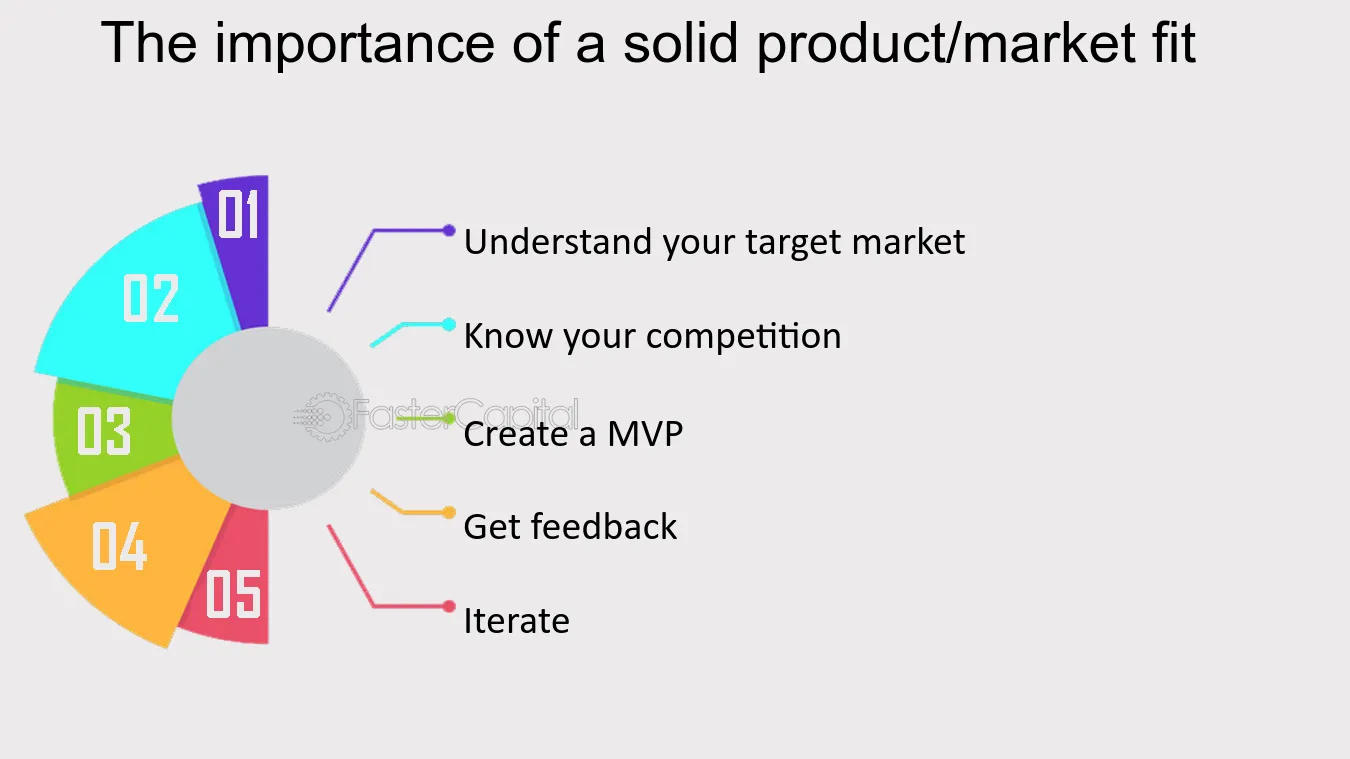
1. Identify Your Target Audience
Understanding who your customers are is the first step toward achieving market fit. Start by creating detailed buyer personas that encapsulate demographics, interests, challenges, and behavioral patterns. Conduct surveys, interviews, and focus groups to gather insights. This information will shape how you tailor your product and your marketing efforts.
2. Conduct Market Research
Market research is crucial to understanding market trends, competition, and potential obstacles. Utilize both primary research (like interviews and surveys) and secondary research (like industry reports and competitor analysis) to get a better picture of the landscape. Understand what problems your audience faces and how existing solutions stack up against yours.
3. Develop a Minimum Viable Product (MVP)
An MVP is a version of your product that’s stripped to its essential features. The goal is to test your concept with real users without overspending on development. Use feedback from early adopters to iterate and improve your offering, gradually refining it based on what they value most.
4. Gather Feedback and Iterate
Collecting feedback is not just about asking for opinions; it’s about understanding user behavior. Utilize tools like Net Promoter Score (NPS) or customer satisfaction surveys to gauge how well your product meets user needs. Regularly reassess your product based on this feedback and be willing to pivot your approach if necessary.

- Overcome negative thought patterns, reduce stress, and live a worry-free life
- Overthinking is the biggest cause of unhappiness
- Don't get stuck in a never-ending thought loop
- Stay present and keep your mind off things that don't matter, and never will
- Break free of your self-imposed mental prison
5. Market Your Product
Once you have developed a product that resonates with your target audience, it’s time to create buzz around it. A well-executed marketing strategy will place your product in front of potential customers. Utilize social media, content marketing, and other channels that your audience frequents.
6. Build a Community
Fostering a community around your product can augment your market fit efforts. Engage with your users through social media groups, forums, or events. Connecting with your audience on a more personal level helps in building brand loyalty and can yield invaluable insights into customer behavior.
7. Measure Success Metrics
Establish key performance indicators (KPIs) to track your growth and market fit. Common metrics include customer acquisition cost (CAC), lifetime customer value (LCV), churn rates, and sales growth. Keeping a close eye on these metrics can provide valuable insights into how well you’re meeting market needs, which will be essential when appealing to investors.
Making Your Case to Investors
Once you have established market fit, it’s time to craft your pitch. Here are integral elements investors want to see integrated into your presentation.
1. Clear Problem Statement
Demonstrate a well-articulated problem that your product solves. Show that you have a deep understanding of your target audience and that their pain points align with your product’s features.
2. Data-Driven Insights
Use data and metrics to substantiate your claims of market fit. Highlight user feedback, growth metrics, and engagement rates. Present a compelling narrative backed by solid numbers to show potential investors that your venture has a promising market trajectory.
3. Growth Strategy
Clearly outline your plans for scaling your business. Investors want to see that you have a strategy in place for growth, including how you plan to enhance your product and reach new customers.
4. Competitor Analysis
A thorough understanding of your competitive landscape is essential. Show how your product stands out from existing solutions. Highlight potential market share opportunities and how you plan to capture them.
5. Exit Strategy
Investors are typically looking for a return on investment within a certain timeframe. Provide a clear exit strategy, whether through acquisition, IPO, or any other means. This clarity can boost investor confidence in your startup’s potential.
Examples of Successful Market Fit
Dropbox
Dropbox provides an excellent example of achieving market fit. When the company launched, it first created a simple solution for sharing files. Through its early MVP and continuous user feedback, Dropbox iterated its offering, finding that users wanted easy file sharing across devices. Today, it boasts vast market penetration, making it an attractive investment opportunity.
Airbnb
Airbnb’s initial foray into the home-sharing market was through an MVP. By renting out air mattresses in their apartment, the founders garnered essential feedback that would guide their offering. As they evolved, the platform expanded globally, proving their product had a robust fit in the market of affordable accommodations for travelers.
Conclusion
In the ever-evolving landscape of startups and entrepreneurship, market fit remains a cornerstone concept. As you endeavor to secure investor backing, remember that demonstrating market fit is not just about having a great idea; it’s about validating that idea through real user engagement and data-driven insights. With careful research, customer understanding, and continuous improvement, achieving market fit can position your startup as a highly attractive investment opportunity. Make it your mission to find that sweet spot between your product and the market, and you’ll set yourself on the path toward sustainable growth and investor interest.
Remember, the pursuit of market fit is a journey—one that requires vigilance, adaptability, and a willingness to learn from your audience. Here’s to your entrepreneurial success!


