
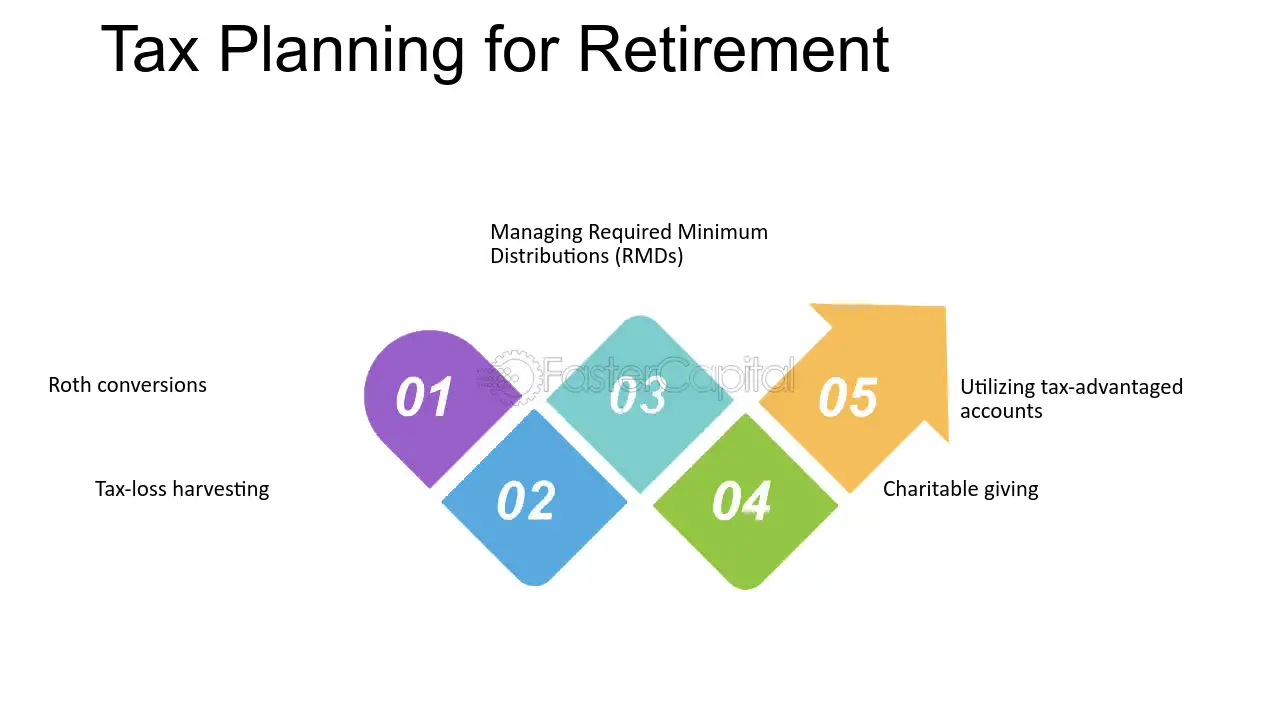
When you think about building wealth and securing your financial future, retirement accounts may not be the first things that spring to mind. However, these accounts are vital tools in your investment strategy, especially if you want to minimize your tax liabilities and maximize your potential returns over time. In this comprehensive guide, we will explore the importance of tax-advantaged retirement accounts and how they can impact your investment portfolio. We’ll delve into the different types of accounts available, the advantages they offer, and tips for optimizing your investment strategy for long-term growth.
Understanding Tax-Advantaged Retirement Accounts
Tax-advantaged retirement accounts come in several forms, each designed to provide incentives to save for retirement while offering various tax benefits. Traditional options include Individual Retirement Accounts (IRAs), Roth IRAs, and employer-sponsored 401(k) plans. These accounts allow you to invest in various assets — from stocks and bonds to mutual funds and real estate — while enjoying certain tax breaks.
1. Individual Retirement Accounts (IRAs)
IRAs are a cornerstone of personal retirement planning. They come in two primary types: Traditional and Roth.
-
Traditional IRA: Contributions to a Traditional IRA may be tax-deductible, depending on your income level and participation in an employer-sponsored retirement plan. Taxes are deferred until you withdraw money in retirement when you may be in a lower tax bracket.
-
Roth IRA: With a Roth IRA, contributions are made with after-tax income, so you won’t enjoy immediate tax deductions. However, your investments grow tax-free, and qualified withdrawals in retirement are also tax-free, offering potential long-term savings.
2. Employer-Sponsored Retirement Plans
Many companies offer 401(k) plans, which allow employees to save for retirement with pre-tax dollars. Oftentimes, employers will match a certain percentage of your contributions, effectively providing “free money” for your retirement savings.
-
401(k): This account allows you to contribute a portion of your salary before taxes are deducted, lowering your taxable income. Like a Traditional IRA, taxes on contributions and earnings are deferred until you withdraw funds in retirement, generally after age 59½.
-
Roth 401(k): Similar to a Roth IRA, contributions to a Roth 401(k) are made with after-tax dollars. Once again, the upside here is that qualified withdrawals during retirement are tax-free, enabling potentially substantial tax savings.
3. Health Savings Accounts (HSAs)
While primarily designed to cover health care costs, Health Savings Accounts (HSAs) offer an excellent tax advantage that can help bolster your retirement savings. Contributions to an HSA are tax-deductible, the growth is tax-free, and withdrawals for qualified medical expenses are also tax-free. Many investors use HSAs as an additional retirement savings tool since they can serve as a tax-advantaged investment account.
Why Tax-Advantaged Retirement Accounts Matter
By incorporating tax-advantaged retirement accounts into your investment strategy, you gain numerous benefits that can significantly impact your financial future.
1. Lower Your Tax Liability
Perhaps the biggest draw of tax-advantaged retirement accounts is their ability to reduce your tax burden. The potential for tax-deferred growth allows you to compound your investments over time without annual taxation on earnings, leading to faster growth compared to regular taxable accounts.
2. Encourage Consistent Saving
Retirement accounts incentivize saving by making it easy to automate your contributions. Many employers offer programs where a portion of your paycheck is directly deposited into your 401(k). This automatic savings mechanism not only fosters discipline but also helps you consistently contribute to your retirement fund without needing to think about it actively.

- Overcome negative thought patterns, reduce stress, and live a worry-free life
- Overthinking is the biggest cause of unhappiness
- Don't get stuck in a never-ending thought loop
- Stay present and keep your mind off things that don't matter, and never will
- Break free of your self-imposed mental prison
3. Compound Growth
Investing in tax-advantaged accounts allows you to reap the rewards of compound interest over time. The longer your money stays invested and grows untaxed, the more it can multiply. Compounding can significantly increase your total saved by the time you reach retirement, leading to a comfortable lifestyle post-career.
4. Diversified Investment Options
Many tax-advantaged retirement accounts permit a wide variety of investment options. From stocks and ETFs to bonds and real estate investment trusts (REITs), having diverse investment options allows you to craft a strategy tailored to your risk tolerance and financial goals.
5. Flexibility in Withdrawals
While there are rules governing when and how you can withdraw funds from retirement accounts, Roth IRAs offer an interesting flexibility: contributions can be withdrawn at any time without penalty. This makes them an attractive option for younger investors who might want to use their savings for other opportunities before reaching retirement age.
Strategies for Maximizing Your Tax-Advantaged Accounts
Understanding the importance of tax-advantaged accounts is just the beginning. To truly benefit from these accounts, you must employ strategic actions to optimize your savings and investment outcomes.
1. Start Early and Contribute Regularly
The earlier you start saving for retirement, the more you’ll benefit from the power of compounding. If you begin contributing to an IRA or 401(k) in your 20s or 30s, even small contributions can grow substantially over time. Set up automatic contributions to ensure you’re consistently investing for your future.
2. Take Advantage of Employer Matches
If your employer offers a 401(k) match, take full advantage of this benefit. Contributing enough to meet your employer’s match is essentially getting free money to grow your investments. Make this a priority in your budgeting.
3. Choose the Right Account Type
Evaluate which type of tax-advantaged account suits your financial situation best. If you anticipate being in a higher tax bracket during retirement, a Roth account might be beneficial, as you’ll pay taxes now instead of later. Conversely, if you expect your tax rate to lower after retirement, a Traditional IRA or 401(k) could be more advantageous.
4. Diversify Your Investments
Putting all your contributions into a single asset class can be risky. Diversifying across various asset types can help mitigate risks and enhance returns. Consider a mix of equities, bonds, index funds, and other options based on your risk tolerance and investment horizon.
5. Stay Informed and Adjust
Regularly review your investment strategy and stay informed about changes in tax laws, contribution limits, and retirement account rules. As you get closer to retirement, consider shifting your investments toward more stable assets that can reduce risk and provide a consistent income stream during retirement.
The Bottom Line: Secure Your Future with Tax-Advantaged Accounts
Tax-advantaged retirement accounts are invaluable tools for anyone looking to grow their wealth over time. With the potential for reduced tax liabilities, consistent savings, and the power of compounding, they serve as a solid foundation for any investment strategy. By starting early, taking advantage of employer matches, and choosing the right account types, you can maximize your savings and create a financially secure future.
Investing in tax-advantaged retirement accounts isn’t merely a financial decision; it’s an essential step toward ensuring peace of mind during your golden years. As you embark on your investment journey, remember that time and strategy are your greatest allies. You’ve got this—now get started on building the retirement of your dreams!


