
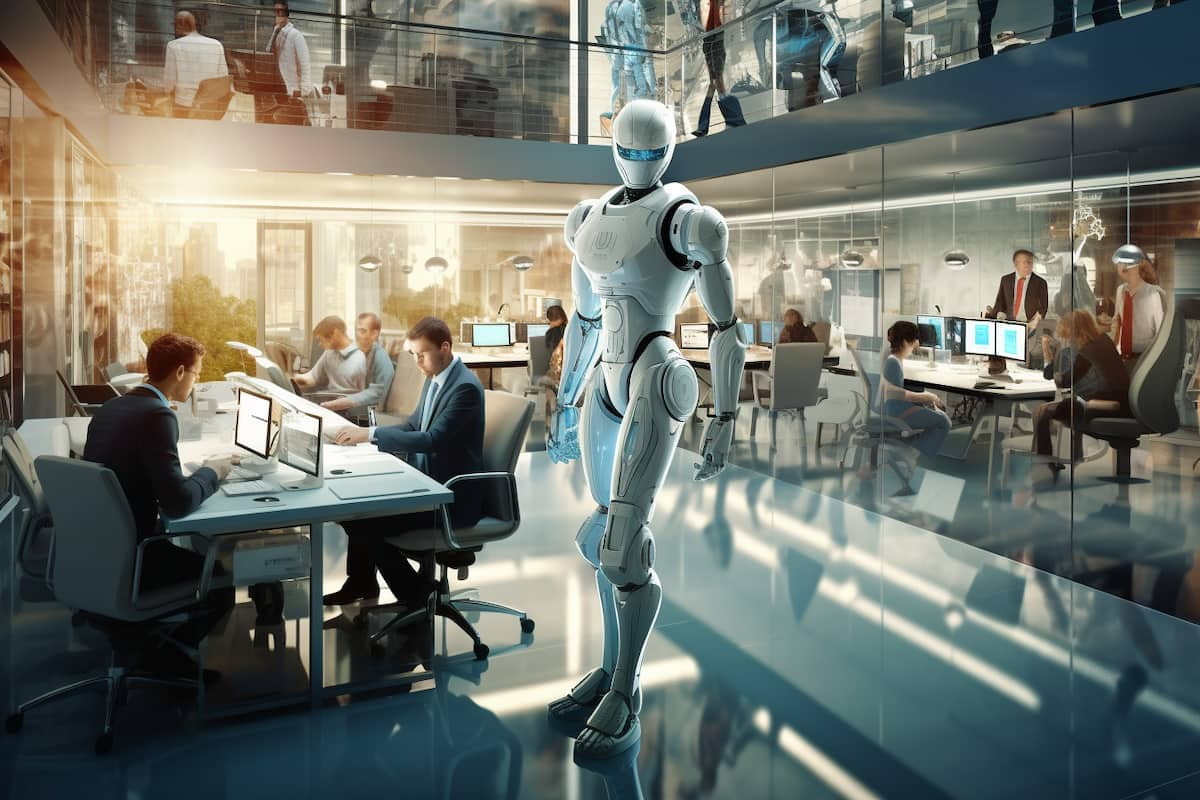
In 2024, the landscape of employment is shifting as artificial intelligence continues to advance. From repetitive tasks to complex decision-making processes, AI is making its mark on various industries. In this blog post, we will explore the jobs that AI is actually replacing in 2024. Stay ahead of the curve and discover how technology is revolutionizing the workforce. Whether you’re a job seeker or a business owner, understanding these changes is essential for navigating the future of work. Let’s delve into the roles that AI is transforming and see how you can adapt to this evolving job market.
1. Blue-collar jobs being replaced by AI
AI technology is increasingly impacting blue-collar jobs that involve manual labor and routine tasks. Here are some of the roles in this sector that are at risk of being replaced by AI:
– **Construction workers:** AI-driven robots and machines are being developed to assist in construction projects, reducing the need for manual labor in this field.
– **Factory workers:** Automation in manufacturing processes is gradually replacing human workers in factories with AI-powered machines that can perform tasks more efficiently and consistently.
– **Truck drivers:** The development of autonomous vehicles is posing a threat to truck drivers as self-driving trucks become more advanced, potentially eliminating the need for human drivers.
2. Service industry jobs affected by AI
The service industry is also experiencing significant changes due to the integration of AI technology. Here are some service industry jobs that are being impacted:
2.1. Retail jobs
– **Cashiers:** Self-checkout kiosks and automated payment systems are reducing the need for traditional cashier roles in retail stores.
– **Sales associates:** AI-powered chatbots and recommendation engines are providing customers with assistance and product recommendations, diminishing the need for human sales associates.
– **Stock clerks:** Automated inventory management systems are streamlining stock management processes, potentially reducing the need for human stock clerks.
2.2. Food service jobs
– **Fast food workers:** Self-service kiosks and automated food preparation systems are becoming more common in fast food restaurants, minimizing the need for manual food service roles.
– **Waitstaff:** AI-driven ordering systems and delivery robots are changing the dynamics of the restaurant industry, potentially decreasing the demand for human waitstaff.
– **Baristas:** Automated coffee machines and robotic baristas are being introduced in cafes, challenging the traditional role of human baristas.
2.3. Customer service jobs
– **Call center representatives:** AI-powered chatbots and voice assistants are handling customer queries and issues, reducing the reliance on human call center representatives.
– **Technical support agents:** AI algorithms are being used to troubleshoot technical problems and provide solutions, impacting the demand for human technical support agents.
3. White-collar jobs at risk of being replaced by AI
Even white-collar professions are not immune to the influence of AI technology. Here are some white-collar jobs that are at risk of being replaced:
– **Data entry specialists:** AI-powered data entry software can accurately and quickly input information, potentially replacing the need for human data entry specialists.
– **Accountants:** AI algorithms can analyze financial data and generate reports with minimal errors, challenging the traditional role of human accountants.
– **Paralegals:** AI tools can assist in legal research, document review, and case preparation, impacting the role of human paralegals.
4. Healthcare jobs impacted by AI
The healthcare industry is also witnessing the integration of AI technology, which is affecting various roles within the sector:
– **Medical transcribers:** AI-powered speech recognition software can transcribe medical dictation accurately and efficiently, potentially reducing the need for human medical transcribers.
– **Radiologists:** AI algorithms can analyze medical images and assist in diagnosing conditions, changing the role of human radiologists in the interpretation of results.
– **Pharmacists:** Automated prescription dispensing systems and AI-powered drug interaction checks are transforming the role of human pharmacists in medication management.
5. Creative jobs that AI is beginning to replace
Even creative professions are facing disruption from AI technology. Here are some creative roles that AI is starting to replace:
– **Content writers:** AI-powered tools can generate articles, blog posts, and marketing content, challenging the work of human content writers.
– **Graphic designers:** AI software can create designs, logos, and visuals based on predefined parameters, impacting the role of human graphic designers.
– **Musicians:** AI-generated music compositions and soundtracks are becoming more common, potentially changing the landscape for human musicians in the industry.
6. The future of AI in the job market
As AI technology continues to evolve, new roles and opportunities are emerging in the job market. Here are some trends to watch out for:
6.1. Emerging roles in AI
– **AI trainers:** Professionals who specialize in training AI models and algorithms to perform specific tasks and functions.
– **AI ethicists:** Experts who focus on the ethical implications of AI technology and ensure responsible use in various applications.
– **AI implementation specialists:** Individuals who specialize in deploying AI solutions in different industries and settings.
6.2. Upskilling and reskilling in the age of AI
As AI continues to reshape the job market, the importance of continuous learning and adaptability has never been more critical. It is essential for workers to upskill and reskill to stay relevant in a changing landscape.
6.3. Ethical considerations in AI job displacement
Addressing inequality and ensuring fairness in AI implementation are vital considerations as technology replaces traditional job roles. It is crucial to establish guidelines and regulations that promote ethical practices in AI deployment.
In conclusion, the impact of AI on the job market is undeniable, with numerous roles across various industries being transformed or replaced. While some jobs may be at risk, new opportunities and emerging roles are also emerging. By staying informed, upskilling, and adapting to the changing landscape, individuals can navigate the future of work in the age of AI.


