
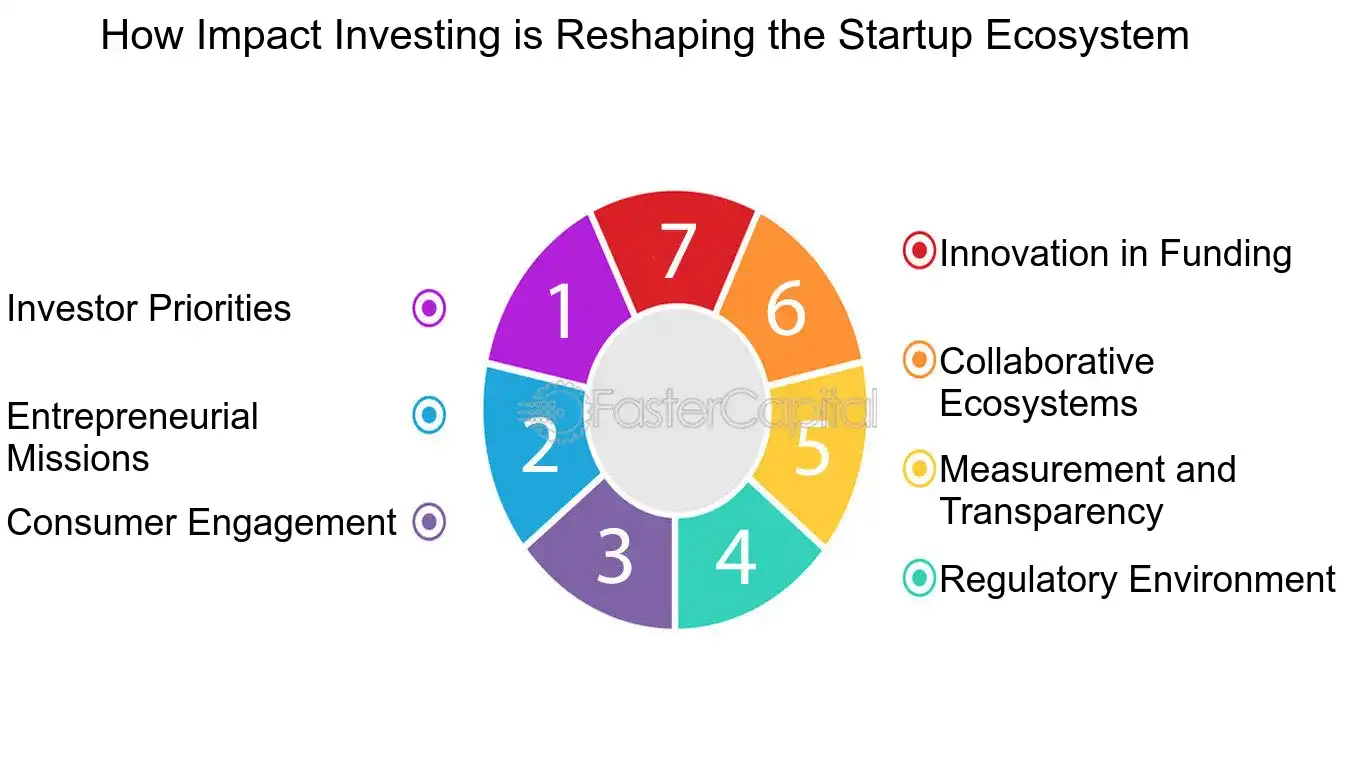
In recent years, the finance world has witnessed a significant transformation with the emergence of impact investing. This movement focuses on generating social and environmental benefits alongside financial returns, appealing to a new generation of investors who wish to make a positive difference with their money. For startups navigating the complex landscape of funding, understanding the implications of impact investing is crucial. This article delves into the rise of impact investing, what it entails, and how it reshapes the startup landscape.
What Is Impact Investing?
At its core, impact investing refers to investments made with the intention to generate positive, measurable social and environmental impacts while also earning a financial return. It’s a blend of philanthropy and traditional investing, allowing investors to support causes they care about while still aiming for a profit.
Impact investing encompasses various sectors, including renewable energy, sustainable agriculture, education, healthcare, and affordable housing. Investors are typically drawn to companies with innovative solutions addressing social issues or environmental challenges, making it increasingly relevant for startups.
As awareness grows about climate change and social justice, more investors are prioritizing their capital towards startups that align with their values. This growing trend signals a fundamental shift in how we perceive investment opportunities, especially in a post-COVID world where consumers and investors alike are more conscious of corporate responsibility.
The Impact of the COVID-19 Pandemic
The COVID-19 pandemic spotlighted many existing social issues, such as health disparities, economic inequality, and environmental sustainability. As a result, the demand for impact investments surged. Investors are now more inclined to support startups that tackle these pressing challenges.
The pandemic also accelerated digital transformation across various sectors, leading to a surge in startups offering innovative solutions in health technology, remote work, and education. With impact investing on the rise, many of these startups found new funding avenues, enabling them to thrive while addressing urgent societal needs.
According to the Global Impact Investing Network (GIIN), the impact investing market has grown significantly in recent years, boasting an estimated $715 billion in assets under management as of 2020. This growth trajectory suggests a robust future for impact investing, especially for startups that align with these dual goals of financial return and social impact.
Why Are Startups Embracing Impact Investing?
-
Aligning Values with Investors: Startups today are often founded on principles of sustainability, equality, and innovation. By seeking impact investors, they can attract individuals and funds that share similar values. This alignment can lead to more meaningful partnerships, ensuring that all stakeholders are working towards a common goal.
-
Access to Capital: Traditional venture capital is often focused solely on high financial returns, which can marginalize startups addressing critical social and environmental issues. Impact investing opens new avenues for funding, enabling these companies to access capital that may have otherwise been unavailable.
-
Building a Strong Brand: Consumers are increasingly drawn to brands that demonstrate a commitment to social and environmental responsibility. Startups that embrace impact investing can clearly communicate their mission, enhancing their brand strength and appeal in a competitive market.
-
Community Support: The ethos of impact investing often emphasizes community engagement and local benefits. Startups that aim to create positive changes in their communities may find greater support from local investors, facilitating grassroots funding and advocacy.
-
Long-term Viability: Investors in the impact space tend to focus on long-term strategies rather than quick financial gains. This stability can be advantageous for startups, allowing them to prioritize growth and impact over immediate profits.
The Different Models of Impact Investing for Startups
There are several models startups can adopt to engage with impact investors effectively:
1. Equity Investments
This model involves selling shares in the company to impact investors in exchange for capital. Investors seek equity investments that align with their impact goals. By offering a stake in the business, startups can access substantial funding while ensuring their mission is supported.
2. Debt Financing
Under this model, startups may borrow funds from impact investors, promising to repay the loan with interest. This arrangement can provide capital without diluting equity, allowing entrepreneurs to maintain more control over their businesses. Impact investors may offer lower interest rates or more flexible terms than traditional lenders, particularly for ventures with strong social missions.
3. Grants and Donations
Though not a typical investment model, some impact investors offer grants to startups focused on social innovation. These funds may come from foundations or philanthropic organizations seeking to support initiatives that create positive change. For startups, this can be an excellent avenue to secure funding without the pressure of repayment or equity loss.

- Overcome negative thought patterns, reduce stress, and live a worry-free life
- Overthinking is the biggest cause of unhappiness
- Don't get stuck in a never-ending thought loop
- Stay present and keep your mind off things that don't matter, and never will
- Break free of your self-imposed mental prison
4. Revenue-based Financing
In this model, instead of fixed interest repayments, startups repay investors a percentage of their revenue until a predetermined amount is paid back. This flexible approach aligns investor returns with the company’s performance and growth while minimizing financial strain on early-stage ventures.
5. Social Impact Bonds
This innovative financing mechanism involves private investors funding social programs upfront, with repayments made based on the program’s success. Startups innovating in social initiatives can benefit from this funding model, although it often requires measurable outcomes to justify repayments.
Though the rise of impact investing presents numerous opportunities for startups, it also comes with its challenges:
1. Defining Impact Metrics
One of the critical challenges in the impact investing landscape is defining and measuring impact. Startups need to establish clear metrics that demonstrate their social or environmental contributions. Without a solid measurement framework, it can be difficult to attract investors who are increasingly focused on quantifiable results.
2. Balancing Profit and Purpose
While impact investing allows startups to pursue both profit and social impact, tensions may arise if financial performance lags. Entrepreneurs must find a way to balance these dual objectives without sacrificing their mission or compromising on business sustainability.
3. Limited Awareness and Education
The impact investing space is still relatively new, leading to a knowledge gap for many entrepreneurs. Startups may struggle to identify suitable impact investors or fully understand the nuances of impact investment strategies. Increased education and awareness are crucial for startups to navigate this evolving market successfully.
4. Competition for Capital
As more startups embrace impact investing, competition for limited capital increases. Entrepreneurs must be equipped to articulate their unique value propositions and demonstrate why their ventures stand out in the crowded landscape of impact-focused companies.
The Future of Impact Investing and Startups
Looking ahead, the potential for impact investing to reshape the startup ecosystem is immense. As consumer preferences evolve and social issues take center stage, impact investing is poised for continued growth. The following trends could define the future:
1. Increased Regulatory Support
As the impact investing market expands, regulatory frameworks may emerge to promote transparency and accountability. This support could help standardize practices and foster trust between startups and investors, enabling more capital to flow into the sector.
2. Technological Innovations
Startups harnessing technology to address social and environmental challenges could see a surge in interest from impact investors. Innovations such as blockchain, artificial intelligence, and big data could facilitate measurable impact and improve investor confidence.
3. Collaboration and Partnerships
Expect to see more collaborations between startups, traditional businesses, and impact investors. By joining forces, stakeholders can leverage resources and expertise to drive positive change. Such partnerships could foster incubators and accelerators tailored to impact-focused ventures.
4. Growing Consumer Demand for Impactful Products
Consumers increasingly seek to support brands that align with their values, driving them to favor companies engaged in impact investing. Startups that prioritize their mission and demonstrate measurable social impact could gain significant market traction.
5. Diverse Investment Approaches
As the impact investing landscape matures, we can expect the emergence of diverse investment strategies tailored to specific industries and social challenges. Startups in varied sectors may find niche opportunities that cater to unique investor preferences.
Conclusion
The rise of impact investing marks a significant shift in the startup funding landscape. As more investors seek to generate positive social and environmental outcomes alongside financial returns, startups have the opportunity to align their missions with investor interests. This growing trend not only provides essential capital for early-stage ventures tackling pressing issues but also inspires entrepreneurs to innovate and create lasting change.
While challenges persist, such as defining impact metrics and balancing profit with purpose, the future of impact investing is undoubtedly bright. Startups that successfully navigate this landscape will not only find funding but also contribute to a more sustainable, equitable world. For entrepreneurs looking to make a difference, the rise of impact investing represents a chance to change the game—one investment at a time.


