
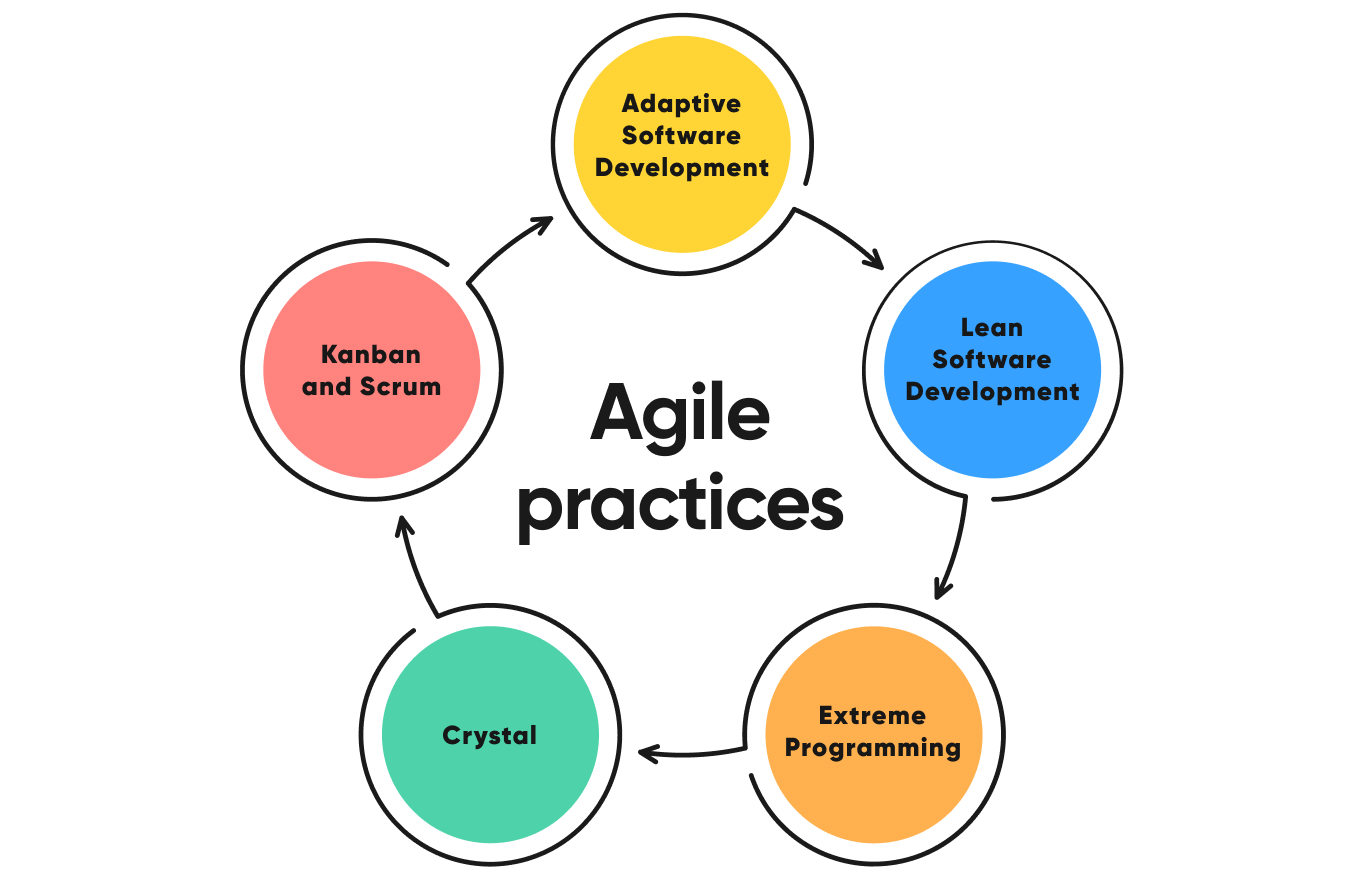
In the fast-paced world of software development, agility has become a buzzword among startups, especially in the Software as a Service (SaaS) sector. The modern entrepreneur is faced with a myriad of challenges when launching a new business, from satisfying customer needs to adapting to market changes. This is where Agile Development comes into play, emerging as a critical component in crafting successful business plans for SaaS startups. But what exactly is Agile Development, and how does it fit into the intricate puzzle of SaaS business planning? Let’s delve into this exciting topic.
Understanding Agile Development
At its core, Agile Development is a set of principles and practices that promote iterative progress, collaboration, and flexibility in software development. Originating from the Agile Manifesto in 2001, this methodology emphasizes customer satisfaction, adaptive planning, and rapid delivery of high-quality software. With Agile, teams work in short cycles, known as iterations or sprints, allowing for frequent reassessment and adjustment.
But how does this concept translate into the development of business plans for SaaS startups?
The Benefits of Agile Development for SaaS Startups
- Customer-Centric Focus
One of the most significant advantages of integrating Agile Development into your SaaS business plan is the emphasis on customer feedback and involvement. Agile methodologies encourage direct communication with users, allowing startups to build products that truly meet customer needs. This adaptability is crucial for SaaS businesses, where user requirements can evolve rapidly. By seeking feedback early and often, startups can avoid costly missteps and pivot when necessary.
- Reduced Time to Market
The ability to release a Minimum Viable Product (MVP) is vital for any SaaS startup. Agile Development facilitates this by enabling teams to prioritize features and deliver core functionalities in shorter cycles. Instead of waiting months or even years for a complete product launch, SaaS startups can enter the market quickly, learn from real user interactions, and iteratively improve their offerings. This speed can be a game-changer in a competitive landscape.
- Enhanced Collaboration and Team Dynamics
SaaS projects often require collaboration among diverse teams, including developers, marketers, and customer support. Agile methodologies promote collaboration by fostering open communication and ensuring that everyone is on the same page. Daily stand-up meetings and regular retrospectives encourage team members to voice their thoughts, leading to better problem-solving and innovation.
- Flexibility in Planning
SaaS startups operate in a dynamic environment where new technologies, business models, and user expectations emerge rapidly. Agile Development allows for adaptability in business plans. With a focus on iterative improvements, teams can easily adjust their strategies based on performance metrics, customer feedback, and market changes. This flexibility is particularly crucial for startups, as rigid plans can become obsolete almost overnight.
- Risk Management
In any startup venture, risk is omnipresent. With Agile Development, startups can identify and address potential risks early in the development process. Continuous testing and feedback loops allow teams to identify flaws in their products or assumptions quickly. This proactive approach to risk management can prevent larger issues down the line, ultimately leading to higher chances of success.
How to Incorporate Agile Development into Your SaaS Business Plan
Now that we’ve discussed the benefits, let’s explore how to effectively incorporate Agile Development into your SaaS business plan.
Define Your Vision and Goals
Before diving into the nitty-gritty of Agile practices, start by establishing a clear vision for your SaaS product. What problem are you solving? Who are your target customers? What are your business goals? Having a solid foundation will guide your Agile practices as you progress through the development stages.
Build Cross-Functional Teams
Agile Development thrives in an environment where diverse skills and perspectives come together. Assemble cross-functional teams that include developers, designers, marketers, and project managers. Encourage collaboration from the outset to ensure that everyone contributes to the project’s success.

- Overcome negative thought patterns, reduce stress, and live a worry-free life
- Overthinking is the biggest cause of unhappiness
- Don't get stuck in a never-ending thought loop
- Stay present and keep your mind off things that don't matter, and never will
- Break free of your self-imposed mental prison
Prioritize Features Using the MoSCoW Method
In Agile, not all features are created equal. Use the MoSCoW method—Must have, Should have, Could have, and Won’t have—to prioritize features for your MVP. This method helps your team focus on delivering the essential components first while maintaining flexibility to incorporate additional features based on user feedback.
Implement Short Iterations
Organize your development process into short, manageable iterations (sprints). Typically lasting from one to four weeks, each sprint should include planning, execution, testing, and review phases. This structure allows you to release updates frequently and adapt quickly to user feedback and performance analysis.
Utilize Agile Tools
Implement project management tools that align with Agile methodologies. Tools like Jira, Trello, and Asana can help track progress, manage tasks, and facilitate communication among team members. These tools promote transparency, making it easier to identify challenges and address them proactively.
Continuous Feedback and Improvement
Integrate regular feedback loops into your development process. Encourage users to share their experiences and thoughts on your product. Use surveys, interviews, and beta testing to gather insights. Analyze this feedback to refine your product continuously, ensuring that it meets user expectations.
Foster an Agile Mindset
Finally, cultivating an Agile mindset across your team is crucial. Encourage a culture that values flexibility, collaboration, and learning. Emphasize that failure can be a learning experience, fostering an environment where innovation is encouraged and embraced.
Real-World Examples of Agile Development in SaaS Startups
To showcase the effectiveness of Agile Development, let’s examine a couple of successful SaaS startups that implemented this methodology.
Slack
Initially created as an internal communication tool for a gaming company, Slack evolved into one of the most popular collaboration platforms by harnessing Agile Development principles. By launching an MVP and incorporating user feedback throughout the development process, the team was able to refine the product continuously. Today, Slack boasts millions of active users, with features and improvements driven by real customer needs.
Zoom
Zoom, a leading video conferencing platform, also exemplifies the power of Agile Development. In the early stages, the team released a simple MVP, allowing users to connect with each other seamlessly. By focusing on user feedback and iterating rapidly, Zoom expanded its features to accommodate a growing user base. This adaptability played a significant role in Zoom’s explosive growth during the COVID-19 pandemic.
Conclusion: The Future of SaaS Startups with Agile Development
As we look to the future, it’s clear that the role of Agile Development in SaaS startup business plans cannot be overstated. With the ever-changing landscape of technology and user preferences, startups must embrace agility to thrive in a competitive market. By focusing on customer feedback, enabling rapid iterations, and fostering a collaborative team culture, SaaS entrepreneurs can build products that resonate with their audience and achieve sustainable success.
So, if you’re embarking on a journey to launch your own SaaS startup, consider integrating Agile Development into your business plan. The benefits are clear, and the potential for growth is immense. Embrace the power of agility, and watch your startup flourish in today’s dynamic digital landscape.
In summary, the role of Agile Development in SaaS startup business plans is not merely an option; it’s a necessity for anyone looking to navigate the complexities of modern software development successfully. By understanding and implementing Agile methodologies, you can create a roadmap that leads to a thriving and responsive SaaS business poised for long-term success.


