
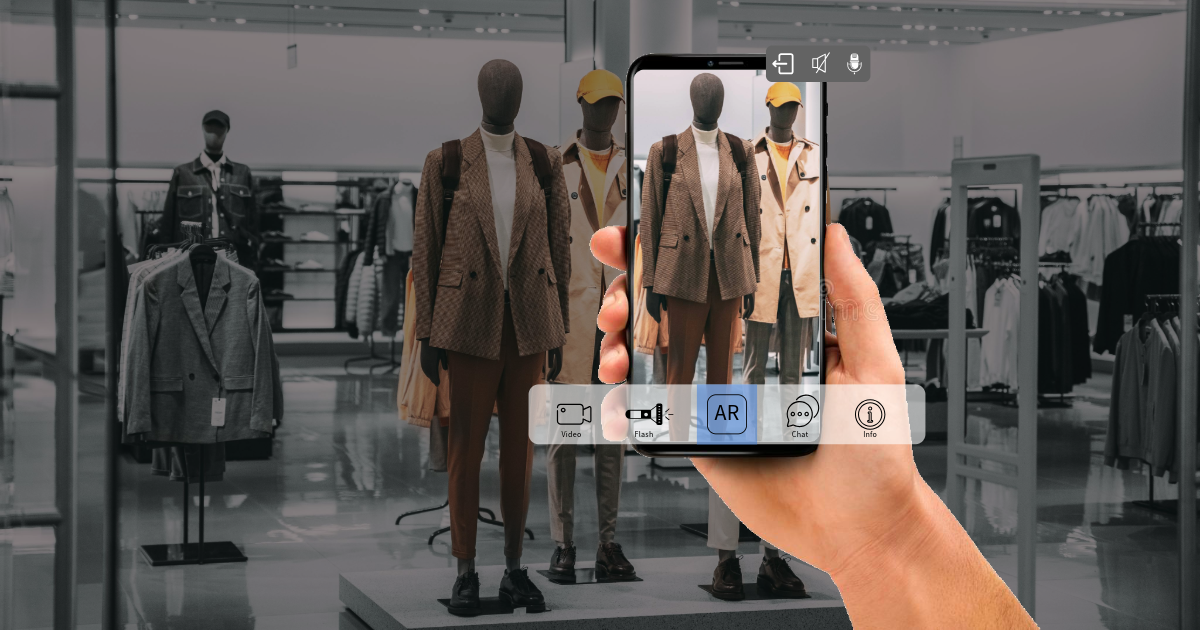
In the dynamic world of e-commerce, online shopping has undergone significant transformations over the years. With advancements in technology, shopping has moved from being a simple exchange of goods to a multifaceted experience that incorporates convenience, speed, and increasingly, the power of augmented reality (AR). As we dive into the role of AR in revolutionizing online shopping, we will explore the various applications, benefits, and the profound impact this technology is having on the retail landscape.
Understanding Augmented Reality
Augmented reality is a technology that overlays digital information—images, sounds, or data—onto the real world, enhancing our perception of reality. Unlike virtual reality, which immerses users in a completely digital environment, AR employs the existing environment and adds computer-generated elements to it. From popular mobile applications to sophisticated hardware solutions, AR is making its mark across multiple industries, particularly in retail and e-commerce.
The Current State of Online Shopping
The online shopping ecosystem has seen a rapid evolution, especially due to recent global events, such as the COVID-19 pandemic. Consumers who were initially reluctant to adopt online shopping found themselves turned towards the digital marketplace, and retailers had to adapt quickly. As this shift gained momentum, so did the demand for more immersive and engaging shopping experiences. This is where augmented reality comes in, acting as a bridge between the digital and physical worlds.
Enhancing the Consumer Experience with AR
1. Virtual Try-Ons: The Future of Fashion
One of the most significant applications of augmented reality in e-commerce is in the fashion industry. Brands like Warby Parker and IKEA have developed AR solutions that allow shoppers to “try on” glasses or visualize how furniture will look in their homes before making a purchase. This feature diminishes uncertainty, allowing consumers to see exactly how products fit in their lifestyle, enhancing confidence in their buying decisions.
2. Home Decor Without the Guesswork
Consider the cumbersome process of buying new furniture. Consumers often lack the vision to understand how pieces will fit in their space. AR solutions, like those offered by IKEA, permit customers to visualize furniture in real-time, directly in their homes. This technology not only saves time but also eliminates the tedious back-and-forth associated with returns.
3. Interactive Product Demonstrations
AR has the potential to transform the way consumers interact with products online. Imagine being able to see a digital 3D model of a product on your kitchen table. Brands can create interactive demonstrations via AR, allowing shoppers to examine features closely and understand their products better. This level of interactivity increases engagement and can lead to higher conversion rates.
Building Trust Through Transparency
4. Increased Customer Confidence
One of the biggest hurdles in online shopping is the lack of tangibility. Shoppers often hesitate to make purchases because they cannot physically assess the product. AR can turn this challenge into an opportunity. By providing virtual experiences that mimic how a product will look or function in real life, consumers feel more confident in their purchases. With this increased confidence comes reduced return rates, benefiting both consumers and retailers.
5. Understanding Size and Scale
Another key factor in online shopping is the ability to visualize size and scale. For example, when purchasing clothing items or footwear, knowing the fit is critical. AR allows customers to see how clothing looks on a virtual avatar that mimics their body type. This personalized experience caters to a diverse range of body types and preferences, making it an invaluable tool for online clothing retailers.
The Impacts on Retailers
6. Enhanced Marketing Strategies
Retailers can leverage AR not only for direct sales but also to enhance their marketing strategies. Interactive ads or AR filters on social media can drive significant engagement. Brands can create experiences that resonate with consumers, making them not just passive observers but active participants. According to studies, interactive AR campaigns result in higher retention rates and customer loyalty.

- Overcome negative thought patterns, reduce stress, and live a worry-free life
- Overthinking is the biggest cause of unhappiness
- Don't get stuck in a never-ending thought loop
- Stay present and keep your mind off things that don't matter, and never will
- Break free of your self-imposed mental prison
7. Cost-Effectiveness in Prototyping
For retailers and product developers, AR can simplify the prototyping process. Brands can create digital representations of products without the need for physical prototypes. This not only saves cost but can also speed up the product development cycle. Quick alterations can be made to the design based on real-time feedback generated by AR applications.
8. Data Collection and Personalization
Augmented reality allows retailers to gather valuable data on consumer interactions with their products. By analyzing how customers engage with AR experiences, brands can gather insights into preferences, shopping habits, and trends. This data can be utilized to create personalized shopping experiences that cater to individual needs and tastes.
The Challenges Ahead
While the benefits of AR in online shopping are evident, several challenges must be addressed. The technology’s success relies on high-quality hardware and software solutions, which can be cost-prohibitive for small to medium-sized retailers. Additionally, consumer education is vital; customers must be willing to explore new shopping methods and understand how to utilize AR tools effectively.
Looking Forward: The Future of AR in E-Commerce
The future of AR in e-commerce is as exciting as it is unpredictable. As technology continues to develop, AR applications will likely become more accessible, engaging, and sophisticated. With innovations like AR glasses on the horizon and improvements in mobile AR applications, the potential for AR in retail is boundless.
9. Social Shopping Takes a New Turn
“Social shopping” is a term that has gained traction over the last few years, with platforms like Instagram and TikTok leading the charge. AR has the potential to redefine social commerce, allowing users to try products virtually within their social networks. Collaborative shopping experiences could allow friends to browse and shop together, making retail more social and interactive.
10. Bridging Online and Offline Experiences
As retailers continue to expand their online presence, there is a growing need to provide seamless experiences that bridge online shopping with physical stores. AR can play a critical role in this integration, allowing customers to interact with brands on multiple levels. By providing in-store AR experiences, retailers can enhance customers’ physical shopping experiences and make them more memorable and engaging.
Conclusion: The Path to a Fully Immersive Shopping Experience
As we move forward into a highly digital age, augmented reality stands at the forefront of revolutionizing online shopping. By creating immersive, engaging, and personalized experiences, AR is not just a trend; it is a crucial technology that will shape the future of retail. With its ability to enhance consumer confidence, streamline decision-making processes, and provide deeper insights into shopping behavior, AR is poised to become a fundamental pillar of the e-commerce ecosystem.
As businesses continue to adapt to changing consumer expectations, those that embrace AR technology will likely find themselves at a competitive advantage. Transitioning from a traditional shopping experience to one steeped in augmented reality can help retailers create lasting connections with customers, encourage brand loyalty, and ultimately drive sales. So, whether you’re a consumer eager for the next shopping innovation or a retailer strategizing your e-commerce future, be prepared for AR to redefine the competitive landscape of online shopping.
In a world where the lines between digital and physical are increasingly blurred, augmented reality is undeniably the key to unlocking a revolutionary shopping experience for everyone involved. For eager shoppers and savvy retailers alike, embracing this innovation might just become the most rewarding step in their retail journey.


