
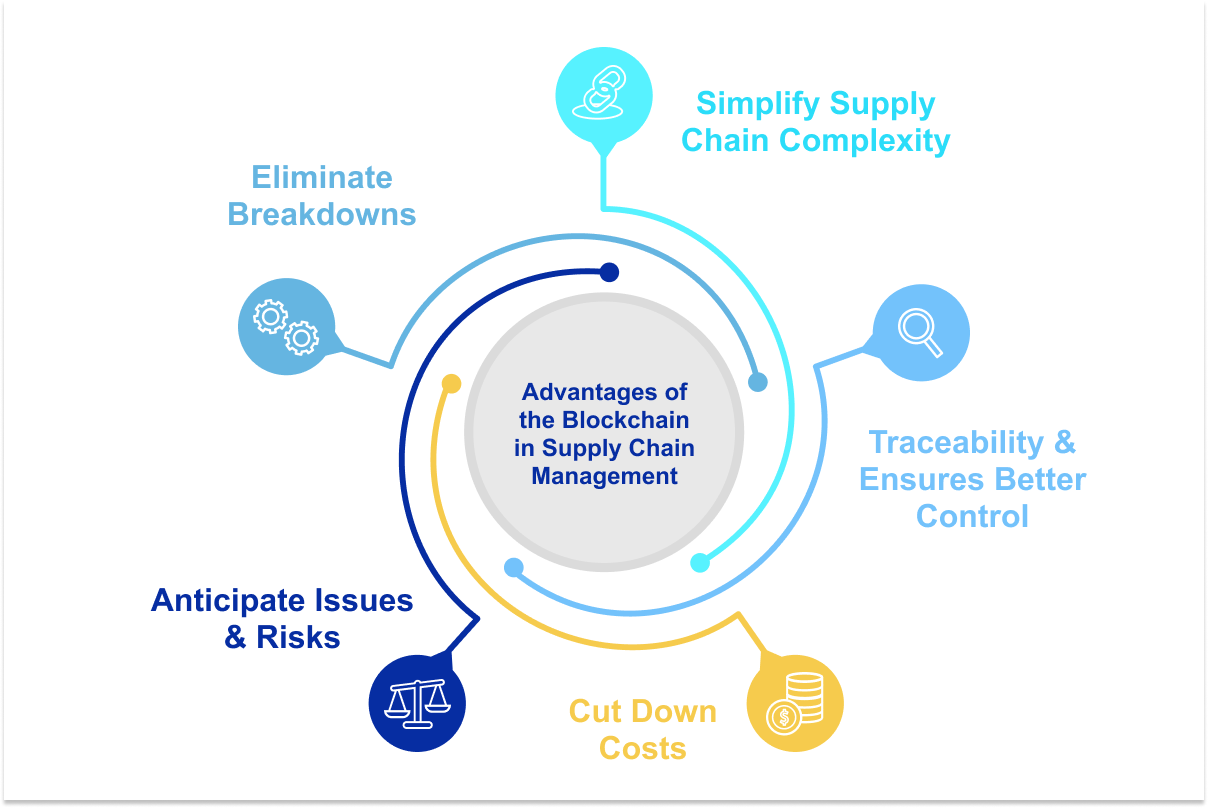
In an era where technology governs almost every aspect of our lives, the conversation surrounding modern supply chain management often lands on a noteworthy contender: blockchain technology. But how exactly does blockchain play a role in enhancing efficiency, transparency, and trust within supply chains? This article delves into the many facets of blockchain and its transformative impact on supply chain management, providing insights that are not only informative but also actionable for businesses of all sizes.
Understanding Blockchain Technology
Before we delve into the specifics of how blockchain enhances supply chain management, it’s essential to understand what blockchain is. At its core, blockchain is a decentralized ledger technology that records transactions across several computers. This means that once information is added to the blockchain, it cannot easily be altered or deleted. Each transaction is securely linked to the previous one, creating a “chain” of data that is transparent, traceable, and immutable.
This inherent transparency and security is what makes blockchain particularly appealing to supply chain management. In a conventional supply chain framework, various stakeholders—manufacturers, suppliers, distributors, and retailers—operate in silos, often leading to inefficiencies, discrepancies, and a lack of accountability. Blockchain technology promises to break down these barriers, paving the way for a more cohesive and integrated approach.
Enhancing Transparency and Traceability
One of the most significant benefits of blockchain in supply chain management is enhanced transparency. Each transaction recorded on the blockchain is visible to all parties involved in the supply chain. This level of transparency helps all stakeholders monitor product movements in real time, from raw material sourcing to final delivery.
For industries like food production, pharmaceuticals, and luxury goods, this traceability is crucial. For instance, if a foodborne illness outbreak occurs, blockchain can allow companies to trace the product back to its source quickly. This capability not only helps in managing recalls efficiently but also strengthens consumer trust. Customers increasingly demand transparency about where their products come from, and blockchain provides an effective solution to meet this demand.
Improving Efficiency through Automation
Blockchain also enables improved efficiency through the use of smart contracts. These self-executing contracts with the terms of the agreement directly written into code can automate various processes, from payment settlements to order tracking. By eliminating the need for intermediaries, smart contracts reduce delays and streamline operations.
Consider a scenario where a retailer receives a shipment. A smart contract can automatically initiate payment upon delivery confirmation, ensuring that transactions are completed swiftly and accurately. Automation means stakeholders save time and resources, allowing them to focus on more strategic activities rather than getting bogged down by administrative tasks.
Building Trust Among Stakeholders
Trust is a critical factor in supply chain management. With numerous parties involved, the potential for fraud, misinformation, and disputes rises significantly. Blockchain addresses this issue head-on. Since every transaction is recorded transparently and can be audited easily, stakeholders have greater confidence in the legitimacy of the information they receive.
Moreover, blockchain’s decentralized nature means that no single party controls the entire network. This collective oversight minimizes the potential for manipulation, fostering a culture of trust among suppliers, manufacturers, and consumers alike. As businesses aim for ethical practices and sustainability, blockchain solutions become increasingly attractive to ensure adherence to environmental and social governance (ESG) standards.
Facilitating Compliance and Risk Management
In today’s globalized market, compliance with regulations is more complex than ever. Supply chain managers must navigate an intricate web of local and international laws, making it challenging to stay compliant. Blockchain standards can aid in achieving compliance through immutable records that provide a clear audit trail.
For example, in the pharmaceutical industry, companies must comply with various regulatory requirements, including reporting and tracking of drugs to prevent counterfeiting. Blockchain can help verify the authenticity of pharmaceuticals through secure tracking from production to point-of-sale, vastly simplifying compliance processes.
Furthermore, each transaction recorded on the blockchain can serve as a reference point in risk management. By providing insights into supply chain vulnerabilities, organizations can identify potential risks and respond proactively rather than reactively—an essential shift in supply chain strategy.

- Overcome negative thought patterns, reduce stress, and live a worry-free life
- Overthinking is the biggest cause of unhappiness
- Don't get stuck in a never-ending thought loop
- Stay present and keep your mind off things that don't matter, and never will
- Break free of your self-imposed mental prison
Environmental Sustainability through Blockchain
Consumer awareness regarding environmental sustainability is rising, and brands are feeling the pressure to adopt greener practices. Blockchain can support these efforts by providing a clear, verifiable record of every step in the supply chain. By tracking the journey of products, companies can evaluate their carbon footprint and make more informed decisions to reduce waste.
For instance, companies in the fashion industry can leverage blockchain to promote their sustainable practices. By providing consumers with transparent information about the sourcing of materials and labor conditions, brands can reinforce their commitment to sustainability, appealing to socially conscious consumers.
Challenges to Overcome
Despite the numerous advantages of blockchain in supply chain management, the technology is not without its challenges. First and foremost is the issue of scalability. As supply chains grow in complexity, the volume of transactions recorded can be overwhelming for some blockchain systems, impacting performance and speed.
Additionally, while blockchain technology promises to improve transparency, it may inadvertently expose sensitive information to competitors. Striking a balance between transparency and confidentiality is essential to overcoming this hurdle.
Furthermore, the integration of blockchain into existing supply chain systems can be a complex and costly endeavor. Companies must evaluate their current infrastructure and determine whether blockchain solutions align with their long-term strategy. Adequate training and change management strategies must also be implemented to ensure stakeholders can effectively navigate the new system.
The Future of Blockchain in Supply Chain Management
As businesses continue to explore the transformative potential of blockchain technology, we can anticipate further innovations that will extend its application within supply chain management. The convergence of blockchain with other technologies, such as the Internet of Things (IoT) and artificial intelligence (AI), could yield even more comprehensive solutions for monitoring and optimizing supply chains in real-time.
For example, IoT devices can automatically record data from physical assets, while AI can analyze this data for actionable insights. When combined with blockchain’s secure and transparent ledger, these technologies can help companies better predict demand, manage inventory, and respond to disruptions.
Moreover, as the adoption of cryptocurrencies rises and digital wallets become mainstream, businesses may enhance their payment systems, leveraging blockchain to process transactions seamlessly and securely across borders.
Final Thoughts
The role of blockchain in supply chain management is poised to become increasingly vital as industries strive for greater efficiency, transparency, and sustainability. By integrating blockchain technology, businesses can revolutionize their supply chains, building trust among stakeholders and facilitating a new era of operational excellence.
For organizations looking to embrace this change, the first step is to educate themselves about blockchain and identify specific areas where its implementation could add value. As technology continues to evolve, remaining adaptable and innovative will be key to navigating the complexities of modern supply chains.
The future is bright for blockchain in supply chain management, and those who seize the opportunity to implement this game-changing technology stand to benefit greatly in the long run. Whether you’re a manufacturer, supplier, or retailer, now is the time to explore how blockchain can elevate your supply chain to the next level.


