
In today’s fast-paced business environment, startups are a vital source of innovation and creativity. As many entrepreneurs seek to revolutionize industries and address pressing societal needs, the question arises: how can startups effectively secure the funding necessary for growth? One significant source of capital that’s gaining traction is Corporate Venture Capital (CVC). This article delves into the role of CVC in scaling startups and highlights its impact on innovation and the broader economy.
Understanding Corporate Venture Capital
Corporate Venture Capital refers to investment funds that are backed by large corporations and are designed to invest in startup companies. Unlike traditional venture capital, which is primarily focused on financial returns, CVC often has strategic motives. Corporations may invest in startups to gain access to new technologies, enter new markets, or bolster their existing business models. This dual motivation of seeking financial returns while aligning with corporate objectives sets CVC apart and underscores its importance in the startup ecosystem.
The Rise of CVC
The last few years have witnessed rapid growth in CVC investments. According to PitchBook, CVC investments reached a record high in 2021, with numerous corporations establishing dedicated CVC arms to invest in innovative startups. Major players, including Google Ventures, Intel Capital, and Salesforce Ventures, have poured millions of dollars into promising companies, illustrating the growing influence of corporate investors in the startup landscape.
Why Do Startups Seek CVC?
1. Access to Capital
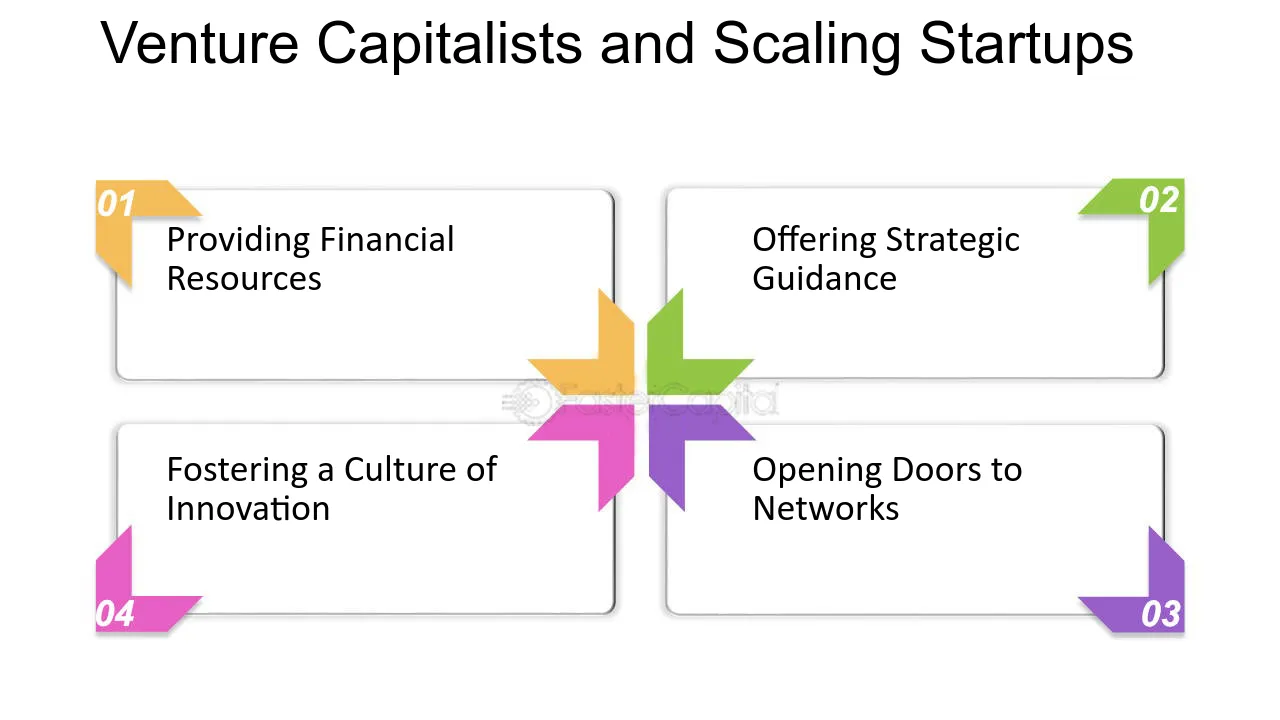
The primary reason startups seek Corporate Venture Capital is, of course, funding. Startups require capital to develop their products, hire talent, and scale operations. CVC can provide substantial amounts of funding that can help startups accelerate their growth trajectory. This capital is often critical during the early stages when traditional funding routes, such as private equity or bank loans, may not be available.
2. Strategic Support
Aside from financial backing, CVC offers strategic advantages to startups. When a corporate investor backs a startup, it often provides access to valuable resources, including expertise, networking opportunities, and market insights. For instance, a tech startup backed by a large software corporation may benefit from mentorship and guidance on software development and market deployment, significantly enhancing its competitive edge.
3. Market Validation
Securing investment from a well-known corporate venture is a strong vote of confidence for startups. This backing not only validates their business model but also enhances credibility in the eyes of other investors, customers, and partners. For many startups, gaining the trust and endorsement of a major corporation can lead to additional funding opportunities and strategic partnerships.
4. Pathway to Acquisitions
For some startups, a relationship with a corporate investor can serve as a pathway to future acquisition. Corporations are constantly searching for innovative solutions that can enhance their offerings or improve their processes. A successful partnership can set the stage for the corporate investor to acquire the startup, ensuring that the startup’s innovations are incorporated into the larger organization.
Factors Driving CVC Success
To understand the role of Corporate Venture Capital in scaling startups, it’s important to consider the factors contributing to CVC’s effectiveness and success.
Corporate investors often share similar goals with the startups they fund. For instance, both parties generally aim to create innovative solutions, capture new markets, and achieve growth. This alignment fosters collaboration and helps establish a synergistic environment where startups can thrive.
2. Innovative Ecosystems
CVC investments help cultivate vibrant innovative ecosystems. Large corporations typically invest in sectors that complement their strategic interests, which leads to a clustering of startups in specific domains. This can create a fertile environment for innovation, as startups gain access to similar resources and collaborations with complementary businesses.
3. Risk Mitigation
Investing in startups can be risky, but having a CVC partner can help mitigate this risk. Corporations often bring industry expertise, market knowledge, and established networks to the table, reducing the chances of failure for the startups they invest in. By leveraging these resources, startups can better navigate challenges and emergent market dynamics.

- Overcome negative thought patterns, reduce stress, and live a worry-free life
- Overthinking is the biggest cause of unhappiness
- Don't get stuck in a never-ending thought loop
- Stay present and keep your mind off things that don't matter, and never will
- Break free of your self-imposed mental prison
4. Faster Scaling
In many cases, CVC-backed startups can scale faster than those relying solely on traditional venture capital. Access to corporate resources and networks often enables startups to penetrate markets more quickly, secure partnerships, and reach customers more effectively. As startups leverage their corporate partners’ brand recognition and distribution channels, they can accelerate their go-to-market strategies.
Challenges to Consider
While Corporate Venture Capital offers numerous benefits, it is not without its challenges. Startups considering CVC investment should be aware of potential hurdles.
1. Conflicting Priorities
The alignment of goals may also lead to conflicting priorities between startups and their corporate investors. While startups may prioritize rapid growth, corporations may focus on long-term strategic objectives. These disagreements can lead to friction in the partnership and hinder progress.
2. Loss of Control
Startups often fear losing control over their direction when partnering with a large corporation. CVC investors may exert influence over major decisions, which can stifle the startup’s innovation and agility. The challenge lies in finding a balance between leveraging corporate resources and maintaining the startup’s entrepreneurial spirit.
3. Integration Challenges
As startups grow, they may face integration challenges when collaborating with corporate partners. The startup culture is often vastly different from that of larger corporations, leading to difficulties in communication, decision-making, and operational alignment.
The Future of CVC in Scaling Startups
The role of Corporate Venture Capital is expected to continue evolving as the startup landscape changes. Here are some trends that may shape the future of CVC in scaling startups:
1. An Increased Focus on Sustainability
As environmental and social responsibility gains prominence, corporate investors are likely to prioritize startups that align with sustainability goals. Startups that innovate in clean technology, renewable energy, or sustainable practices may find increased interest and support from CVC funds.
2. The Rise of Industry-Specific Funds
We may also see the emergence of more industry-specific CVC funds, focusing on particular sectors such as healthcare, fintech, or artificial intelligence. These funds may be better positioned to understand industry nuances and provide tailored support to startups, thus fostering more effective partnerships.
3. Greater Collaboration with Traditional Venture Capital
The lines between CVC and traditional venture capital may continue to blur as both seek to leverage each other’s strengths. Startups may benefit from a combination of funding sources that provide both financial resources and strategic support.
4. Enhanced Focus on Diversity and Inclusion
As corporations increasingly emphasize diversity and inclusion, CVC funds may also focus on investing in startups led by underrepresented founders. This could stimulate innovation and drive economic growth while promoting a more inclusive environment in the startup ecosystem.
Conclusion
In conclusion, Corporate Venture Capital plays a pivotal role in scaling startups by providing not only much-needed capital but also strategic support, market validation, and access to resources typically not available to early-stage companies. As the startup landscape continues to grow and evolve, CVC will likely become an even more critical player in fostering innovation and driving economic progress. For entrepreneurs seeking to make their mark, understanding and harnessing the power of Corporate Venture Capital could be a game changer on their path to success.
By choosing the right corporate partners and navigating the complex dynamics of CVC, startups have the opportunity to scale effectively, transform industries, and contribute to a vibrant and diverse economy. As we look ahead, embracing the collaborative potential of CVC could lead us to remarkable innovations that redefine the business landscape.


