
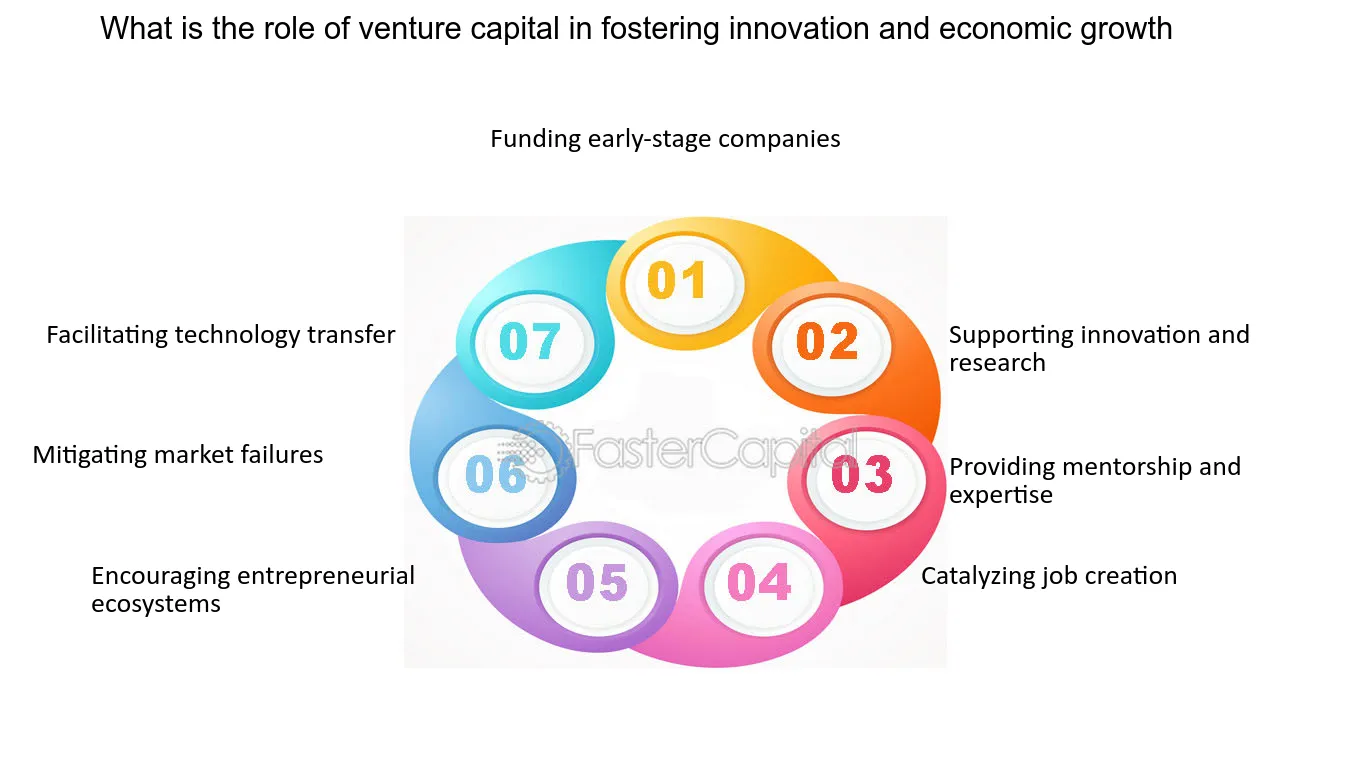
In today’s rapidly evolving economic landscape, the importance of innovation cannot be overstated. Companies that prioritize innovative solutions often find themselves at the forefront of their industries, reaping the rewards of increased market share, customer loyalty, and sustainable growth. But what fuels this relentless drive toward innovation? One significant player in this equation is venture capital (VC). Understanding the role of venture capital in fostering innovation is essential for entrepreneurs, investors, and policymakers alike.
What Is Venture Capital?
Venture capital is a form of private equity financing that is provided by investors to startups and small businesses with high growth potential. These investors, also known as venture capitalists, supply capital in exchange for equity, or ownership stake, in the company. This funding is crucial for startups, particularly in their early stages when traditional financing options like bank loans may not be feasible.
Venture capital funding usually comes with a wealth of knowledge, networks, and mentorship—resources that can be as valuable as the monetary investment itself. This relationship can help propel companies forward in their innovation journey.
The Link Between Venture Capital and Innovation
1. Funding High-Risk Projects
One of the most significant roles venture capital plays in fostering innovation is its ability to finance high-risk, high-reward projects. Traditional lenders often shy away from investments in startups because of the substantial risk involved. However, venture capitalists are more willing to take on that risk, understanding the potential for groundbreaking advancements and significant returns.
Innovative tech startups in particular, often require substantial upfront investment for research and development. Venture capital can provide the necessary funds to explore new ideas, develop prototypes, and conduct market testing.
2. Accelerating Growth
Once a startup secures venture capital, it typically accelerates its growth trajectory. The influx of funds allows companies to scale quickly, expand their teams, and enhance their product offerings. This rapid growth cycle can result in the quick iteration and implementation of innovative ideas, enabling startups to respond rapidly to market demands and consumer feedback.
Consider how companies like Airbnb and Uber used venture capital to juggle rapid scaling and constant innovation. With financial backing, they could quickly enhance their platforms and expand into new markets, often outpacing competitors.
3. Enhancing Credibility and Visibility
Securing venture capital can also enhance a startup’s credibility. When a reputable VC firm invests in a company, it sends a signal to the market that the business has viability and potential. This can attract further investment, partnerships, and even top talent, all of which contribute to a more innovative and competitive business environment.
For instance, startups that have received investment from well-known VC firms like Sequoia Capital or Andreessen Horowitz often gain immediate recognition and credibility. This can lead to increased interest from both consumers and potential business partners, further propelling their innovative endeavors.
4. Strategic Guidance and Mentorship
Beyond financial support, venture capitalists often bring valuable experience and knowledge to the table. Many VCs have extensive backgrounds in entrepreneurship and industry-specific expertise. They can provide strategic guidance to startups, helping them navigate challenges and refine their business models.
This mentorship can lead to more effective innovation strategies. For instance, a VC with a background in technology might counsel a startup on the latest trends in artificial intelligence, encouraging them to incorporate these advancements into their product development. This guidance can help startups think innovatively and stay ahead of the curve.
5. Increasing Competition and Driving Efficiency
Venture capital fuels competition in the marketplace by providing funding to various startups vying for the same market share. This competition drives companies to continually innovate to differentiate themselves from their competitors.
As startups are forced to stay ahead of one another, they often invest in research and development, creating a cycle of continuous innovation. Additionally, the competitive environment encourages companies to streamline their operations and improve efficiency, further driving the innovation process.
6. Diverse Portfolio of Innovations
Venture capital firms often maintain diversified portfolios, investing in a range of sectors such as technology, healthcare, clean energy, and more. This diversity ensures that innovation occurs across various industries, tackling an array of societal challenges.
For example, while one VC-backed company might focus on revolutionizing healthcare delivery, another could be addressing renewable energy solutions. This broad investment strategy fosters a culture of innovation that addresses multiple societal and economic needs simultaneously.

- Overcome negative thought patterns, reduce stress, and live a worry-free life
- Overthinking is the biggest cause of unhappiness
- Don't get stuck in a never-ending thought loop
- Stay present and keep your mind off things that don't matter, and never will
- Break free of your self-imposed mental prison
Challenges Faced by Venture Capital in Innovation
While the relationship between venture capital and innovation is largely positive, there are significant challenges that can impact this dynamic.
1. Short-Term Focus
Venture capitalists are often focused on achieving quick returns on their investments, usually within a five to ten-year timeframe. This pressure for rapid growth can lead startups to prioritize short-term gains over long-term innovation. The quest for quick returns might discourage companies from pursuing transformative, yet time-consuming, projects that could redefine industries.
2. Limited Funding for Non-Tech Industries
Venture capital has a notorious bias towards tech startups, which can overshadow opportunities in other sectors. While innovation is vital across various industries, companies in fields like manufacturing or agriculture may find it challenging to secure venture funding, even if they offer groundbreaking solutions.
3. Overvaluation
The fervor surrounding venture-backed startups can result in overvaluation, leading to inflated expectations. When companies operate under unrealistic benchmarks for success, it can stifle genuine innovation efforts and lead to market corrections that harm previously funded companies.
4. Exit Strategy Pressures
Venture capitalists usually seek exits through mergers, acquisitions, or public offerings. This exit strategy can pressure startups to change their focus away from innovation and towards growth metrics that are attractive to potential buyers or shareholders.
The Future of Venture Capital and Innovation
As we look to the future, the role of venture capital in fostering innovation will likely continue to evolve. Several trends are beginning to shape this landscape:
1. Emphasis on Sustainable Innovation
With an increasing focus on sustainability, venture capitalists are starting to invest in startups that prioritize environmental, social, and governance (ESG) factors. This shift can pave the way for innovations aimed at addressing climate change, waste reduction, and other pressing global challenges.
2. Emergence of Diverse Funding Solutions
Alternative funding mechanisms, such as crowdfunding platforms, are gaining traction among startups seeking capital. This democratization of capital can complement traditional venture capital and encourage innovative solutions from a wider array of industries and backgrounds.
3. Technology-Driven Innovation
As technology continues to advance, new sectors will emerge, challenging VC firms to adapt their investment strategies. Domains such as biotechnology, blockchain, and artificial intelligence are poised to attract significant venture capital. The intersection of these technologies with traditional industries could yield unprecedented opportunities for innovation.
4. Increased Scrutiny and Accountability
As venture capital and innovation come under scrutiny for their economic and social impacts, VCs may increasingly turn to metrics that assess the long-term value created by their investments. This could encourage a more balanced approach to funding—one that prioritizes sustainable and responsible innovation.
Conclusion
The role of venture capital in fostering innovation cannot be ignored. From financing high-risk projects to providing strategic guidance, VCs play a fundamental role in propelling innovative startups forward. However, challenges such as short-term focus and limited sector diversity must be navigated carefully. As the landscape continues to evolve, the relationship between venture capital and innovation will remain crucial in shaping the future of industries and addressing the various challenges our society faces. Embracing this dynamic and understanding its implications will be vital for entrepreneurs, investors, and decision-makers looking to foster the next wave of groundbreaking innovation.
This understanding is not just essential for those in the investment or entrepreneurial spaces, but also for consumers and the broader society that ultimately benefits from the innovations that arise from this unique partnership. By recognizing and leveraging the potential of venture capital, we can help pave the way for a brighter, more innovative tomorrow.


