
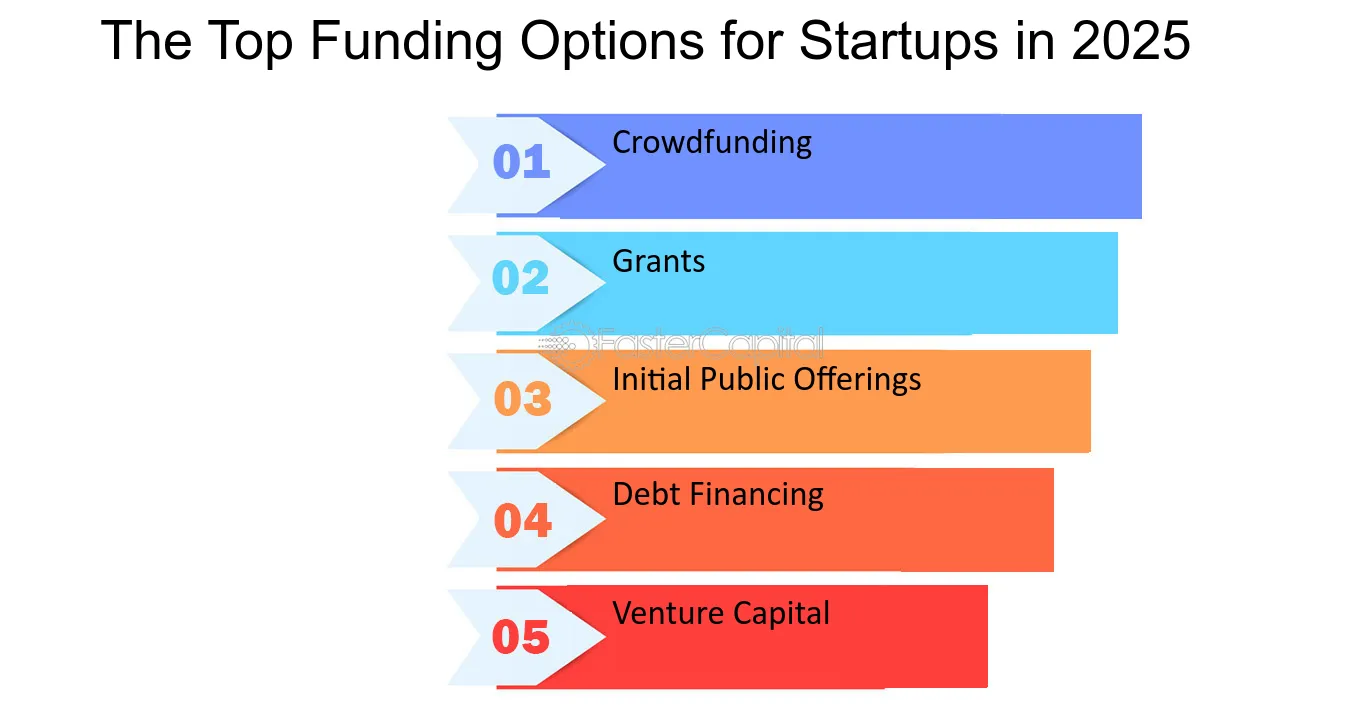
As we approach 2025, the landscape of crowdfunding continues to evolve, offering entrepreneurs various avenues to secure the essential funding they need for their startups. Crowdfunding has become a revolutionary method for businesses to raise capital, engage with potential customers, and build a community around their products. If you’re considering launching a startup or need additional funding for an existing idea, it’s vital to select the right platform to help meet your goals. In this article, we’ll explore the top five crowdfunding platforms that will be trending in 2025, looking closely at their unique features, pros, cons, and success stories.
Why Crowdfunding? The Growing Need for Alternative Financing
In today’s dynamic economic environment, traditional financing options like bank loans and venture capital can be incredibly challenging to obtain, especially for startups. Crowdfunding offers a viable solution, enabling entrepreneurs to gather funding from a broad audience through online platforms. With the rise of social media and increased digital literacy, reaching potential backers has never been easier.
Crowdfunding allows entrepreneurs to showcase their projects, test market demand, and build an engaged customer base—all before launching their products. The trend is kept not merely by necessity but by the innovative nature of communities coming together to support new ideas that resonate with them.
The Top 5 Crowdfunding Platforms for Startups in 2025
1. Kickstarter: The Pioneer
Overview:
Kickstarter has been a leading name in the crowdfunding landscape since its inception in 2009. Mainly catering to creative projects, the platform has gained traction for tech, design, and innovative startup ventures.
Key Features:
- All-or-nothing funding model: If you don’t reach your funding goal, you don’t receive any funds.
- An extensive network of backers who are passionate about supporting new ideas.
- Easy-to-use platform with a user-friendly interface.
Pros:
- Strong reputation and credibility.
- Access to a large community of potential backers.
- Good track record of successful projects leading to product launches.
Cons:
- Competition is high; it can be challenging to stand out.
- All-or-nothing model puts pressure on startups to meet their funding goals.
Success Story:
One of the most recognizable success stories from Kickstarter is the Pebble Smartwatch, which raised $10.3 million from nearly 69,000 backers. It became an innovation benchmark for smart technology products.
2. Indiegogo: The Flexible Option
Overview:
Indiegogo is another major player in the crowdfunding space that caters to various industries, including technology, film, and social causes. Its flexibility sets it apart, offering both all-or-nothing and flexible funding options.
Key Features:
- Flexible funding: You can keep whatever amount you raise even if you don’t meet your goal.
- InDemand feature for ongoing funding after the campaign ends.
- Marketplace for backers to buy products directly.
Pros:
- Greater financial security due to the flexible funding option.
- Tools for ongoing sales through the InDemand feature.
- A diverse range of project categories increases visibility.
Cons:
- Less stringent campaign vetting can sometimes result in lower-quality projects.
- A potentially less engaged backer community compared to Kickstarter.
Success Story:
A notable campaign was the Flow 2 Smart Yoga Mat, which raised over $1 million. Its success can be attributed to a targeted audience and effective marketing, showcasing Indiegogo’s potential for niche products.
3. GoFundMe: The Personal Touch
Overview:
While best known for personal fundraising, GoFundMe has expanded to include projects and business ventures. It’s primarily seen as a platform for individuals and charitable causes.
Key Features:
- Easy setup for personal and business fundraising campaigns.
- No platform fees for personal causes; keep what you raise.
- A strong community of supporters willing to donate for great causes.
Pros:
- The platform’s familiarity makes it easy to share campaigns on social media.
- Accessible for entrepreneurs looking for community support.
- Excellent for projects with a social good component.

- Overcome negative thought patterns, reduce stress, and live a worry-free life
- Overthinking is the biggest cause of unhappiness
- Don't get stuck in a never-ending thought loop
- Stay present and keep your mind off things that don't matter, and never will
- Break free of your self-imposed mental prison
Cons:
- Lack of investment and equity-based funding options.
- Higher reliance on donations rather than investment, which may not suit all startup goals.
Success Story:
One compelling case was a Chicago man who raised funds for his food start-up, which generated significant community interest and support, allowing him to launch successfully.
4. SeedInvest: For Equity Crowdfunding
Overview:
As the demand for equity crowdfunding grows, SeedInvest has emerged as a top platform for startups looking to raise capital in exchange for equity. It offers accredited investors the opportunity to invest in early-stage startups.
Key Features:
- Focus on equity-based crowdfunding, allowing backers to own a piece of the company.
- Comprehensive vetting process that helps ensure the quality of the startups.
- Access to a network of accredited investors.
Pros:
- Serious investors often lead to substantial capital influx.
- Builds credibility for your startup through the rigorous application process.
- Long-term relationships with investors who may provide ongoing support.
Cons:
- Limited to accredited investors, which may restrict your audience.
- A complex application process can be time-consuming.
Success Story:
One notable seed-funded startup is Raden, a luggage company that raised over $1 million. It demonstrated a successful blend of innovative design and a compelling equity raise.
5. Fundable: SaaS Solutions for Startups
Overview:
Fundable caters specifically to the needs of startups seeking a fast and straightforward way to handle fundraises. It offers both rewards and equity crowdfunding options.
Key Features:
- Dual model allows startups to choose between rewards and equity.
- Integration with CRM tools for managing investor relations.
- Built-in marketing features to promote online campaigns.
Pros:
- Versatile platform that can be tailored to different business models.
- Harnesses the power of Software as a Service (SaaS) tools to streamline fundraising efforts.
- Access to a community of investors interested in startup innovation.
Cons:
- Monthly fees can deter early-stage startups with tight budgets.
- Less well-known than some other platforms, which might impact visibility.
Success Story:
A notable campaign on Fundable was Parcel, which developed an innovative shipping solution and successfully raised funds using both rewards and equity approaches.
Making Your Choice
With diverse platforms catering to unique needs, selecting the best crowdfunding option for your startup in 2025 will depend on various factors:
- Type of Funding Needed: Determine whether you want to offer rewards or equity to your backers.
- Target Audience: Identify where your potential backers are likely to engage the most.
- Product/Service Type: Certain platforms might suit specific industries better, so align your choice accordingly.
- Support Structure: Evaluate each platform’s support services, marketing features, and investor relationship management tools.
Final Thoughts: The Future of Crowdfunding
As we transition into 2025, crowdfunding will continue to evolve, tapping into emerging technologies and trends. From blockchain fundraising to improved investor protections, the future is promising for entrepreneurs seeking alternative funding methods. Exploring these top crowdfunding platforms can significantly boost your startup’s chances of success.
In the digital economy, where collaboration is key, crowdfunding epitomizes the power of community. The path to funding your startup may well be just a campaign away, armed with the knowledge of the right platform to meet your needs. So, are you ready to launch?
Conclusion
By understanding the strengths and weaknesses of each crowdfunding platform, you’ll be better equipped to choose the best fit for your startup in 2025. Remember, the key to a successful campaign isn’t solely reliant on the platform you choose but also on how effectively you can tell your story, engage your audience, and execute your vision.
Now, step into the realm of crowdfunding and transform your entrepreneurial dream into reality!


