
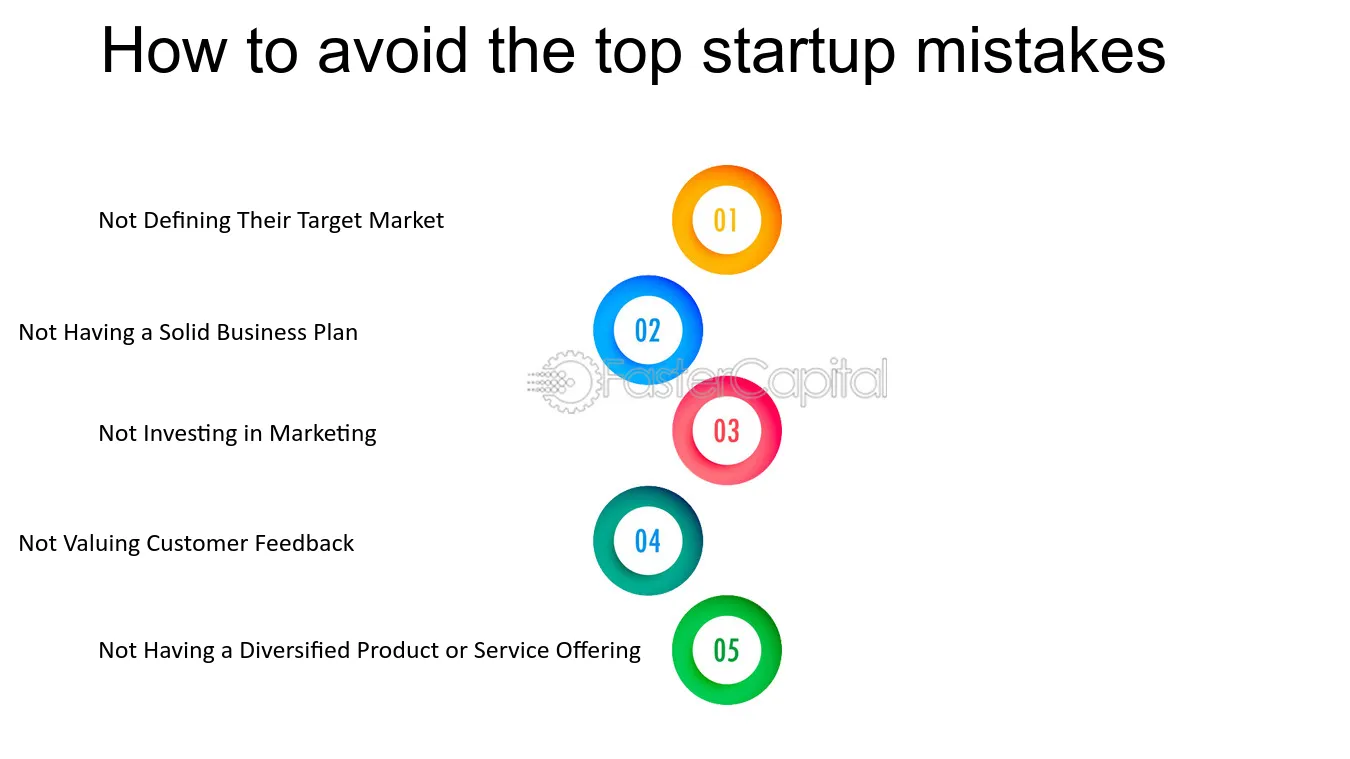
Starting a new business is an exhilarating journey filled with dreams, ambitions, and the promise of success. However, it can also be fraught with challenges that can hinder growth and lead to failure. In fact, statistics show that nearly 20% of startups fail within their first year, and about 50% do not make it to the five-year mark. Understanding the common pitfalls and missteps can help aspiring entrepreneurs navigate this tricky terrain. In this SEO-friendly article, we’ll explore the top mistakes startups make and provide actionable advice on how to avoid them.
1. Neglecting Market Research
The Mistake: One of the most significant errors that new startups make is not conducting thorough market research before launching their products or services. Skipping this crucial step can lead to misaligned offerings that don’t meet consumer needs.
How to Avoid It: Invest time in comprehensive market research. Identify your target audience, understand their pain points, and analyze your competitors. Utilize surveys, interviews, and focus groups to gather insights. Tools like Google Trends, SEMrush, and social media analytics can also aid in understanding market sentiment and demand.
Example:
Imagine you’re launching a vegan snack bar without researching whether your target audience even consumes vegan products. By conducting market research, you could discover a significant segment of health-conscious consumers eagerly seeking clean-label snacks, allowing you to tailor your product accordingly.
2. Ignoring Financial Planning
The Mistake: Many startups underestimate the importance of a solid financial plan. This oversight can lead to cash flow issues, inability to sustain operations, and ultimately, bankruptcy.
How to Avoid It: Develop a detailed financial plan that outlines your startup costs, projected sales, and expenses. Consider working with a financial advisor or using accounting software to create realistic forecasts. Regularly review and update your financial plan to adapt to any market changes or unexpected challenges.
Example:
A tech startup may launch its product without a clear understanding of how much it will cost to maintain servers and handle software updates. Without financial foresight, they could quickly burn through their initial investments, leaving them unable to scale their operations.
3. Overlooking Marketing Strategies
The Mistake: A common misconception among founders is that having a great product or service alone guarantees success. Unfortunately, if no one knows about it, your startup will struggle to gain traction.
How to Avoid It: Consider developing a multi-faceted marketing strategy that incorporates both online and offline methods. Utilize social media, content marketing, SEO, and email campaigns to build a community around your brand. Remember, consistent branding and messaging are key.
Example:
Imagine a fitness app that relies solely on word of mouth for growth. By employing targeted advertising on platforms like Facebook or Google Ads, they can reach a wider audience and attract users who are actively searching for fitness solutions.
4. Failing to Build a Strong Team
The Mistake: Startups often start small, and it’s tempting to wear many hats. However, failing to build a well-rounded team with diverse skills can lead to burnout and inefficiency.
How to Avoid It: Hire individuals who complement your skill set and add value to the business. Focus on their attitude, aptitude, and alignment with your vision, not just their resume. Cultivate a supportive company culture to retain your talent.
Example:
A tech entrepreneur might excel in software development but lacks marketing expertise. By bringing in a team member with marketing experience, they can balance the technical and promotional aspects, leading to more effective campaigns.
5. Skipping Legal Considerations
The Mistake: Many startups neglect to establish a legal framework, thinking it’s unnecessary or too expensive. However, operating without proper legal guidance can lead to intellectual property issues, compliance violations, and liability risks.
How to Avoid It: Consult with a legal professional to understand the various legal requirements relevant to your business, such as licenses, permits, and contracts. Ensure you have the necessary protections in place, such as trademarks and non-disclosure agreements.
Example:
A startup creating original software might fail to trademark its brand, leading to potential disputes and loss of identity if a competitor adopts a similar name or product.

- Overcome negative thought patterns, reduce stress, and live a worry-free life
- Overthinking is the biggest cause of unhappiness
- Don't get stuck in a never-ending thought loop
- Stay present and keep your mind off things that don't matter, and never will
- Break free of your self-imposed mental prison
6. Not Pivoting When Necessary
The Mistake: Many startups stick rigidly to their initial vision, even when it becomes clear that their approach isn’t working. This inability to pivot can squander valuable resources and time.
How to Avoid It: Cultivate a mindset of flexibility. Regularly assess your business model and performance. Be ready to collect feedback from customers and analyze data that could indicate a need for change. Embrace the possibility of altering your product or service to better meet market demand.
Example:
A company developing a food delivery app may initially target gourmet restaurants. However, after realizing the increasing trend toward convenience and affordability, they pivot to partner with fast-casual dining options, thus better aligning with consumer preferences.
7. Underestimating Time Commitment
The Mistake: Startups often underestimate the amount of time and effort required to launch and grow a business. This miscalculation can lead to stress and burnout.
How to Avoid It: Set realistic timelines for achieving milestones and deliverables. Understand that entrepreneurship is a marathon, not a sprint. Prioritize work-life balance to maintain passion and creativity.
Example:
An entrepreneur might assume they can juggle the startup while maintaining a full-time job. Failing to allocate sufficient time to their venture can lead to missed deadlines, poor-quality work, and ultimately, lack of progress.
8. Neglecting Customer Feedback
The Mistake: Startups tend to be so focused on their vision that they forget to listen to their customers. Ignoring feedback can lead to product features that don’t resonate or solve actual problems.
How to Avoid It: Implement channels to gather customer feedback regularly. Use surveys, product reviews, and social media engagement to gauge customer satisfaction. Adjust your offerings based on the insights you gather and involve customers in the development process.
Example:
A cosmetics startup may introduce a new shade of lipstick without consulting their loyal customers. If feedback reveals that consumers prefer a different color, the startup could pivot and save the product from poor sales.
9. Overextending Too Quickly
The Mistake: Many startups become too ambitious and attempt to expand too soon. Scaling without proper infrastructure can lead to inconsistent products or services and customer dissatisfaction.
How to Avoid It: Prioritize sustainable growth. Focus on refining your product and establishing a loyal customer base before considering expansion. Analyze your business metrics to determine when the time is right to scale.
Example:
A food truck business might experience initial success and attempt to open multiple locations before solidifying its operational processes. This rush could lead to service issues and a decline in quality, ultimately harming their brand.
10. Avoiding the Use of Technology
The Mistake: In this digital age, failing to use technology effectively can result in inefficiencies and a lack of competitiveness. Some startups resist adopting new technologies, fearing complexity or costs.
How to Avoid It: Stay updated with industry-related technologies that can enhance efficiency—whether it’s project management software, customer relationship management (CRM) systems, or data analytics tools. Invest in the technology that aligns with your business needs.
Example:
A retail startup may neglect to implement an inventory management system, leading to overstocking or stockouts. By utilizing the right technology, they can optimize inventory levels and enhance customer satisfaction.
Conclusion
Starting a business can be incredibly rewarding, but navigating the myriad challenges that come with entrepreneurship requires foresight, planning, and adaptability. By being aware of common pitfalls and learning how to avoid them, aspiring entrepreneurs can set their startups on a path to success. Remember, every mistake is a learning opportunity. Embrace the journey and use every experience as a stepping stone towards achieving your dreams.
Further Reading
- Books: “The Lean Startup” by Eric Ries
- Podcasts: “How I Built This” by Guy Raz
- Websites: StartUpNation, Entrepreneur, and Inc.
By learning from the mistakes of others and implementing best practices, you can increase the likelihood of your startup thriving in a competitive landscape. So, take your ideas, your plans, and your passion—and let’s build something amazing!


