
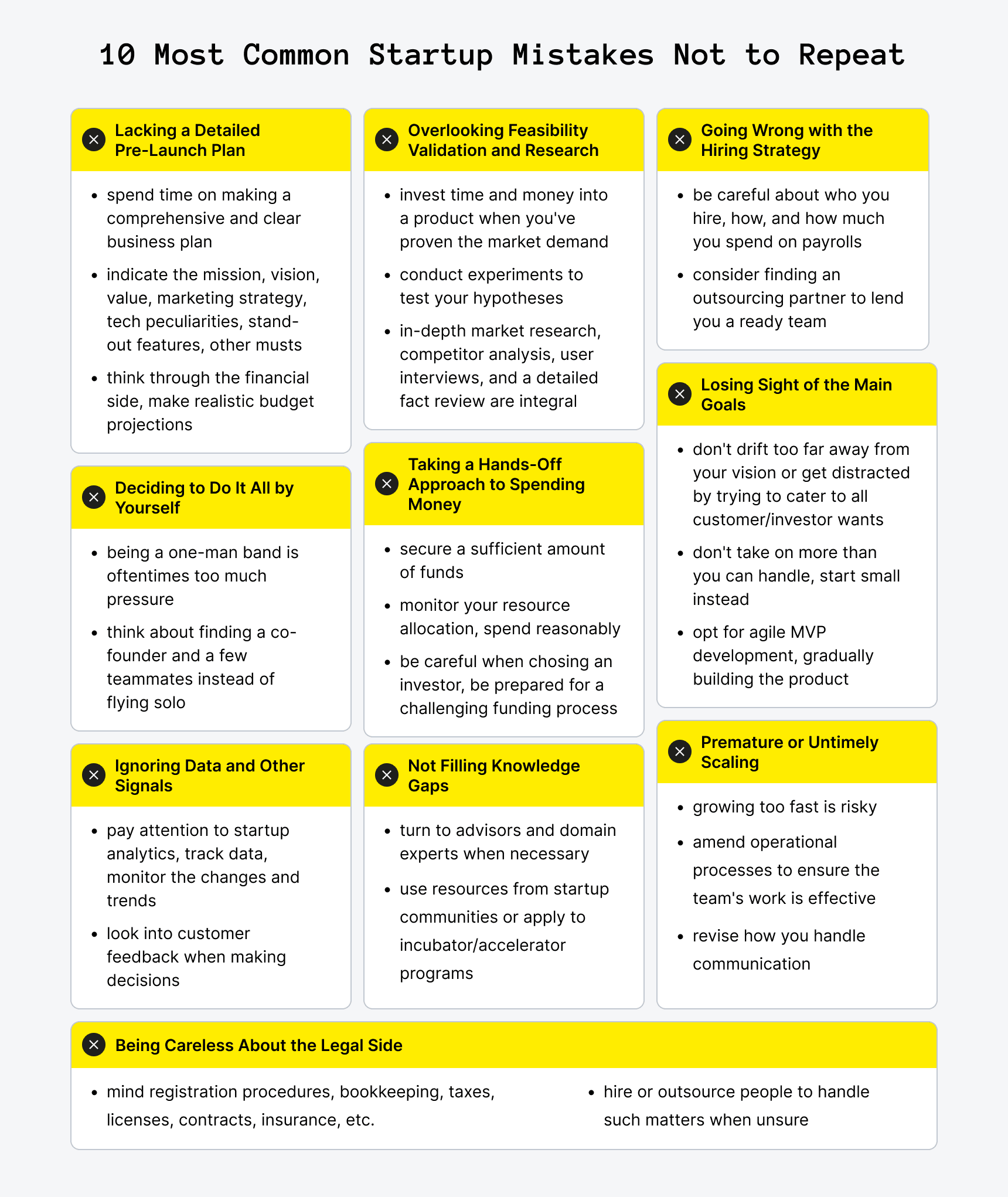
Starting a business is an exhilarating adventure, filled with the thrill of innovation and the promise of potential success. However, the path to entrepreneurship can be riddled with pitfalls, and understanding these common missteps is crucial for anyone looking to launch a successful startup. In this article, we’ll explore the top mistakes to avoid when starting your entrepreneurial journey, ensuring you’re equipped for the challenges ahead.
1. Neglecting Market Research
One of the most significant errors entrepreneurs can make is diving into a startup without comprehensive market research. It’s easy to get excited about an idea and assume that everyone will love it. However, without validating your concept through research, you risk launching a product or service that no one wants.
Solution: Conduct Thorough Market Research
Before you invest time and resources, take the time to understand your target audience. Use surveys, interviews, and focus groups to gather valuable insights. Analyze your competition and identify market gaps. This foundational research will help you tailor your offering to meet actual consumer needs, advancing your chances for success.
2. Underestimating Startup Costs
Many first-time entrepreneurs underestimate the costs involved in launching a business. While it’s common to expect expenses like product development and marketing, hidden costs often emerge, leading to budget overruns and financial stress.
Solution: Create a Detailed Financial Plan
Begin with a comprehensive budget that includes all foreseeable expenses—from initial startup costs to operational expenses for at least the first year. Don’t forget to include a buffer for unexpected costs. Understand your funding options and ensure you have enough capital to sustain your business through the early stages until it starts generating revenue.
3. Ignoring Legal Requirements
Starting a business comes with a plethora of legal obligations, from registering your business name to obtaining necessary permits and licenses. Ignoring legal requirements not only jeopardizes your business but can also result in hefty fines and unnecessary delays.
Solution: Get Legal Help
Consider hiring a legal expert to assist you in understanding your business structure options, tax obligations, and other legal requirements. Being proactive about compliance can save you significant trouble down the line and ensure that your business begins on a solid legal foundation.
4. Failing to Define Your Target Audience
Entrepreneurs sometimes make the mistake of trying to appeal to everyone. While it may seem like a good strategy to cast a wide net, failing to define and understand your target audience can lead to wasted resources and ineffective marketing efforts.
Solution: Create Buyer Personas
Invest time in developing detailed buyer personas—fictional characters that represent your ideal customers. Understand their demographics, preferences, pain points, and buying behaviors. This knowledge will guide your product development, marketing strategies, and customer engagement efforts, ultimately leading to a more tailored and effective business approach.
5. Skimping on Marketing
In the early days of a startup, it’s easy to underestimate the importance of marketing. Some entrepreneurs initially focus solely on product development and think that great products will sell themselves. This is a common trap and a serious miscalculation.
Solution: Develop a Comprehensive Marketing Strategy
Craft a detailed marketing plan that outlines how you will promote your business. Utilize digital marketing strategies, content marketing, social media, and email campaigns to create buzz and attract potential customers. Don’t forget to measure and analyze your marketing efforts to adjust your strategy as needed.
6. Ignoring Customer Feedback
Many startups are born from a founder’s vision; however, ignoring customer feedback can lead to significant disconnects between what you offer and what consumers want. Neglecting to listen to your customers means missing out on valuable insights that can improve your product and customer experience.
Solution: Actively Seek and Apply Feedback
Establish multiple channels to gather customer feedback, such as surveys, interviews, or social media engagement. Make it a priority to understand their thoughts on your product and overall experience. Adapt your offering based on this feedback to better meet their needs.
7. Not Building a Strong Team
Launching a startup is rarely a solo endeavor. Many entrepreneurs overlook the importance of building a capable and aligned team. A weak or mismatched team can lead to internal problems that disrupt progress and hinder your startup’s growth.
Solution: Assemble a Diverse and Talented Team
Take the time to hire individuals who not only possess the necessary skills but also share your vision and values. Prioritize team dynamics and foster a company culture that encourages collaboration and innovation. Investing in your team will pay dividends in productivity and creativity.
8. Overlooking the Competition
While it’s essential to focus on your unique value proposition, failing to acknowledge or understand your competition can be detrimental. Many entrepreneurs operate in a bubble, disregarding existing players in the market.

- Overcome negative thought patterns, reduce stress, and live a worry-free life
- Overthinking is the biggest cause of unhappiness
- Don't get stuck in a never-ending thought loop
- Stay present and keep your mind off things that don't matter, and never will
- Break free of your self-imposed mental prison
Solution: Conduct Competitive Analysis
Regularly analyze competitor strategies, pricing, and customer engagement to understand what’s working and what’s not. Identifying their strengths and weaknesses will help you differentiate your offering and find strategies for gaining a competitive edge.
9. Chasing Perfection
One of the most common issues new entrepreneurs face is the desire to launch a “perfect” product. This obsession can lead to endless tweaking and procrastination, delaying your go-to-market strategy.
Solution: Embrace the MVP Approach
Instead of pursuing perfection, focus on creating a Minimum Viable Product (MVP)—a version of your product that offers just enough features to satisfy early adopters. Gather feedback, make improvements, and iterate as you go. This lean approach allows you to test the market quicker and reduces the chance of wasted time and resources.
10. Failing to Network
Networking is often overlooked by new entrepreneurs who believe their business idea alone will carry them. However, building a network of connections can provide you with valuable resources, mentorship, advice, and potential partnerships that can elevate your startup.
Solution: Attend Events and Engage Online
Get involved in your industry’s events, workshops, and networking meet-ups. Utilize social media platforms like LinkedIn to engage with other professionals in your field. Building relationships with mentors and peers can provide you with insights that enhance your business decisions.
11. Overextending Your Resources
Starting a new venture often leads to the temptation to expand quickly, whether through an overabundance of product offerings or entering multiple markets simultaneously. This eagerness can stretch your resources too thin, leading to burnout and poor performance.
Solution: Focus on Your Core Offerings
Start small, concentrating on your core products or services and the audience you can serve well. Build your reputation, refine your processes, and only expand when you have the infrastructure and resources to do so without compromising quality.
12. Not Planning for the Long Term
Entrepreneurs tend to get caught up in the day-to-day operations, neglecting broader business strategies and long-term goals. Without a clear vision for the future, you risk losing focus and direction.
Solution: Develop a Strategic Business Plan
Create a comprehensive business plan that outlines your vision, goals, and strategies for growth over time. Regularly revisit and adjust this plan as needed. Having a long-term roadmap ensures your day-to-day efforts align with your overall objectives.
13. Poor Time Management
Time is one of the most precious resources for any entrepreneur. Poor time management can lead to missed deadlines, increased stress, and a decline in productivity.
Solution: Prioritize and Delegate Tasks
Utilize project management tools to organize tasks, set deadlines, and track progress. Prioritize your day-to-day activities based on their impact on your overall goals. Learn to delegate responsibilities to your team to free up your time for strategic planning and decision-making.
14. Lacking a Sales Strategy
In the hustle to get your startup off the ground, some new entrepreneurs forget about the importance of sales. Without a sales strategy, you may have a great product that goes unnoticed.
Solution: Develop a Sales Plan
Create a clear sales strategy that outlines how you will attract and convert customers. This includes identifying your sales funnel, establishing lead-generation tactics, and nurturing relationships with potential clients. Regularly review and fine-tune your approach to maximize your sales efforts.
15. Ignoring Work-Life Balance
The startup culture often glorifies the “hustle”—pushing founders to work tirelessly at the expense of their health and personal lives. This mentality can lead to burnout and decreased productivity over time.
Solution: Set Boundaries
Establish a healthy work-life balance by setting boundaries for your work hours and personal time. Prioritize self-care and ensure that you take breaks to recharge. A well-rested and healthy entrepreneur is more likely to make better decisions and drive their startup to success.
Conclusion
Launching a startup is a journey filled with challenges, and the mistakes you make along the way can significantly impact your business’s potential for success. By recognizing and avoiding these common pitfalls, you can position yourself strategically for growth and profitability. Remember, every entrepreneur’s path is unique, but learning from the experiences of others can provide invaluable insights as you embark on your entrepreneurial adventure. So, equip yourself with knowledge, remain adaptable, and stay focused on your vision—you’ll be glad you did!
Happy start-up launching!


