
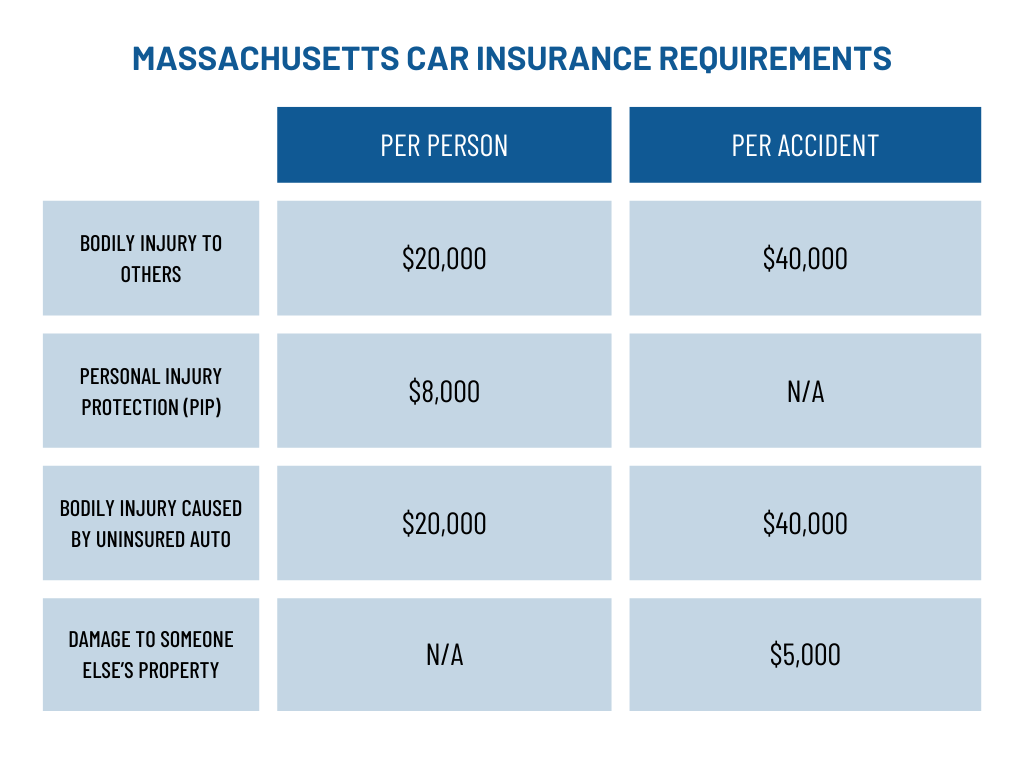
Purchasing auto insurance for the first time can feel overwhelming, especially for those who are new to the world of car ownership. With an array of policies, coverage types, and terms to consider, it’s important to equip yourself with the knowledge needed to make informed decisions. Whether you’re a new driver or transitioning to owning your first vehicle, understanding the basics of **auto insurance coverage** will not only help you comply with legal requirements but also provide peace of mind in case of unexpected accidents or damages.
At its core, auto insurance is designed to protect you financially from the risks associated with driving. Depending on the type of policy you choose, it can cover everything from accident-related medical expenses to repairs or replacement of your vehicle. For **first-time buyers**, navigating the options and choosing the right coverage can be daunting, but breaking it down step by step makes the process manageable. By understanding key terms, coverage levels, and what’s legally required in your state, you’ll be ready to select a plan that aligns with your needs and budget.
Before diving in, it’s essential to familiarize yourself with the different types of **car insurance coverage** available. The following guide will outline the primary coverage types, explain how they work, and help you determine which ones are essential for your situation. Once you’ve grasped the basics, you’ll feel confident in making a choice that secures your safety and protects your investment.
Understanding Auto Insurance Coverage for First-Time Buyers
Buying your first car is a thrilling experience, but ensuring it’s properly protected is just as important. For first-time buyers, auto insurance can seem confusing with its different coverage options, costs, and terms. Having the right knowledge can help you make informed decisions and avoid overpaying. In this guide, we’ll break down auto insurance basics, compare coverage options, provide cost-friendly tips, and answer common questions to help you get started as a savvy first-time buyer.
Cost and Services
Auto insurance costs vary depending on a variety of factors such as age, driving history, location, type of vehicle, and selected coverage. Below is a quick comparison table showcasing basic coverage costs for first-time buyers across three different insurance providers.

| Insurance Provider | Monthly Premium (Basic Coverage) | Comprehensive Coverage | Additional Perks |
|---|---|---|---|
| State Insurance Co. | $100 – $120 | $180 – $200 | Roadside assistance, deductible discounts |
| DriveSafe Insurance | $95 – $115 | $175 – $190 | Rental car reimbursement, accident forgiveness |
| Budget Auto Protect | $80 – $100 | $150 – $180 | Low-mileage discounts, flexible deductible |
Keep in mind that these are estimated rates and can change based on your demographic and specific vehicle make and model. For the most accurate pricing, always request personalized quotes from providers.
Technical Details: Types of Coverage Explained
When selecting auto insurance, it’s crucial to understand the different types of coverage available. Here are the most common types to consider:
- Liability Coverage: Covers damage or injuries you cause to someone else. This is mandatory in most states.
- Collision Coverage: Covers damage to your car caused by a collision, whether with another vehicle or an object.
- Comprehensive Coverage: Protects against non-collision-related losses like theft, vandalism, or natural disasters.
- Uninsured/Underinsured Motorist Coverage: Provides protection if you’re hit by someone without insurance or insufficient coverage.
- Personal Injury Protection (PIP): Covers medical expenses for you and your passengers, regardless of who is at fault.
As a first-time buyer, it’s wise to assess your needs and budget to determine which combination of coverage works best for you. Many providers offer bundle discounts, so you might save money by opting for more comprehensive protection early on.
Practical Tips to Save Money and Get the Best Coverage
Here are some actionable tips for first-time buyers to save money while ensuring they get adequate coverage:
- Shop Around and Compare Quotes: Request quotes from multiple insurance providers to find the best deal. Websites like Compare.com can streamline this process.
- Bundle Policies: Combine your auto insurance with other policies like renters or home insurance to unlock discounts.
- Consider a Higher Deductible: Opt for a higher deductible to lower your monthly premium. Just make sure you can afford the out-of-pocket cost in case of a claim.
- Take Advantage of Discounts: Ask insurers about available discounts, such as those for good driving records, low mileage, or being a student.
- Choose the Right Vehicle: Cars with high safety ratings and anti-theft features often qualify for lower insurance rates.
- Monitor Your Driving: Some insurers offer usage-based insurance programs using tracking devices or apps to reward safe drivers with lower premiums.
Timing is also important. Start shopping for insurance before purchasing your car so you can budget accurately and avoid any coverage gaps.
FAQs on Auto Insurance for First-Time Buyers
1. Is car insurance mandatory for first-time buyers?
Yes, all states (except for New Hampshire and Virginia) require some form of auto liability insurance. Make sure you meet your state’s minimum requirements before you drive off the lot.
2. How much coverage should I get?
While you must meet the minimum required by your state, it’s often recommended to go beyond that to safeguard against significant expenses. Comprehensive and collision coverage may be worth considering if your car is new or valuable.
3. Can I get insurance without a driving history?
Yes. However, first-time buyers without a driving record may face higher premiums. To offset this, look for discounts and payment plans tailored for new drivers.
4. How can I lower my insurance premiums?
Consider raising your deductible, maintaining a clean driving record, taking a defensive driving course, and bundling policies with the same provider.
5. Are online insurance quotes reliable?
Yes, online quotes are a great starting point. However, always confirm rates with an agent as online estimates may not capture all the nuances of your situation.
Drive Smart and Insure Wisely
Auto insurance doesn’t have to be daunting for first-time buyers. By understanding the different types of coverage, comparing providers, and taking advantage of cost-saving strategies, you can secure the protection you need without breaking the bank. Take your time to research and consult with professionals to find a plan tailored to your needs. For more information, visit reputable insurance comparison platforms or speak with a trusted insurance agent today. Safe driving starts with smart insurance choices!


