
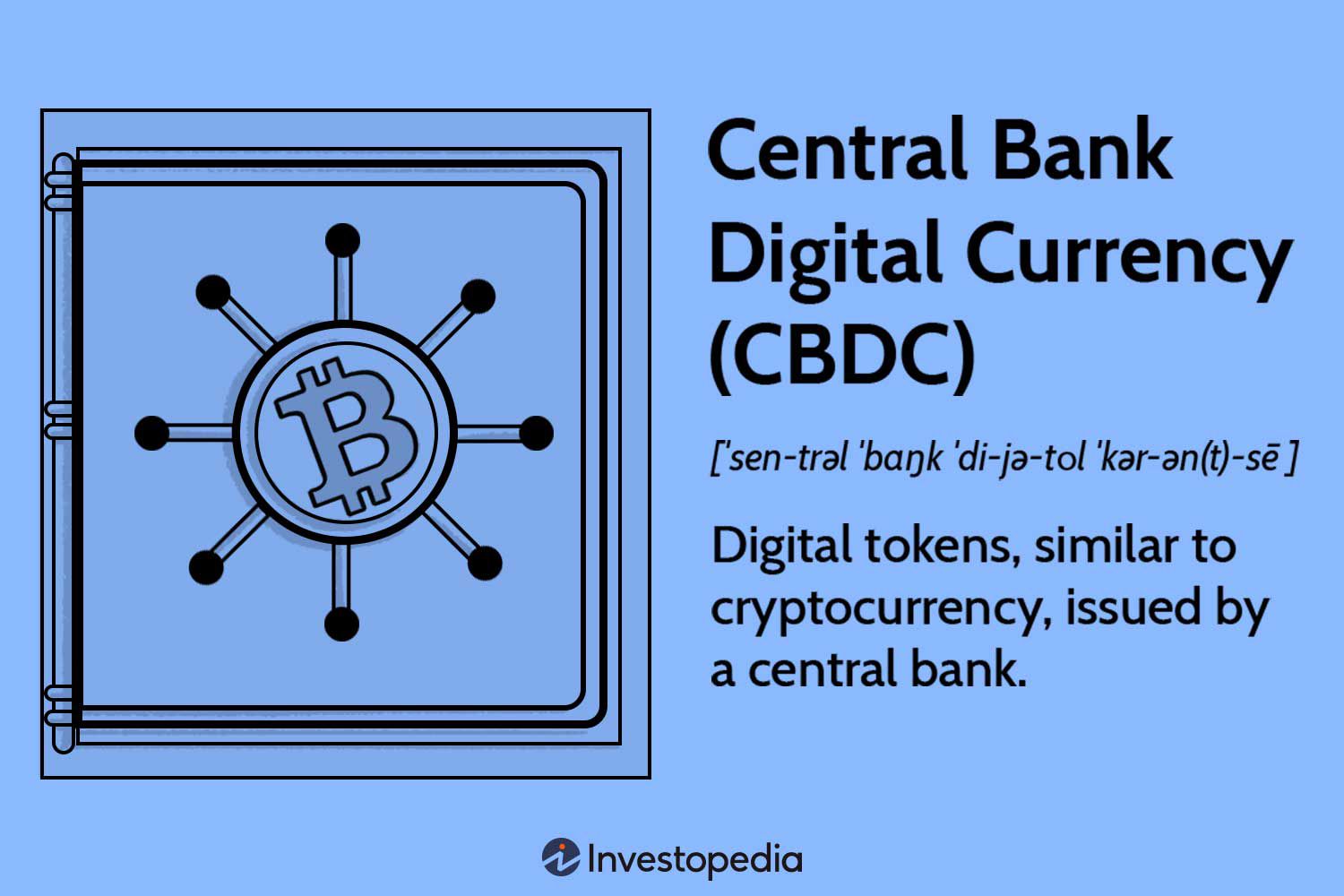
In recent years, the financial landscape has seen a significant shift towards digitalization. Central to this transformation is the emergence of Central Bank Digital Currencies (CBDCs). As more countries explore the potential of CBDCs, many question what they mean for the future of finance. This article answers key queries about CBDCs, exploring their benefits, challenges, and implications for the global economy.
What are CBDCs?
CBDCs are digital forms of a country’s fiat currency that are issued and regulated by its central bank. Unlike cryptocurrencies like Bitcoin, which are decentralized and not linked to any government or financial institution, CBDCs represent a digitization of existing monetary systems. Essentially, CBDCs provide a digital alternative to cash, with the full backing of a nation’s central authority.
Why are CBDCs Being Developed?
The push towards CBDCs is driven by several factors:
-
Financial Inclusion: CBDCs can provide unbanked populations with easier access to financial services, promoting inclusion in the digital economy.
-
Increased Efficiency: Digital currencies can streamline payment processes, reducing transaction times and costs associated with traditional banking.
-
Enhanced Monetary Policy: Central banks can monitor economic activities in real time, allowing for quicker and more effective monetary policy adjustments.
-
Countering Cryptocurrencies: With the rise of decentralized cryptocurrencies, central banks see CBDCs as a way to maintain control over monetary systems and prevent risks associated with private digital currencies.
-
Global Competitiveness: As countries like China roll out their digital yuan, other nations feel the need to innovate to maintain their economic relevance.
How Do CBDCs Differ from Cryptocurrencies?
While both CBDCs and cryptocurrencies are forms of digital currency, their foundational principles differ significantly:
-
Centralization vs. Decentralization: CBDCs are centrally controlled by a government authority. In contrast, most cryptocurrencies operate on a decentralized network of nodes.
-
Stability: CBDCs are stable, tied to a nation’s economy and regulated by monetary authorities. Conversely, cryptocurrencies are notorious for their volatility, with prices subject to market speculation.
-
Regulation: CBDCs operate within existing financial regulatory frameworks and consumer protections. Cryptocurrencies often exist in a legal gray area, leading to concerns over fraud, theft, and market manipulation.
What are the Benefits of CBDCs?
CBDCs promise several advantages for consumers, businesses, and governments:
1. Improved Payment Systems
CBDCs can significantly improve payment systems. With real-time transactions, citizens can send money with minimal fees, enhancing both domestic and cross-border payments. This is especially beneficial for remittances, where transaction costs can be prohibitively high.
2. Financial Inclusion
Individuals without bank accounts can access digital wallets featuring CBDCs, bringing millions into the financial system. This shift could effectively reduce inequality, enabling greater access to services such as loans and insurance.
3. Enhanced Security
Digital currencies could be more secure than cash. CBDCs utilize advanced cryptographic techniques, making them less vulnerable to theft or fraud. Additionally, as they are traceable, they could help combat money laundering and illicit financial activities.
4. Better Monetary Policy Implementation
CBDCs can allow central banks to implement monetary policy tools more effectively, promoting economic stability. For example, a central bank could adjust interest rates on CBDCs to incentivize or deter consumer spending.
5. Reduced Cash Dependency
As societies become more digital, reliance on cash is decreasing. CBDCs can facilitate a seamless transition away from physical money, making it easier for individuals to transact in a predominantly digital world.
What are the Challenges Facing CBDCs?
Despite their clear advantages, CBDCs also face numerous challenges, including:
1. Implementation Hurdles
Transitioning to a digital currency system involves considerable logistical and technological challenges. Central banks need to invest heavily in cybersecurity, infrastructure, and public education.

- Overcome negative thought patterns, reduce stress, and live a worry-free life
- Overthinking is the biggest cause of unhappiness
- Don't get stuck in a never-ending thought loop
- Stay present and keep your mind off things that don't matter, and never will
- Break free of your self-imposed mental prison
2. Privacy Concerns
With CBDCs tied to individuals’ identities, there is a concern over government surveillance and personal privacy. Striking a balance between tracking transactions for regulatory purposes and maintaining user confidentiality will be critical.
3. Financial Stability Risks
The introduction of CBDCs could affect existing banking systems. If consumers opt to hold their funds in central bank accounts instead of commercial banks, it might lead to bank runs and reduced lending capacity.
4. Regulatory Framework
Creating a comprehensive regulatory framework for CBDCs is essential to protect consumers, maintain financial stability, and prevent misuse. This task involves collaboration between various governmental agencies and stakeholders.
5. Consumer Adoption
Convincing the general public to adopt CBDCs may be challenging. Public attitudes towards digital currencies can vary, with some viewing them as complex or untrustworthy. Effective outreach and education campaigns are necessary to facilitate acceptance.
How Are Countries Approaching CBDCs?
Across the globe, numerous central banks are exploring or piloting their CBDC projects:
1. China
China is leading the way with its Digital Currency Electronic Payment (DCEP) system. The People’s Bank of China launched pilot programs in several cities, allowing citizens to use digital yuan for everyday transactions.
2. The United States
The Federal Reserve has been researching digital dollars but has not yet made any formal moves toward implementation. Discussions around CBDCs in the U.S. center around potential benefits for the economy and what form a digital dollar might take.
3. European Union
The European Central Bank (ECB) is considering the introduction of a digital euro. Public consultations have taken place to gauge consumer interest and potential use cases.
4. Bahamas
The Bahamas has already rolled out its Sand Dollar, the world’s first fully operational CBDC. The initiative aims to improve financial access and lower transaction costs in the archipelago.
5. Sweden
Sweden is piloting the e-krona as cash usage declines. The Riksbank is focused on providing a secure and efficient means of making payments for citizens.
What’s Next for CBDCs?
As countries continue to explore and experiment with CBDCs, numerous trends are emerging:
1. Collaboration between Central Banks
Globally, central banks are beginning to collaborate on CBDC initiatives. Teleconference meetings and shared research are becoming more common, creating a knowledge-sharing environment aimed at developing best practices.
2. Focus on Interoperability
To enhance user experience, central banks are considering interoperability between different CBDCs. This would allow seamless transfer of value across borders, benefiting international trade and transactions.
3. Integration with CBDC and Blockchain Technology
Some central banks are investigating blockchain technology to improve the security and efficiency of transaction processing. This integration could improve the robustness of the financial system while marrying innovative technologies with existing norms.
4. Consumer-Focused Features
To ensure widespread CBDC adoption, many central banks are looking at consumer-friendly features such as user-friendly digital wallets, programmable payments, and transaction rewards.
Final Thoughts
The future of Central Bank Digital Currencies is on the horizon, transforming the global financial landscape. While challenges remain, the potential benefits of CBDCs—enhancing financial inclusion, revitalizing payment systems, and improving monetary policy—are too compelling to ignore. As we look ahead, it’s crucial for policymakers, banks, and consumers to engage in thoughtful discussions about the implications of CBDCs. This collective effort will ensure that the transition to digital currencies is not only beneficial but also equitable for all.
In conclusion, the evolution of CBDCs holds immense promise for the future of money. As we navigate this new terrain, an informed and cautious approach will enable us to harness the potential of digital currency while addressing the challenges it poses. Embracing this change can lead to a more stable, efficient, and inclusive financial system, ultimately shaping a brighter economic future for all.


