
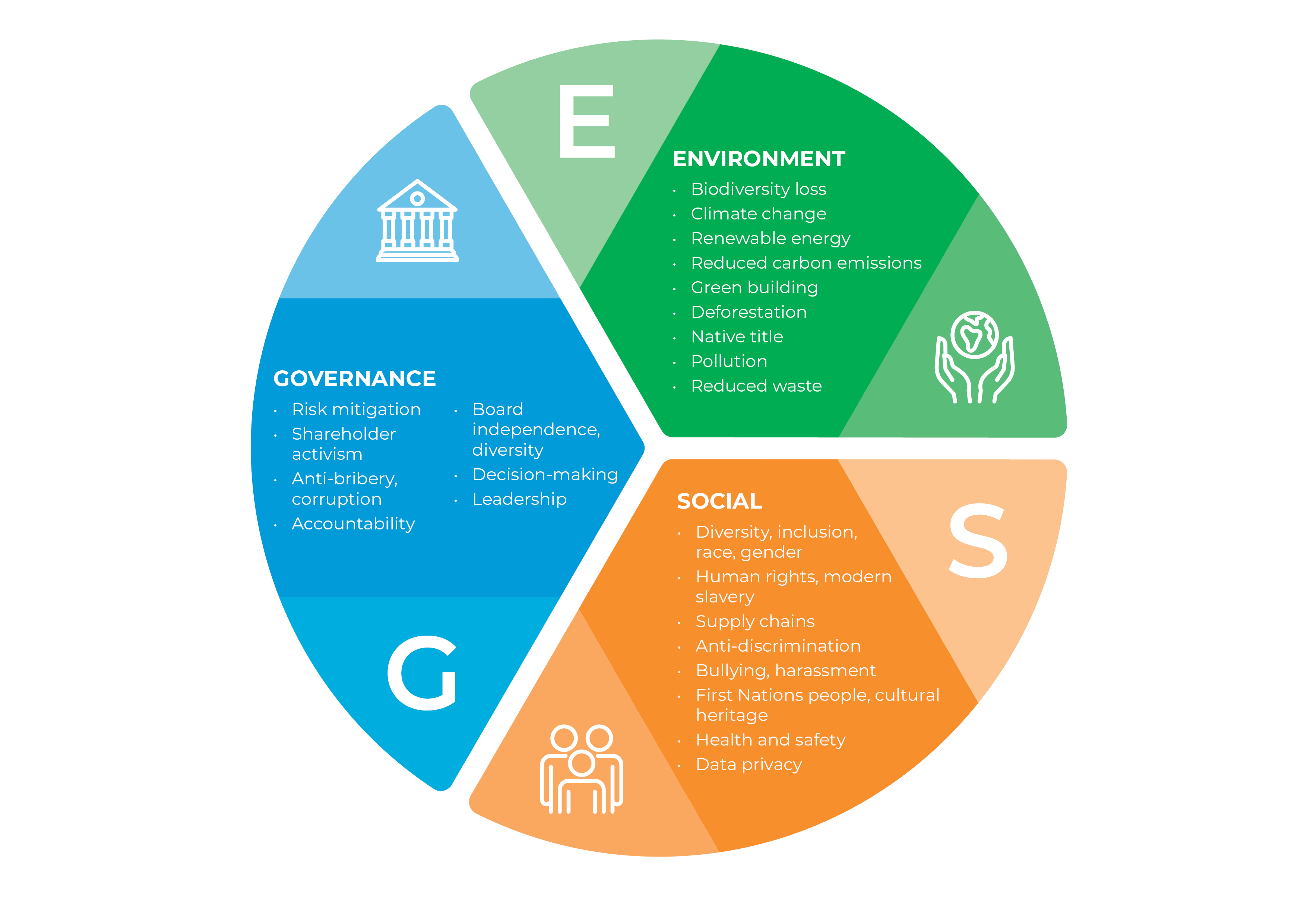
As we step into 2025, businesses are gradually coming to terms with the new landscape shaped by sustainability and ethical governance. One acronym that continues to gain traction in the corporate world is ESG, which stands for Environmental, Social, and Governance. This concept is increasingly becoming a key factor in how companies operate, influencing everything from investment decisions to consumer behavior. In this article, we will explore why ESG matters for businesses in 2025, offering insights that are crucial for professionals, investors, and consumers alike.
What is ESG?
Before delving into its importance, let’s define ESG. At its core, ESG encapsulates the three pillars that measure a company’s commitment to sustainable and ethical business practices.
-
Environmental: This aspect evaluates how a business’s operations impact the environment. This includes carbon emissions, waste management, natural resource consumption, and energy efficiency. Companies that prioritize environmental sustainability often engage in practices that minimize their ecological footprint.
-
Social: Here, the focus shifts to a company’s relationship with its stakeholders, including employees, customers, suppliers, and the communities where it operates. Social considerations look at labor practices, human rights, diversity and inclusion efforts, community engagement, and more.
-
Governance: Governance involves the leadership, executive pay, audits, internal controls, and shareholder rights of a company. It assesses how a business is managed and held accountable to its stakeholders.
Understanding ESG is more than just deciphering its components; it’s about recognizing how intertwined these factors are with the overall success and sustainability of a business.
The Growing Importance of ESG in 2025
1. Increasing Regulations and Compliance
One of the most pressing reasons businesses must embrace ESG principles in 2025 is the ever-evolving landscape of regulations. Governments worldwide are enacting laws that mandate companies to disclose their ESG practices. Regulatory bodies are focusing on climate action, responsible governance, and social equity. Non-compliance can lead to hefty fines and reputational damage, making it essential for businesses to align with these regulations proactively.
2. Investor Preferences
Today’s investors are more discerning than ever. Institutions and individual investors are increasingly channeling their funds into companies that demonstrate strong ESG practices. Research indicates that funds tracking ESG benchmarks often outperform traditional investment funds. In fact, as younger generations, including Millennials and Gen Z, gain influence in the investment space, they are prioritizing ethical companies. By 2025, it’s predicted that ESG-driven investment strategies will dominate the market, reshaping capital flows and investment portfolios.
3. Consumer Demand for Transparency
Modern consumers are vigilant about the brands they support. According to recent studies, a significant segment of consumers now considers a company’s ESG performance as essential criteria in their purchasing decisions. They want to support businesses that align with their values, such as sustainability, fair labor practices, and ethical governance. In 2025, brands that fail to demonstrate their commitment to ESG could see a marked decline in customer loyalty. To stay competitive, businesses must begin prioritizing transparency in their operations and actively communicate their ESG goals.
4. Risk Management
ESG isn’t just about doing the right thing; it’s also a vital aspect of risk management. Companies that ignore environmental risks, like climate change, could face operational disruptions, reputational damage, and financial loss. Enhancing governance transparency reduces the likelihood of corruption and unethical decision-making, mitigating risks across the board. In 2025, organizations that embed ESG considerations into their risk management frameworks are likely to weather economic storms more effectively than those that do not.
Practical Steps for Businesses to Enhance Their ESG Strategy

- Overcome negative thought patterns, reduce stress, and live a worry-free life
- Overthinking is the biggest cause of unhappiness
- Don't get stuck in a never-ending thought loop
- Stay present and keep your mind off things that don't matter, and never will
- Break free of your self-imposed mental prison
1. Establishing Clear Goals and Metrics
To embrace ESG effectively, businesses must define clear goals. These should be actionable and aligned with their overall business strategy. Setting specific metrics allows companies to measure their progress, hold themselves accountable, and effectively communicate achievements to stakeholders.
2. Engaging Stakeholders
Information gathering is critical for an effective ESG strategy. Engaging with stakeholders—including employees, customers, suppliers, and the local community—can provide valuable insights into their expectations and concerns. Regular dialogue not only builds trust but also helps companies identify areas for improvement.
3. Training and Awareness Programs
Creating a culture of sustainability within an organization begins with education. Training programs focused on sustainability, diversity, and ethical governance can foster a strong commitment to ESG principles among employees. When employees understand the importance of ESG, they are more likely to actively contribute to achieving these goals.
4. Collaborating with Experts
Navigating the complexities of ESG can be overwhelming. Collaborating with experts in environmental science, social justice, and corporate governance can lend credibility to a company’s initiatives. External consultants can provide tailored guidance on best practices and benchmark performance against industry standards.
5. Transparency in Reporting
Creating an annual ESG report that outlines goals, progress, and challenges can enhance a company’s reputation. Transparency builds trust, not just among investors but also among consumers. Businesses that stay accountable to their commitments are likely to build stronger relationships with all stakeholders.
The Future of ESG in Business
As we look toward 2025 and beyond, ESG will likely become even more ingrained in business culture and strategy. Companies that adapt to this reality will find themselves better positioned to thrive in an increasingly competitive landscape.
1. The Rise of Technological Innovations
Advancements in technology are set to transform how businesses approach ESG. Tools such as artificial intelligence and big data analytics can provide deeper insights into a company’s environmental impact, social practices, and governance structures. By leveraging technology, businesses can enhance their ESG reporting and ensure compliance with regulatory standards.
2. Integration with Corporate Strategy
Moving forward, ESG is expected to become integrated into overall corporate strategy rather than treated as a standalone initiative. This holistic approach will require businesses to align their sustainability goals with financial objectives, ensuring that ESG becomes a core part of their operations.
3. Global Collaboration
Given the multinational nature of many businesses today, ESG practices will require greater collaboration across borders. International standards for ESG reporting may emerge, facilitating consistency and comparability. Companies that engage in global partnerships can pool resources and share knowledge, amplifying their social and environmental impact.
Conclusion
As we navigate through 2025, understanding ESG is no longer a choice but a necessity for businesses. Companies that prioritize ESG not only fulfill their ethical responsibilities but also unlock a wealth of opportunities—from attracting investment to fostering consumer loyalty.
By embedding the principles of Environmental, Social, and Governance into their cultures and strategies, businesses can navigate the increasingly complex landscape of modern commerce. In this age of conscious consumerism and responsible investing, the power of ESG to shape the future of business cannot be overstated.
Whether you’re a business leader, an investor, or a conscious consumer, your actions today will ripple into the future, defining the ethos of tomorrow’s corporate landscape. Understanding and implementing ESG practices is the first step toward a more sustainable, equitable, and governable world.


