
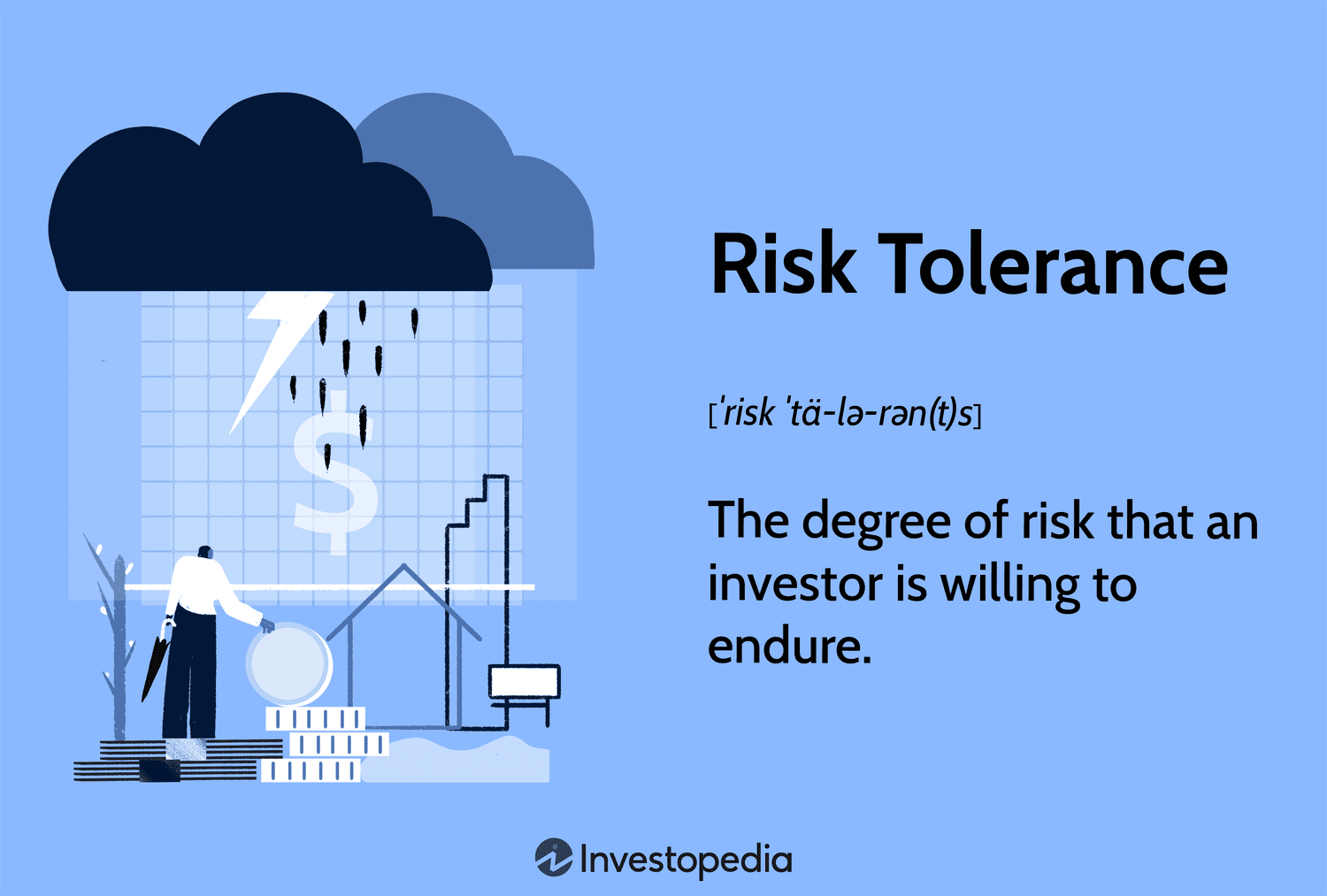
Investing can often feel like a labyrinth of options and risks, but one fundamental principle can help you navigate through it all: understanding your risk tolerance. It plays a pivotal role in shaping your investment choices and ultimately, your financial future. So, what exactly is risk tolerance, and how does it influence the decisions you make with your hard-earned money? This article dives deep into the nuances of risk tolerance, offering insights and tools that will help any investor—novice or seasoned—align their investment strategy with their personal financial goals.
What is Risk Tolerance?
At its core, risk tolerance refers to the degree of variability in investment returns that an individual is willing to withstand in their investment portfolio. Factors such as time horizon, financial situation, investment goals, and emotional readiness all contribute to how much risk an investor can tolerate.
For instance, a young professional with a stable income may have a higher risk tolerance compared to someone nearing retirement. In this scenario, the younger investor might feel comfortable investing in high-volatility stocks, believing that they have sufficient time to recover from potential losses. Conversely, an individual close to retirement might prefer lower-risk investments, fearing that any significant downturn could jeopardize their retirement plans.
The Importance of Risk Tolerance in Investing
Understanding risk tolerance is of paramount importance for several reasons:
-
Alignment with Goals: Assessing your risk tolerance helps ensure that your investment choices are aligned with your financial goals—be it saving for retirement, buying a home, or funding your child’s education.
-
Emotional Comfort: Each individual has a unique emotional response to the market’s ups and downs. Knowing your risk tolerance can help you avoid panic selling during downturns or excessive excitement during market upswings.
-
Long-term Strategy: Your risk tolerance will influence your investment strategy over the long haul. A thorough understanding can guide you in asset allocation and diversification, critical components of a robust investment plan.
Factors Influencing Your Risk Tolerance
Several factors play a significant role in determining your risk tolerance. Understanding these factors will help you make informed decisions when choosing investment vehicles.
1. Time Horizon
One of the most critical aspects of risk tolerance is your investment time horizon. If you are investing for the long term—say, for retirement in 30 years—you may be comfortable taking on higher risk. In contrast, if you are saving for a short-term goal like a vacation next year, you would likely opt for safer, more stable investments.
2. Financial Situation
Your current financial situation, including your income, savings, and expenses, greatly impacts your risk tolerance. Those with substantial savings or a steady income stream may be more inclined to take risks, while those with tight budgets may prefer to stick with safer bets.
3. Emotional Resilience
Your own emotional characteristics significantly shape your approach to investing. Are you someone who feels anxious during market volatility, or do you maintain a calm demeanor? An honest appraisal of your emotional resilience can guide your investment strategies and choices.
4. Experience Level
Your prior investing experience also affects your risk tolerance. If you have been successfully investing for years and understand market fluctuations, you may feel more confident making aggressive investment choices. However, if you’re new to investing, you might want to start with more conservative options until you become more comfortable.
Assessing Your Risk Tolerance
To identify your risk tolerance, you can undertake a few assessments, including questionnaires that evaluate your financial situation, investment goals, and emotional responses to risk. Many financial institutions provide online tools to help you gauge your risk appetite.
-
Risk Tolerance Questionnaires: Many financial advisors and services offer these questionnaires. They usually consist of multiple-choice questions regarding your investment experience, objectives, and attitudes towards risk.
-
Investment Goals Analysis: Outline your investment goals and the timelines associated with them. A clear understanding of your objectives will help clarify your risk tolerance.
-
Professional Assessment: Consider consulting with a financial advisor who can provide a personalized assessment based on your individual financial landscape and goals.

- Overcome negative thought patterns, reduce stress, and live a worry-free life
- Overthinking is the biggest cause of unhappiness
- Don't get stuck in a never-ending thought loop
- Stay present and keep your mind off things that don't matter, and never will
- Break free of your self-imposed mental prison
Making Investment Choices Based on Risk Tolerance
Once you’ve assessed your risk tolerance, the next step is to align that understanding with your investment choices. Here are some investment options that correspond with different risk tolerance levels.
Conservative Investments
If you have a low risk tolerance, consider the following options:
-
Savings Accounts: While the returns are minimal, savings accounts provide safety and liquidity, making them an excellent option for short-term savings.
-
Government Bonds: Debt securities issued by the government tend to be low-risk and can be a dependable choice for conservative investors.
-
Certainty of Fixed Deposits: Fixed deposits offer guaranteed returns and capital protection, appealing to risk-averse individuals.
Moderate Investments
If you have a moderate risk tolerance, you might consider:
-
Balanced Mutual Funds: These funds invest in a mix of stocks and bonds, providing the potential for growth with some level of stability.
-
Index Funds: These funds track a specific market index and offer diversification across various sectors, reducing risk while still providing growth opportunities.
-
Dividend-Paying Stocks: Investing in established companies that pay dividends can provide a reliable income stream, balancing risk and return.
Aggressive Investments
For those with a high risk tolerance, consider these options:
-
Individual Stocks: Investing in shares of individual companies can yield high returns, but it also carries the risk of significant losses.
-
Cryptocurrencies: The extreme volatility of cryptocurrencies attracts aggressive investors willing to take substantial risks for potentially high rewards.
-
Venture Capital: Investing in startups can provide extraordinary returns if a company takes off, but the risk of failure is high.
The Role of Diversification
Regardless of your risk tolerance, diversification remains a cornerstone of a solid investment strategy. Diversification involves spreading investments across various asset classes to minimize risk. By holding a mix of stocks, bonds, real estate, and other assets, you can protect your portfolio against market fluctuations while increasing the likelihood of achieving your financial goals.
Monitoring and Adjusting Your Risk Tolerance
Risk tolerance is not a static attribute; it can change over time due to various factors, including changes in financial circumstances, life events, or shifts in economic conditions. Therefore, it’s essential to periodically reassess your risk tolerance to ensure that your investment strategy is still aligned with your current circumstances and goals.
Conclusion
Understanding your risk tolerance is crucial for responsible investing and achieving your financial goals. By taking the time to evaluate your risk appetite and aligning it with your investment choices, you can create a portfolio that reflects not only your financial objectives but also your personal comfort level with risk.
At the end of the day, investing should not be a source of stress or anxiety; instead, it should be a well-considered journey toward financial growth. Embrace the process, continually reassess your risk tolerance, and adjust your strategies as needed to cultivate a successful investment experience.
By understanding risk tolerance, you not only empower yourself to navigate the often-turbulent waters of investing but also pave the way toward a more secure financial future. Take your time, feel confident in your choices, and watch as you build your wealth over the years.


