
In recent years, the buzz surrounding quantum computing has reached a fever pitch, leaving many to wonder how this groundbreaking technology is poised to redefine industries, enhance productivity, and ultimately transform the very landscape of business as we know it. In this article, we’ll explore what quantum computing is, its potential applications in various sectors, and how businesses can harness this technology to gain a competitive edge in a fast-evolving digital world.
What is Quantum Computing?
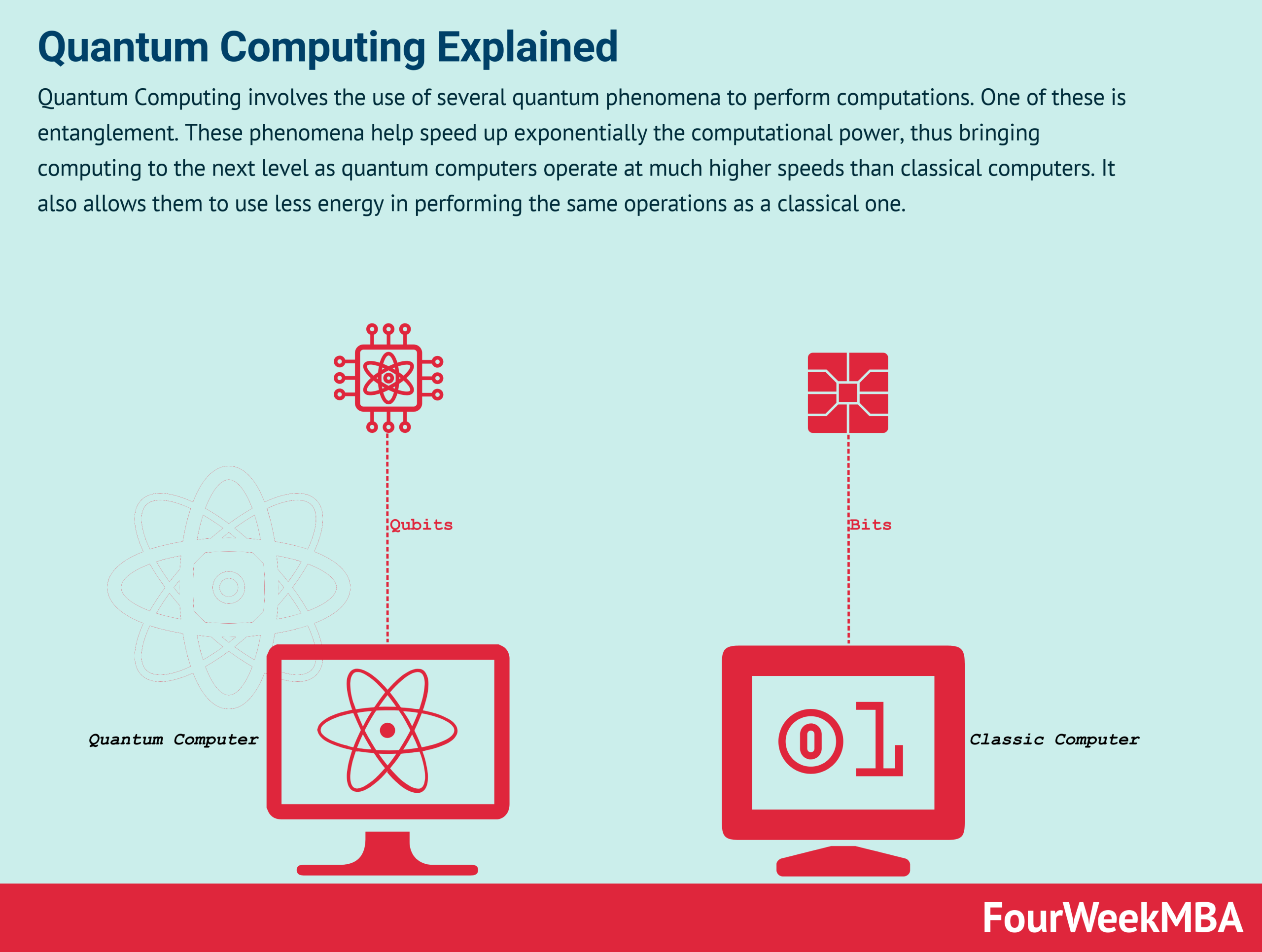
Before diving into its role in business, it’s essential to grasp the fundamental principles of quantum computing. At its core, quantum computing utilizes the peculiar principles of quantum physics to process information in fundamentally different ways than classical computers. While classical computers use bits as the smallest unit of data (which can be either 0 or 1), quantum computers employ qubits, which can exist in multiple states simultaneously thanks to a phenomenon known as superposition.
Furthermore, qubits can also be entangled, meaning the state of one qubit is directly related to the state of another, regardless of the distance separating them. This allows quantum computers to perform complex calculations at speeds unattainable by classical machines. As a result, businesses have begun to recognize the vast potential of quantum computing for tasks that traditionally consume extensive time and resources.
Transformational Applications of Quantum Computing in Business
1. Enhanced Data Analysis
One of the most prominent applications of quantum computing in business is its ability to process and analyze massive datasets efficiently. In sectors like finance, marketing, and supply chain management, businesses often grapple with enormous volumes of data, making it challenging to extract actionable insights. Quantum computing can accelerate data analysis, enabling businesses to uncover patterns, trends, and correlations faster and more accurately than ever before.
For instance, in the finance sector, firms can utilize quantum algorithms to optimize portfolios, assess risks, and value complex financial instruments with superior speed and precision. This not only leads to better decision-making but can also result in significant cost savings.
2. Revolutionizing Logistics and Supply Chain Management
The logistics and supply chain industry is notorious for its complexity, with countless variables impacting efficiency. Quantum computing can streamline these processes, allowing businesses to optimize routes, manage inventories, and predict demand more effectively.
For example, imagine a delivery service that must coordinate thousands of packages across various destinations. A quantum computer can analyze and calculate the most efficient delivery routes by considering factors such as traffic patterns and weather conditions. This optimization can substantially reduce operational costs and delivery time, providing businesses with a significant competitive advantage.
3. Drug Discovery and Healthcare Innovation
The healthcare sector stands to benefit immensely from quantum computing, particularly in drug discovery and development. The conventional process for discovering new medications is lengthy, costly, and often fraught with uncertainty. Quantum computing can simulate molecular interactions at an unprecedented scale, allowing researchers to identify potential drug candidates more quickly and accurately.
By leveraging this technology, pharmaceutical companies can expedite the development of new treatments for various diseases, ultimately leading to better patient outcomes. Additionally, quantum computing can improve personalized medicine, enabling healthcare providers to tailor treatments based on a patient’s unique genetic makeup.
4. Secure Communication and Cybersecurity
In an age where data breaches and cyber threats are rampant, cybersecurity remains a top concern for businesses across all industries. Quantum computing can provide enhanced security measures through quantum encryption methods, making data more secure than ever before. Quantum key distribution (QKD), for instance, enables two parties to share encryption keys securely, ensuring that any attempt at interception is immediately detectable.
As businesses increasingly rely on digital communication and transactions, adopting quantum encryption could significantly strengthen their defenses against cyberattacks. Moreover, organizations that implement cutting-edge cybersecurity measures stand to gain a strong reputation and increased trust from their customers.
5. Financial Modeling and Risk Assessment
The finance industry is an area ripe for disruption through quantum computing. Financial modeling often involves complex calculations, simulations, and scenario analyses that can be burdensome for classical computers. Quantum computers can handle these calculations with remarkable speed, enabling financial institutions to create more sophisticated models and conduct risk assessments with greater accuracy.
With quantum computing, businesses can simulate potential market scenarios, assess credit risk, and optimize trading strategies in real time. This capability helps financial firms respond more effectively to fluctuations in the market, leading to better investment strategies and increased profitability.

- Overcome negative thought patterns, reduce stress, and live a worry-free life
- Overthinking is the biggest cause of unhappiness
- Don't get stuck in a never-ending thought loop
- Stay present and keep your mind off things that don't matter, and never will
- Break free of your self-imposed mental prison
Roadblocks and Challenges in Adoption
Despite its promise, the path to integrating quantum computing into business applications is not without its hurdles. These challenges can impede the widespread adoption of this technology:
1. Technical Complexity
Quantum computing technology remains in its infancy, and the complexity of quantum algorithms can be a significant barrier for many organizations. Businesses must invest in skilled personnel who can understand and apply quantum principles effectively, which may require costly training programs or partnerships with specialized firms.
2. High Costs
The development and maintenance of quantum computing infrastructure are currently prohibitively expensive for many companies. Although costs are expected to decrease over time, the initial investment required might deter small and medium businesses from exploring this technology.
3. Limited Availability
As of now, access to quantum computing resources is limited. Traditional cloud computing services are gradually integrating quantum capabilities, but for many businesses, the means to experiment and develop quantum applications remain sparse.
4. Uncertain Regulations
As with any emerging technology, the regulatory landscape surrounding quantum computing is still evolving. Businesses must stay abreast of these changes to ensure compliance and minimize risks associated with potential legal issues.
Preparing for the Quantum Future
While quantum computing may seem like a distant reality to some, businesses that proactively prepare for this technological revolution will stand to benefit the most. Here are several strategies organizations can employ to stay ahead of the curve:
1. Invest in Educational Resources
To overcome the technical complexity of quantum computing, businesses should prioritize the education of their workforce. Investing in training programs, workshops, and online courses can empower teams to understand quantum principles and apply them to real-world challenges.
2. Collaborate with Quantum Technology Firms
Partnering with specialized firms or research institutions can provide businesses access to the resources and expertise required to implement quantum computing effectively. Collaborations can foster innovation and provide insights into the latest advancements in the field.
3. Stay Informed About Technological Developments
A commitment to staying informed about the latest developments in quantum technology will allow businesses to adapt to changes and seize opportunities as they arise. Subscribing to industry publications, attending conferences, and engaging with online communities can provide valuable knowledge and insights.
4. Initiate Small-scale Quantum Projects
Before diving headfirst into a full-scale quantum integration, businesses should initiate small-scale pilot projects to explore the feasibility and potential of quantum computing in their operations. This approach allows organizations to test and refine their strategies while mitigating risks.
5. Focus on Cybersecurity
As businesses prepare for quantum computing, implementing robust cybersecurity measures is crucial. Companies can explore quantum encryption solutions and collaborate with cybersecurity experts to safeguard sensitive information and data.
Conclusion
Quantum computing represents a seismic shift in how businesses operate, offering unprecedented power to solve complex problems, analyze vast amounts of data, and innovate in ways previously thought impossible. While challenges such as technical complexity, high costs, and limited availability may present obstacles, the potential rewards are substantial for those who dare to embrace this transformative technology.
As quantum computing continues to evolve, businesses that strategically prepare and invest in their quantum capabilities will not only enhance their competitive edge but also position themselves to thrive in a future where quantum technology plays a central role in driving innovation and growth.
In summary, understanding and leveraging quantum computing is not merely a possibility for business – it is rapidly becoming an imperative. The companies of tomorrow must rethink their strategies today to stay ahead in this quantum-enabled world. As we navigate this exciting frontier, the potential for collaboration, breakthroughs, and advancement remains boundless.


