
What is an Ups Group of Continuity?
An Uninterruptible Power Supply (UPS) group of continuity is a device that acts as an intermediary between the electrical network and the devices to be powered, with the purpose of providing clean energy to said equipment, ensuring their continued operation for a limited period in case of power interruption, and protecting them from damage caused by voltage fluctuations.
How to Choose an Ups Group of Continuity?
To choose the right UPS group of continuity, it is essential to consider several factors:
- Power: Determine the power of the UPS group to ensure that it can power all connected devices.
- Autonomy: Verify the autonomy of the battery of the UPS, i.E., The time in which the battery is able to keep the devices connected in case of a power interruption.
- Inputs: Know the different types of inputs present on the UPS group and ensure that they are compatible with the devices to be powered.
- Other Features: Consider other features such as the display, noise level, additional functions, and integration with other devices.
Ups Group Continuity Technologies
There are various technologies for UPS groups:
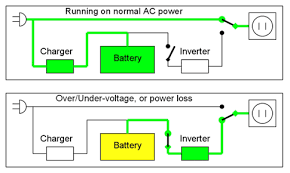
- Offline Ups: They work with a battery that charges during normal power supply, but cannot automatically regulate output voltage.
- Online Ups: Use an inverter to convert the energy produced by the battery into alternating current from the battery itself and are therefore always functioning even if the network is interrupted.
- Line Interactive Ups: Combine some features of previous models, i.E., They will always be active and have a timer for charging the battery.
How to Choose The Right Ups Group Continuity For Specific Needs?
- Determine The Necessary Power: Add the values of the equipment to be powered and add at least 10% more.
- Check Autonomy: Verify the autonomy of the battery of the UPS to ensure that it is sufficient for specific needs.
- Verify Different Inputs: Ensure that the inputs are compatible with the devices to be powered.
- Consider Other Features: Think about the display, noise level, and additional functions.
Conclusion
Choosing the right UPS group continuity is essential to protect your devices from power interruptions, voltage fluctuations, and other electrical issues. Consider important factors such as power, autonomy, inputs, and other features to choose the most suitable model for your needs.
Frequently Asked Questions (FAQs)
- What is The Difference Between an Offline Ups And an Online One?
An offline UPS charges only during normal power supply, while an online UPS works constantly and uses an inverter to convert the energy produced by the battery. - What Are The Main Features of a Ups Group Continuity?
The main features of a UPS group continuity include power, autonomy of the battery, and different inputs available. - How Can I Choose The Right Ups Group Continuity For my Specific Needs?
To choose the right UPS group continuity, you should determine the necessary power, verify the autonomy of the battery, and consider other features such as the display and additional functions. - What Are The Advantages of Online Ups Groups?
Online UPS groups offer the possibility of using an inverter to convert the energy produced by the battery, ensuring greater reliability and durability. - What is The Difference Between an Offline Ups Group And a Line Interactive One?
An offline UPS group charges only during normal power supply, while a line interactive UPS uses an inverter to compensate for potential signal defects.


