
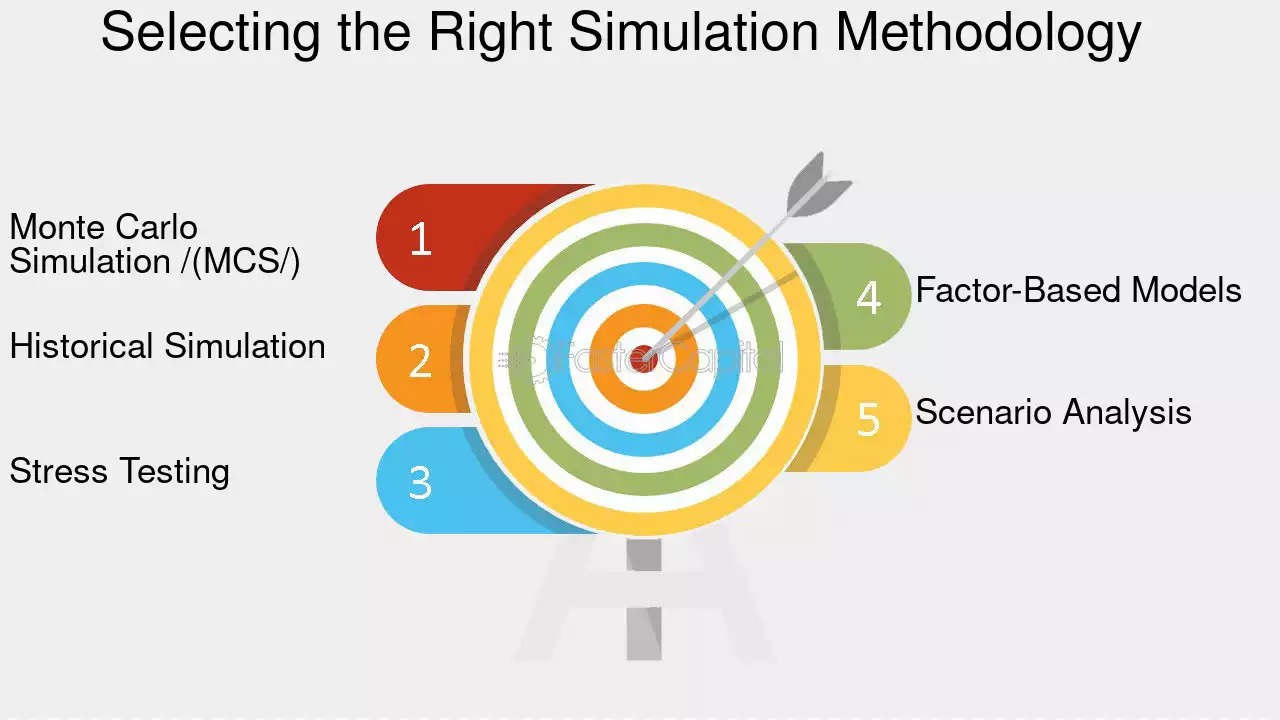
In an age where financial stability is paramount, the ability to wisely manage and grow your investments has never been more critical. With the increasing ease of access to financial markets through technology, more individuals are seeking to take charge of their portfolios. One effective way to test your investment strategies without risking real money is by using investment simulators. This article explores the concept of investment simulators, their benefits, and how you can creatively integrate them into your travel planning.
What are Investment Simulators?
Investment simulators are platforms that allow users to practice investing without financial risk by simulating real market conditions. These simulators provide a virtual trading environment where investors can execute trades, build portfolios, and learn the nuances of investing. Imagine it like a flight simulator for pilots; it offers a great way to gain experience and confidence before taking the leap into real-world investing.
Why Use Investment Simulators?
1. Risk-Free Testing
The most significant advantage of investment simulators is the ability to test strategies without the risk of losing hard-earned money. Whether you’re a seasoned investor or a novice, you can experiment with different asset allocations, buy and sell stocks, and learn from your mistakes without suffering financial consequences.
2. Learning Opportunity
Investment simulators offer invaluable learning experiences. They allow you to observe how market fluctuations impact your investments, providing insights that are crucial for developing a sound investment strategy. Moreover, many simulators include educational resources, tutorials, and community forums where users can share strategies and learn from one another.
3. Portfolio Diversification Practice
Diversifying your portfolio is a fundamental principle of investing, and simulators give you a platform to experiment with diversification strategies. You can simulate various asset classes, including stocks, bonds, ETFs, real estate, and commodities, enabling you to understand how different investments interact with each other. This knowledge becomes particularly useful when your travel plans require you to adjust your portfolio based on changing market conditions.
4. Psychological Preparation
Investing is as much psychological as it is analytical. Through simulators, you can experience the emotional rollercoaster of market volatility without the actual risks. This will help you develop a more disciplined approach to investing. You’ll learn the importance of sticking to your strategy, resisting the urge to panic sell, and understanding your risk tolerance, all while planning your next adventure.
Popular Investment Simulators to Consider
There are numerous investment simulators available, each offering unique features and benefits. Here are some popular options:
1. Investopedia Stock Simulator
The Investopedia Stock Simulator is one of the most widely used simulators among beginners. It allows users to create a virtual portfolio and trade stocks in real-time while using valuable educational resources to deepen their understanding of the market.
2. Wall Street Survivor
Wall Street Survivor offers users a gamified approach to learning about investing. Users can create portfolios, participate in challenges, and learn through articles and tutorials. The platform also includes a community where you can find like-minded investors.
3. TD Ameritrade’s paperMoney
For those who prefer a more realistic trading experience, TD Ameritrade’s paperMoney is designed to mimic the feel of actual trading. It comes with advanced tools and resources, allowing you to test options strategies, futures, and even forex trading.
4. MarketWatch Virtual Stock Exchange
MarketWatch hosts a virtual stock exchange that allows users to create a portfolio and trade in real-time. You can also participate in public or private competitions, making it an engaging way to test your strategies against others.

- Overcome negative thought patterns, reduce stress, and live a worry-free life
- Overthinking is the biggest cause of unhappiness
- Don't get stuck in a never-ending thought loop
- Stay present and keep your mind off things that don't matter, and never will
- Break free of your self-imposed mental prison
Integrating Investment Simulators into Your Travel Planning
Now that you understand the benefits of using investment simulators, let’s explore how you can incorporate them into your travel planning:
1. Budget for Your Travels
Before you set off on an adventure, it’s essential to have a clear understanding of your financial situation. By testing different investment strategies in simulators, you can manage your finances more effectively. Consider setting aside a portion of your simulation profits for your travel budget, turning virtual gains into real-world adventures.
2. Assess Market Conditions
If you’re planning a trip during a specific economic climate, using an investment simulator can help you understand how your portfolio may react to changing conditions. For instance, if you anticipate interest rate hikes influencing your travels, use the simulator to test your portfolio’s performance and determine how to adjust your investments accordingly.
3. Optimize Currency Exchange
Traveling internationally often involves dealing with foreign currencies. Investment simulators can assist you in experimenting with currency investments and understanding forex markets. By practicing on a simulator, you can learn how to manage currency risk and create a strategy that benefits your travels.
4. Network with Fellow Travelers
Many investment simulators have integrated forums and communities. You can connect with fellow travelers who also have an interest in investing. Creating bonds with others who share similar financial and travel aspirations can yield valuable insights and even potential travel partners.
5. Develop a Long-Term Investment Strategy
Travel isn’t just a short-term proposal but a long-term investment in life experiences. Use investment simulators to plan your long-term portfolio while identifying the financial avenues that will allow you to travel more. Experiment with different strategies to achieve your travel goals.
6. Set Clear Financial Goals
Before you begin investing, set specific financial goals. If your travel plans involve purchasing a home or a vacation property, use the simulator to project your investment strategy. Understanding your financial landscape will help you determine if you need to increase or reduce your investments to fund your future endeavors.
7. Evaluate and Adjust
Like travel plans, investment strategies require flexibility. Use the simulator to evaluate your progress and modify your plan as necessary. If your investments aren’t performing as expected, you can test new strategies without any real-world repercussions.
Conclusion: A New Journey in Strategic Investing
As we navigate the complexities of investing, it’s clear that using investment simulators can provide a robust strategy for managing financial portfolios. They allow you to explore diverse approaches, learn from mistakes, and gain the confidence necessary for real-world investments. For a traveler, understanding how to manage your investments can help you finance those unforgettable experiences—a hike through the Andes, a culinary tour in Italy, or a serene beach retreat in Bali.
Incorporating investment simulators into your financial planning could be a game-changer, allowing you to embark on a journey filled with experiences that enrich your life—both on the investment front and as a world traveler. So, why wait? Dive into an investment simulator today and start paving the way for your next great adventure.
This article has explored the multifaceted world of investment simulators and how they can elevate your travel plans by fostering effective investment strategies. Remember, every great journey starts with planning, whether it’s investing in the market or booking your next flight.


