
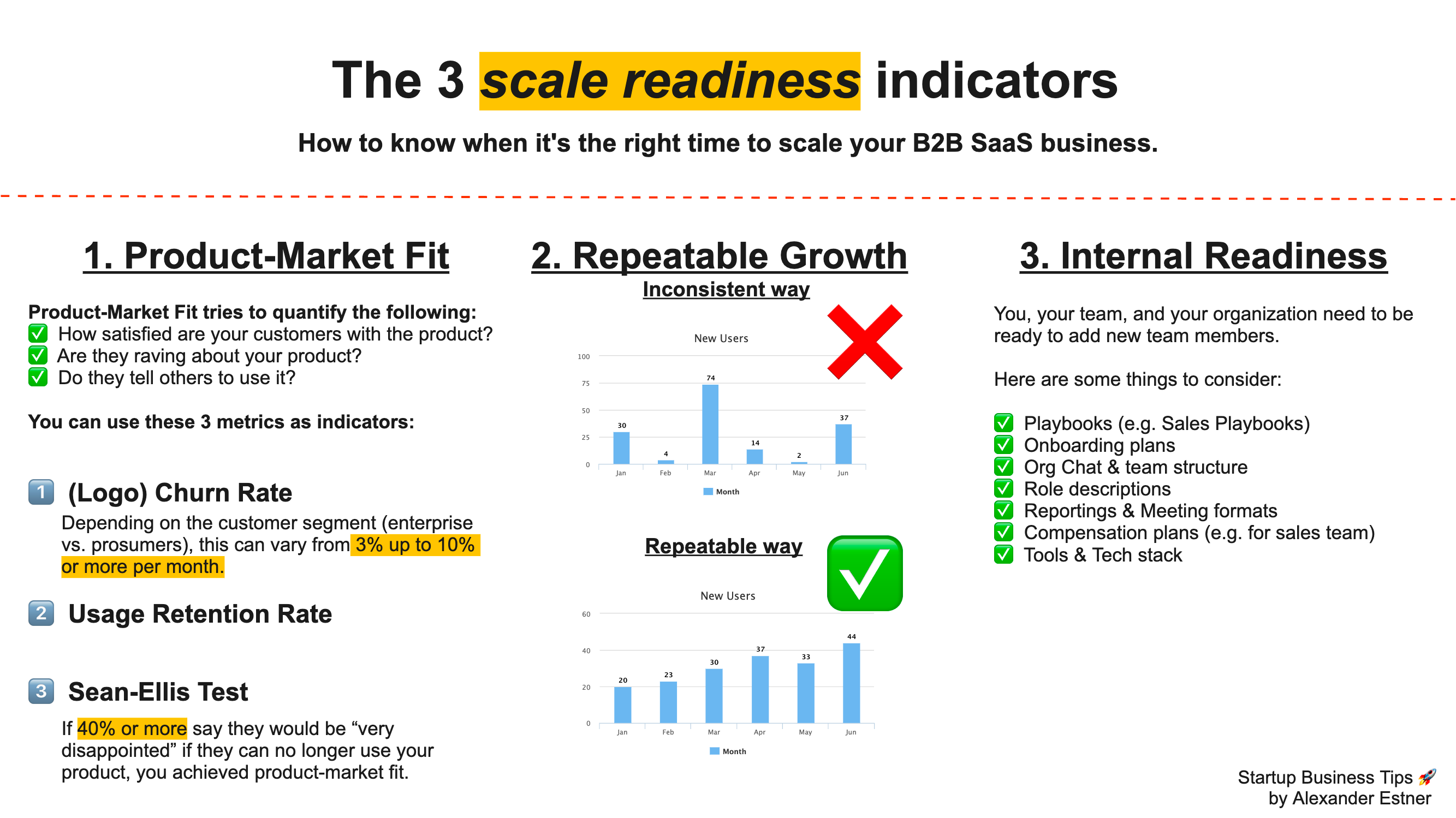
When embarking on the journey of launching a Software as a Service (SaaS) business, creating a solid business plan is crucial. However, what happens when the initial plan is put into action and the company starts scaling? What should founders expect to see in their business plan five years down the line? This article will explore what a SaaS business plan looks like after five years of scaling, focusing on key areas such as revenue growth, customer acquisition, market positioning, operational efficiencies, and long-term strategic planning.
Understanding the SaaS Landscape
Before diving into the details of a mature SaaS business plan, it’s vital to grasp the current SaaS landscape. As technology advances, the SaaS model has gained significant traction, offering businesses affordability, accessibility, and flexibility. As of 2023, the global SaaS market is estimated to reach over $400 billion, making it a vibrant industry with tremendous growth opportunities.
That being said, scaling a SaaS business presents its own unique challenges. In their early stages, many startups focus on product development, initial market fit, and the first hundred customers. However, as the company grows, the business plan must evolve to align with these scaling demands.
The Evolution of a SaaS Business Plan
1. Refinement of Revenue Model
At the beginning of the journey, many SaaS businesses adopt a simple revenue model—often a subscription-based model. However, after five years, the business plan should reflect a more sophisticated understanding of revenue sources. Successful SaaS companies typically diversify their revenue streams, considering factors such as:
-
Tiered Pricing: Offering different subscription levels can help capture a broader audience and meet varying customer needs. This means having a free tier, a basic tier, and multiple premium tiers based on features and support.
-
Add-On Services: Many companies introduce value-added services, such as additional storage, integrations with other platforms, or enhanced support packages. These services not only provide additional revenue but also improve customer satisfaction.
-
Renewal and Upsell Rates: The plan should include strategies for customer loyalty, understanding customer lifetime value (CLV), and metrics for upselling or cross-selling more services to existing customers.
After five years, a robust SaaS business plan should include key performance indicators (KPIs) associated with revenue generation, renewal rates, and churn rates. Charting this data will help identify trends and inform future strategies.
2. Enhanced Customer Acquisition Strategies
In the early days, your SaaS business may rely heavily on direct sales and organic leads. However, as you scale, customer acquisition strategies should expand significantly. A detailed customer acquisition plan might look like this:
-
Content Marketing: A successful SaaS company will invest in creating educational content—case studies, blogs, eBooks, and webinars—that positions the brand as a thought leader in the industry.
-
SEO & SEM: Search engine optimization (SEO) remains vital for organic growth. Meanwhile, search engine marketing (SEM) through paid ads can broaden reach, targeting specific demographics that align with their ideal customer profile.
-
Partnerships & Affiliates: Creating strategic partnerships with other companies can open doors to new customer segments. An affiliate program incentivizes networking with industry influencers who can promote your service.
-
Referral Programs: Encouraging existing customers to refer new clients through rewards or discounts can lead to cost-effective customer acquisition.
In a five-year scaling journey, your SaaS business plan should outline the various channels you’ll utilize for customer acquisition and include a specific budget for each strategy.
3. Defining Target Market and Customer Segments
Over time, your understanding of target demographics will deepen, and the SaaS business plan should evolve accordingly. Initially, your focus may have been broad, but now, after five years, you’ll likely have a refined target market. Factors to consider may include:
-
Identifying Core Industries: Depending on the services offered, you may find that certain industries are more responsive. Identifying and emphasizing these core markets is essential for future marketing efforts.
-
Customer Personas: Develop detailed customer personas that include demographics, pain points, and motivations. This will help refine marketing messages and product offerings to better meet customer needs.
-
Global Expansion Plans: If you’re looking to scale internationally, your business plan needs to address localization, legal aspects, varied competition, and market entry strategies.
A clear reflection of your target market in your business plan will not only help streamline marketing efforts but also guide product development to better align with user needs.

- Overcome negative thought patterns, reduce stress, and live a worry-free life
- Overthinking is the biggest cause of unhappiness
- Don't get stuck in a never-ending thought loop
- Stay present and keep your mind off things that don't matter, and never will
- Break free of your self-imposed mental prison
4. Business Operations and Process Optimization
In the early stages of a SaaS startup, processes might be ad hoc and informal. However, after five years of scaling, the operational aspect of your business plan should be professionally defined. Consider:
-
Team Structure: Evaluate your team’s structure. Scaling often requires new team members in sales, customer support, and development. Your plan should define roles, responsibilities, and hiring strategies.
-
Process Automation: Automation tools can significantly improve efficiency in repetitive tasks—be it in customer onboarding, invoicing, or marketing email campaigns. Include an analysis for adopting tools that promote seamless operations.
-
Data-Driven Decisions: After five years, you should implement analytics tools to evaluate customer usage, feedback, and satisfaction. This data is crucial for ongoing improvements and understanding customer behavior.
-
Scalable Infrastructure: As your business grows, ensure your technology stack can handle increased customer volume. This may include cloud service providers and cybersecurity measures.
Your business operational strategies must be robust yet flexible, ensuring continued growth and adaptation to market changes.
5. Strategic Planning for Future Growth
Five years into scaling, your SaaS business plan needs to incorporate a long-term vision. A strategic planning section should articulate your company’s aspirations while including:
-
New Product Development: Consider outlining plans for additional features or entirely new products geared toward meeting evolving customer needs.
-
Market Diversification: Beyond product development, think about entering new markets or verticals. Your business plan should highlight potential areas for growth and the accompanying strategies needed to penetrate these markets.
-
Funding Strategies: If additional funding is required for scaling, it’s crucial to set guidelines for reaching out to investors. Describe your investment roadmap and define how funds will be utilized.
-
Sustainability and Corporate Responsibility: Today’s customers are increasingly conscious of the environmental and social impacts of their subscriptions. Discuss initiatives that promote sustainability and corporate responsibility in your operations.
Your long-term strategies should articulate a vision that inspires both internal teams and potential investors, reflecting a company ready for ongoing growth.
Conclusion
After five years of scaling, a SaaS business plan will reflect a wealth of experience and a deep understanding of the market landscape. It will evolve from a simple roadmap into a detailed, strategic document that outlines various elements including revenue models, customer acquisition strategies, target market analysis, operational efficiencies, and long-term growth mission.
As the SaaS business sector continues to rapidly evolve, it’s crucial for entrepreneurs to adapt their business plans accordingly. By focusing on these key areas and addressing the complexities that come with scaling, you position your SaaS business for continued success and resilience in an ever-changing environment.
Whether you’re a budding entrepreneur looking to start your journey or an established SaaS business aiming to refine your operations after years of scaling, these insights will guide you toward creating an effective business plan that evolves with your company. Remember, the adaptability and foresight in a business plan not only prepare you for future challenges but also set you on a path toward sustainable growth and innovation in the competitive SaaS landscape.


