
Starting your own business can be an exhilarating yet daunting experience. For many aspiring entrepreneurs, bootstrapping—a term that means launching a startup with minimal financial resources—becomes the preferred route. While bootstrapping allows you to maintain full ownership and control during the early stages of your venture, it also comes with significant financial considerations, particularly in terms of tax implications. In this article, we will explore the various tax aspects of bootstrapping your startup, helping you navigate the complexities so you can focus on turning your ideas into reality.
Understanding Bootstrapping
Bootstrapping is the process of building a company from the ground up with limited resources. Founders may utilize personal savings, revenue generated from early sales, or even financial help from friends and family to fund their ventures. The core idea is to minimize reliance on external funding sources, such as angel investors or venture capitalists, which often require giving away equity or incurring debt.
While bootstrapping has its benefits, such as maintaining control over your business direction and finances, it can also lead to challenges, particularly when it comes to understanding the tax implications of your actions as a startup founder.
Tax Implications of Bootstrapping
- Business Structure Matters
One of the first decisions you’ll need to make when bootstrapping your startup is the legal structure of your business. Your choice of business structure—whether it be a sole proprietorship, partnership, limited liability company (LLC), or corporation—significantly impacts your tax obligations.
-
Sole Proprietorship: This is the simplest form of business structure. As a sole proprietor, your business income is reported on your personal income tax return, using Schedule C. You’ll pay income tax on profit as well as self-employment taxes. This means that, even without substantial profits, you might end up facing tax liabilities.
-
Partnership: Similar to a sole proprietorship, partnerships report income on personal tax returns. However, the partnership must file an informational return. Each partner is responsible for their share of the profits and losses, so understanding how these will impact your tax situation is critical.
-
Limited Liability Company (LLC): An LLC offers greater protection against personal liability than sole proprietorships or partnerships. An LLC can choose to be taxed as a sole proprietorship, partnership, or corporation, allowing for flexibility depending on your financial circumstances.
-
Corporation: Forming a corporation may provide tax benefits, especially when your startup begins making a profit. However, corporations are subject to double taxation—corporate income is taxed at the corporate level, and dividend distributions to shareholders are taxed again on their personal returns.
Choosing the right structure early on can help minimize tax burdens in the future, so it’s essential to consider how each type affects tax liability.
- Startup Costs and Deductions
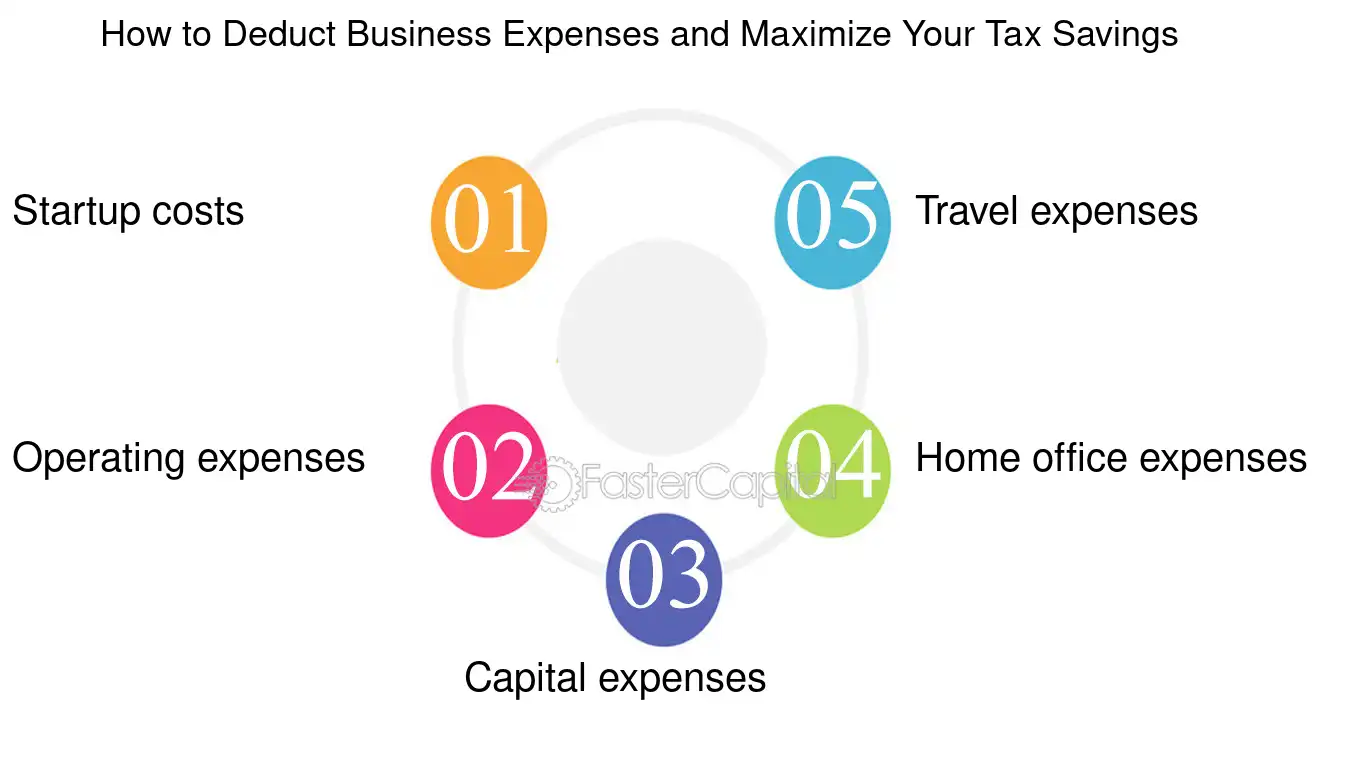
When you bootstrap your startup, you may incur various costs associated with launching your business, from purchasing equipment to marketing expenses. Understanding which costs can be deducted from your taxable income is crucial for minimizing your tax bill.
The IRS allows entrepreneurs to deduct certain startup costs, such as:
-
Market Research and Advertising: Any money spent on researching potential markets or promoting your business can usually be deducted.
-
Professional Services: Fees paid to consultants, attorneys, and accountants during the startup phase are deductible.
-
Office Supplies and Equipment:Necessary supplies, equipment, and even the cost of setting up an office qualify as deductible expenses.
-
Business Travel Expenses: If you travel to meet potential clients or suppliers, you can deduct travel expenses, including meals and lodging.
Entrepreneurs should keep thorough records of all business-related expenses, as these can significantly reduce taxable income in the initial years of business operations.
- Home Office Deduction
For many startups, especially those bootstrapped from home, the home office deduction can offer considerable tax relief. If you regularly use a portion of your home exclusively for business purposes, you may qualify for this deduction.
To qualify for the home office deduction, you must meet the following criteria:
-
Regular and Exclusive Use: The area claimed must be used exclusively for business activities.
-
Principal Place of Business: Your home office must be your primary place of business or a venue where you meet clients regularly.
The deduction can allow you to write off a portion of your rent or mortgage interest, utilities, and other related expenses based on the size of your home office compared to the total home square footage.
- Self-Employment Tax
Bootstrapping often means that you carry multiple roles within your startup, including that of an employee. As a self-employed individual, you will be required to pay self-employment taxes, which fund Social Security and Medicare. This tax is calculated based on your net earnings from self-employment.
It’s important to account for self-employment tax when bootstrapping, as it is a significant cost that can be overlooked by new entrepreneurs focused on innovation and growth. Consider setting aside a portion of your income each month to ensure you can cover this tax when it’s due.
- Employee vs. Independent Contractor
As your startup begins to grow, you may find yourself in need of additional help. You can either hire employees or work with independent contractors. The tax implications for each option are different.
-
Employees: When you hire employees, you’ll need to pay payroll taxes and withhold income tax from their salaries. This can complicate your tax situation, as you will be responsible for various tax filings and employer contributions.
-
Independent Contractors: Using independent contractors can simplify tax obligations, as you typically don’t have to withhold taxes or pay for employee benefits. However, establishing a clear working relationship with contractors is important to avoid misclassification issues, which can lead to penalties.
Make sure to weigh the tax implications carefully when deciding how to build your team during the bootstrapping phase.
- Retirement Savings and Tax Advantages
While bootstrapping your startup can be financially taxing, it’s crucial to consider setting up a retirement plan for yourself. Contributing to a retirement account not only prepares you for your future but can also provide immediate tax benefits.
-
Solo 401(k): This allows self-employed individuals to contribute both as an employee and as an employer, maximizing tax-deductible contributions.
-
SEP IRA: This allows you to save for retirement while providing significant tax advantages, as contributions are tax-deductible.
Retirement plans can help reduce your taxable income while solidifying your financial future, making them a smart consideration while bootstrapping your startup.
- Tax Credits and Incentives
Many states and local governments offer tax credits and incentives to encourage startups and small businesses. Depending on where your startup is located, you might be eligible for credits related to job creation, research and development (R&D), or investments in certain industries.
Research your local business incentives to see which may be available to you. Take full advantage of these credits, as they can substantially lower your taxable income in the early stages of your startup.
- Record Keeping and Tax Compliance
One of the most critical yet often overlooked aspects of bootstrapping your startup is proper record-keeping. Organizing your financial information, receipts, and tax documents can save you time and money when it comes time to file your taxes. Maintain records for the following:
- Business expenses
- Income received from sales
- Bank statements
- Invoices and receipts
Invest in accounting software or hire a bookkeeper to help you manage your records. Staying organized will make tax compliance easier, reducing stress and the chances of errors that could lead to audits.

- Overcome negative thought patterns, reduce stress, and live a worry-free life
- Overthinking is the biggest cause of unhappiness
- Don't get stuck in a never-ending thought loop
- Stay present and keep your mind off things that don't matter, and never will
- Break free of your self-imposed mental prison
Conclusion
Bootstrapping your startup can be one of the most rewarding experiences of your professional life, offering you the opportunity to transform your vision into reality without losing control of your business. However, it’s essential to understand and navigate the tax implications associated with your choices as an entrepreneur.
Choosing the right business structure, keeping accurate records, and maximizing your deductions can help you minimize your tax obligations. Also, be aware of the importance of complying with tax regulations to avoid costly penalties down the line.
In a world where startups continue to emerge and shape the economy, being informed about the financial and tax aspects of bootstrapping is critical. With the right strategies in place, you can focus on growing your business while minimizing your tax burden, setting a solid foundation for future success.
Ready to take that leap? The road to entrepreneurship is bright and full of potential, but being informed about tax implications will help ensure that your startup is built on a strong financial foundation. Happy bootstrapping!


