
Starting a new business is an exhilarating journey filled with dreams of success, innovation, and financial independence. However, alongside this excitement comes the responsibility of managing your taxes effectively. Understanding the necessary documents for filing taxes as a startup is crucial to ensure compliance and efficiency. In this comprehensive guide, we’ll explore the essential documents you’ll need, useful tips for navigating the tax landscape, and other related considerations for new entrepreneurs.
Understanding the Basics of Tax Filing
Before diving into the specifics of documentation, it’s important to understand the overarching principles of tax filing for startups. Depending on your business structure—be it a sole proprietorship, partnership, limited liability company (LLC), or corporation—different rules and documents apply. Here’s a brief overview of common business structures:
-
Sole Proprietorship: This is the simplest business form, where the individual and the business entity are the same. Tax reporting is usually straightforward, involving a Schedule C attachment to your personal Form 1040.
-
Partnership: If you’re running a business with one or more partners, you’ll need to file an informational return using Form 1065, along with Schedule K-1 for each partner.
-
LLC: Depending on how your LLC is taxed (as a sole proprietorship, partnership, or corporation), your filing requirements may differ significantly.
-
Corporation: Corporations are subject to different tax rules, typically filing Form 1120 or, for an S corporation, Form 1120S.
Understanding your business structure is vital because it directly impacts the kind of documentation you’ll need for tax filing.
Essential Documents for Filing Taxes
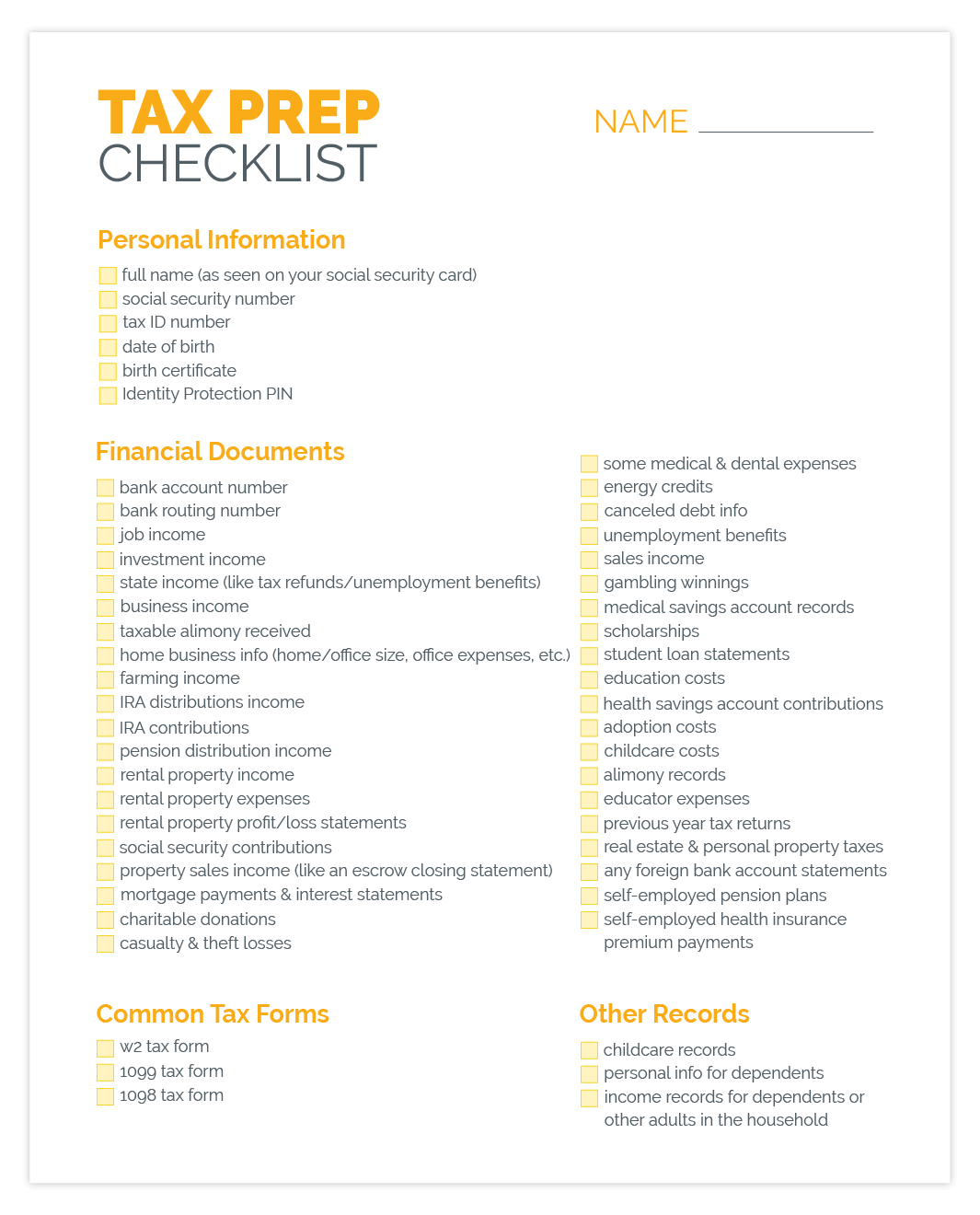
Now, let’s delve into the specific documents you’ll need to gather for your tax filing as a startup. These documents can vary significantly based on your business structure and the nature of your operations, but the following list encompasses the essentials.
1. Employer Identification Number (EIN)
Your Employer Identification Number, often referred to as an EIN, is crucial for tax purposes. This unique number assigned by the IRS is used to identify your business for tax administration purposes. Almost all businesses, except sole proprietors without employees, need an EIN. Applying for an EIN is free and can be done online through the IRS website.
2. Income Records
This document captures all income generated throughout the year. Your income records should include:
- Sales receipts: Proof of revenue for goods sold or services rendered.
- Invoices: Billing statements provided to clients or customers.
- Bank statements: Ensure you keep track of deposits, as these can serve as secondary proof of income.
3. Expenses Documentation
Accurate tracking of expenses is vital for tax deductions. Expenses can significantly reduce your taxable income, so keep detailed records, including:
- Receipts: Keep receipts for all business-related purchases.
- Invoices: Document expenses incurred through services provided by others.
- Payment statements: Credit card statements or bank transaction records.
4. Financial Statements
Financial statements provide a detailed overview of your business’s financial performance. Common financial reports are:
- Profit and Loss Statement (P&L): Tracks your income and expenses to show profitability over a period.
- Balance Sheet: A snapshot of your business’s financial condition, detailing assets, liabilities, and equity at a specific point in time.
- Cash Flow Statement: Highlights the flow of cash in and out of your business, ensuring you maintain sufficient liquidity.
5. Form 1099
If you’ve contracted workers or paid other businesses $600 or more during the tax year, you will need to file Form 1099-NEC for non-employee compensation. This form helps the IRS track earnings for independent contractors and freelancers outside of traditional employment.
6. Payroll Records
If you have employees, maintaining accurate payroll records is critical. These records should include:
- W-2 Forms: Used to report wages and tax withholdings for your employees.
- Payroll tax filings: Documentation proving proper tax withholdings and payments for Social Security, Medicare, and federal/state unemployment taxes.
7. Business Licenses and Permits
Keep a copy of any business licenses or permits required for your operations. These may not directly influence your tax return but show you’re operating legally, which is essential if audited.

- Overcome negative thought patterns, reduce stress, and live a worry-free life
- Overthinking is the biggest cause of unhappiness
- Don't get stuck in a never-ending thought loop
- Stay present and keep your mind off things that don't matter, and never will
- Break free of your self-imposed mental prison
8. Inventory Records
If applicable, maintain detailed records of your inventory, especially if your business relies heavily on selling physical products. This should include:
- Inventory purchases: Receipts or bills from suppliers.
- Inventory counts: Regular tracking of what you have in stock can affect your cost of goods sold (COGS) and ultimately your firm’s profitability.
9. Vehicle Expenses
If you use a vehicle for business purposes, you can deduct related expenses. Keep:
- Mileage logs: Document your mileage to separate personal from business use.
- Receipts for gas/maintenance: Keep all receipts related to fuel, repairs, and maintenance as proof of expenses.
10. Home Office Deduction Documentation
If you run your startup from home, you might qualify for a home office deduction. To substantiate this deduction, you will need:
- Floor plans: Documentation showing the portion of your home used for business purposes.
- Utility bills: Receipts or statements proving your expenses related to operating a firm from home.
11. Previous Year’s Tax Returns
If your startup is not your first venture, it’s prudent to keep previous years’ tax returns for reference. This provides context and consistency when filing your current taxes.
12. Legal Documents
Keep track of any legal documents pertinent to your business, including:
- Partnership agreements: If applicable, detailing the responsibilities of each partner.
- Operating agreements: For LLCs, stating the business’s operation parameters.
Tips for Successful Tax Filing as a Startup
Gathering the necessary documents is only part of the battle; successful tax filing involves organization, understanding key deadlines, and possibly consulting with professionals. Here are some actionable tips to aid in your journey:
-
Utilize Accounting Software: Tools like QuickBooks or Xero can streamline tracking your income and expenses, generate reports, and help ensure accurate bookkeeping.
-
Stay Current on Tax Law Changes: Tax laws frequently change, especially for small businesses. Educate yourself on current regulations to avoid surprises during tax season.
-
Consult a Tax Professional: Engaging a tax accountant familiar with startup businesses can provide invaluable insights and ensure compliance with tax laws.
-
Keep Everything Organized: Implement a systematic approach to file and identify each document as it comes in. An organized filing system saves time and prevents mistakes during tax season.
-
Know Your Deadlines: Familiarize yourself with all relevant tax deadlines. The IRS provides specific deadlines for filing various forms, including extensions, that you should note.
Looking Ahead: Staying Tax Compliant Year-Round
Tax compliance is not only about filing correctly when tax season arrives; it’s about maintaining thorough records and adhering to regulations throughout the year. Here are additional strategies to stay compliant:
-
Regularly Review Financial Statements: Analyze your financial statements monthly or quarterly to keep abreast of your business performance and prepare for tax deductions.
-
Adjust Your Withholding Tax Payments: Estimated tax payments may apply to your startup. Calculate quarterly payments based on your anticipated income to stay on top of your tax obligations.
-
Engage in Continuous Learning: As a startup owner, commit to learning about financial literacy and tax responsibilities. Online courses, webinars, and resources can ramp up your understanding and management of your business finances.
Conclusion
Filing taxes as a startup may seem daunting at first, but with the right documentation and organization, it can become a streamlined process. By gathering essential documents, understanding your obligations, and seeking professional guidance when necessary, you can tackle your tax responsibilities confidently. Remember, thorough record-keeping throughout the year not only prepares your business for tax season, but it also provides a clear view of your company’s financial health and growth trajectory. Here’s to your exciting entrepreneurial journey, bolstered by a solid tax foundation!


