
Starting a business is one of the most exhilarating journeys you can embark on, filled with opportunities for creativity, innovation, and financial success. However, as a startup owner, navigating the myriad of responsibilities can feel overwhelming, especially when it comes to understanding self-employment taxes. Whether you’re a freelance graphic designer, a tech entrepreneur, or a small business owner, self-employment taxes are a crucial aspect that you need to be well-informed about. In this article, we’ll dive deep into what self-employment taxes are, how they impact your business, and what you can do to ensure compliance and maximize your financial health.
Understanding Self-Employment Taxes
What Are Self-Employment Taxes?
Self-employment taxes primarily refer to the Social Security and Medicare taxes that self-employed individuals must pay. Unlike traditional employees, who have these taxes deducted from their paychecks by employers, self-employed individuals bear this responsibility entirely on their own. This tax is additional to your income tax and consists of two components:
- Social Security Tax: This tax funds the Social Security program, which provides benefits to retirees, the disabled, and survivors.
- Medicare Tax: This helps fund Medicare, a program that provides health insurance to seniors and certain younger individuals with disabilities.
The Current Rates
As of the 2023 tax year, the self-employment tax rate is 15.3%. This is divided into:
– 12.4% for Social Security (up to a wage base limit, which was $160,200 in 2023).
– 2.9% for Medicare. There is no limit to the amount of net earnings subject to the Medicare tax.
For high earners or those whose income exceeds a specific threshold, an additional 0.9% Medicare tax applies.
Who Is Considered Self-Employed?
The IRS defines self-employed individuals as those who earn income through executing a trade or business. This can include:
- Sole proprietors
- Independent contractors
- Freelancers
- Partners in a partnership
- LLC members
If you’re earning income through these means, understanding and calculating your self-employment taxes is essential.
The Importance of Estimated Taxes
Why You Should Make Estimated Tax Payments
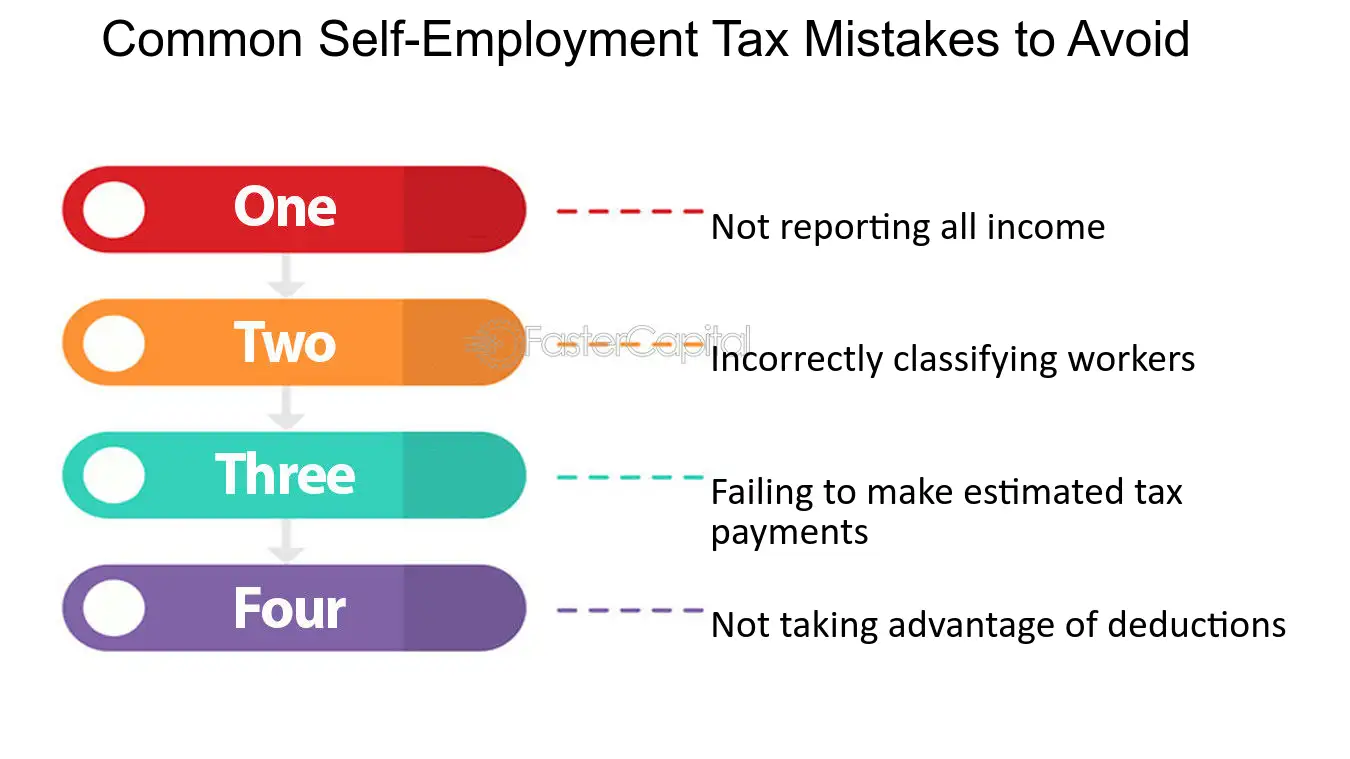
One of the most common misconceptions about self-employment taxes is the belief that they can be paid once a year during tax season. For most self-employed individuals, this isn’t the case. The IRS requires you to make estimated tax payments quarterly throughout the year. This approach helps you avoid significant tax bills and potential penalties when you file your return.
How to Calculate Estimated Payments
To calculate your estimated tax payments, follow these steps:
- Estimate Your Income: For the current year, estimate your income from all sources.
- Calculate Your Taxes: Use the tax brackets provided by the IRS to calculate your expected income tax and self-employment tax.
- Divide into Quarterly Amounts: Take the total estimated tax and divide it by four for your quarterly payment.
Make sure to pay your estimated taxes by the due dates (usually around April 15, June 15, September 15, and January 15 of the following year) to avoid underpayment penalties.
Deductible Business Expenses
Understanding the deductions available to you as a startup owner can significantly impact your taxable income and the amount of self-employment tax you owe. Deductible expenses help offset your income, and therefore, your taxes. Some common deductible business expenses include:
- Home Office Deduction: If you’re working from home, you may qualify for a home office deduction, which can include a portion of your rent or mortgage, utilities, and maintenance fees.
- Business Supplies: Office supplies, software subscriptions, and other materials necessary for your business can be deducted.
- Travel Expenses: If you travel for business, related expenses such as airfare, lodging, and meals can be deductible.
- Mileage: If you use your vehicle for business purposes, you can deduct mileage or actual vehicle expenses.
- Health Insurance Premiums: As a self-employed individual, you may be able to deduct health insurance premiums for yourself and your family.
- Retirement Contributions: Several types of retirement accounts allow self-employed individuals to contribute and deduct these contributions from their taxable income.
Make sure you keep diligent records of all expenses, as they can significantly reduce your taxable income.

- Overcome negative thought patterns, reduce stress, and live a worry-free life
- Overthinking is the biggest cause of unhappiness
- Don't get stuck in a never-ending thought loop
- Stay present and keep your mind off things that don't matter, and never will
- Break free of your self-imposed mental prison
Keeping Accurate Records
The Importance of Record-Keeping
Consistent and accurate record-keeping is essential not only for preparing your taxes but also for ensuring your financial health. This practice allows you to monitor your expenses, income, and the deductions you may claim, which can substantially reduce your overall tax burden.
Tools for Tracking Expenses
There are numerous tools available to help you manage your finances and keep track of your expenses, including:
- Accounting Software: Programs like QuickBooks, FreshBooks, or Xero are designed for small businesses and can simplify budgeting, invoicing, and expense tracking.
- Spreadsheets: Many entrepreneurs opt for customizable spreadsheets to track their income and expenses.
- Mobile Apps: Apps like Expensify or Shoeboxed can help capture and manage receipts and expenses on the go.
Organizing Documentation
Create a system for organizing receipts, invoices, and financial statements to make tax time more manageable. This includes separating personal and business expenses and maintaining digital copies of important documentation.
Working With Tax Professionals
The Benefits of Hiring a Tax Professional
While many startups choose to handle their taxes independently, seeking the expertise of a tax professional can save you time, money, and stress. A tax professional can help you:
- Ensure Compliance: They’ll make sure you’re following all regulations and taking advantage of all allowed deductions.
- Strategize: They can work with you to develop a tax strategy tailored to your business’s specific needs and growth plans.
- Handle Complex Situations: If your financial situation is particularly intricate, such as if you’ve opened a partnership or taken on investors, a tax professional can provide guidance that ensures your tax returns are accurate and compliant.
Choosing the Right Professional
When selecting a tax professional, consider their specialties, experience with startups, and whether they provide ongoing support throughout the year. It’s essential to find someone you trust and feel comfortable with, as this relationship can significantly affect your business’s financial success.
Staying Informed About Tax Laws
The Importance of Tax Education
Tax laws can change frequently, impacting how you manage and report your income. Understanding these changes is vital to ensure your compliance and maximize your deductions. Regularly follow tax news and updates, attend workshops, or consider taking courses that focus on self-employment and small business taxes.
Resources for Taxpayers
Utilize various resources to stay informed, such as:
- IRS Website: The IRS website has extensive resources, guidelines, and detailed information about self-employment taxes.
- Professional Organizations: Groups like the National Association for the Self-Employed (NASE) offer resources for understanding taxes, health insurance options, and other business essentials.
- Online Courses: Websites such as Coursera and Udemy offer courses on tax preparation and financial management that can empower you.
Conclusion
Self-employment taxes may seem daunting, but with the right information and resources, you can successfully navigate this essential part of being a startup owner. Understanding self-employment taxes, making timely estimated payments, keeping accurate records, and potentially working with a tax professional are proactive steps you can take to ensure compliance and optimize your financial health. As you embark on your entrepreneurial journey, keep these critical elements in mind to help lay a solid foundation for your business, ensuring that you not only thrive in your venture but also stay on top of your tax obligations. Safe travels down the entrepreneurial road ahead!


