
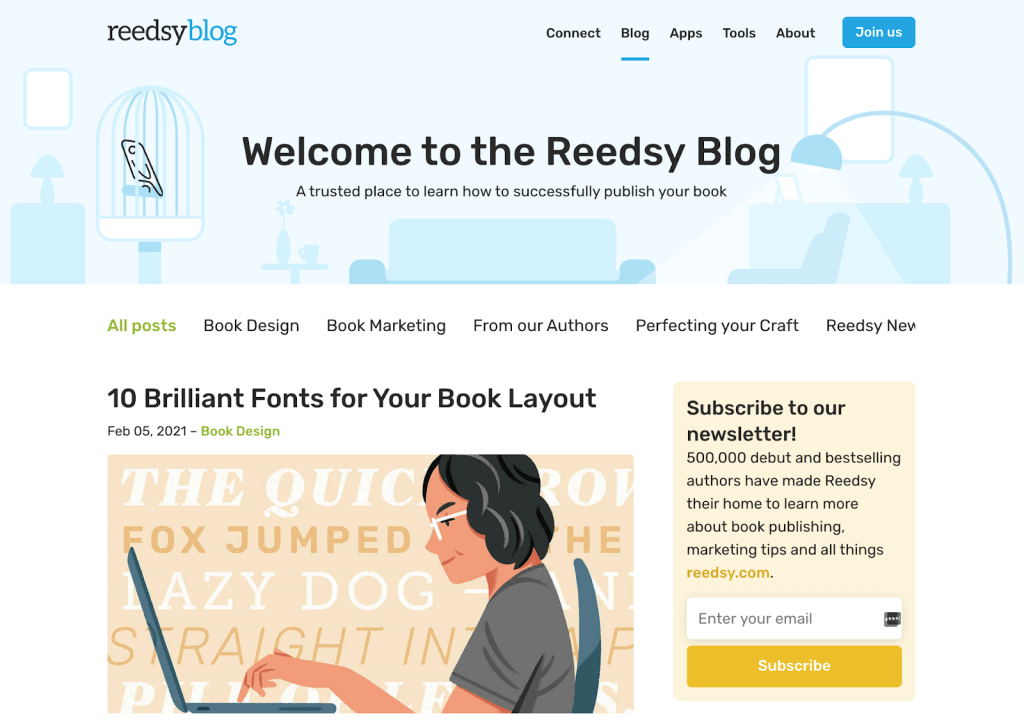
What is a Blog?
In today’s digital age, having a blog has become an essential tool for individuals and businesses alike. But what exactly is a blog? In this article, we will delve into the world of blogging, exploring its history, types, and benefits.
A Brief History of Blogging
The concept of blogging dates back to 1997 in America, when Dave Winer developed a software that enabled the first online publication of contents. The term “Weblog” (a diary on the Net) was coined the same year by an American hunter who used a personal page on the Internet to share his passions.
What is a Blog?
A blog can be considered a virtual personal diary where individuals or businesses share their thoughts, experiences, and expertise with a wider audience. Blogs are characterized by textual content, images, videos, and other multimedia elements that cater to specific interests and passions.
Types of Blogs
There are several types of blogs, including:
- Personal Blog: A personal blog is a virtual diary where individuals share their thoughts, experiences, and expertise with a wider audience. It can be used for various purposes, such as sharing personal reflections, opinions on disparate themes, or creating a brand.
- Business Blog (Blog aziendale): A business blog is an instrument that companies use to gain visibility online and communicate with their potential clients in a more relaxed manner.
The Heart of Each Blog: Posts
Posts are the core content of a blog. They can be articles, guides, lists, or any other type of content that provides value to readers. To create effective posts, it’s essential to choose topics that align with your audience’s interests and analyze your sector using SEO tools like Google Trends.
Types of Posts
There are various types of posts that can be used in a blog, including:
- Lists: Lists are a popular type of post that provides readers with concise information on a specific topic.
- Guides: Guides are detailed posts that provide readers with step-by-step instructions on how to achieve a particular goal.
Optimizing Posts For Seo
To optimize posts for SEO, it’s essential to structure content using headings (H1, H2, H3), format text correctly, link relevant keywords to other blog posts, and write for your target audience rather than search engines. Over-optimization or low-quality content can lead to penalties in search engine rankings.
Video Blogging
Video blogging, also known as vlogging, is a type of blogging that uses video content instead of text. This format has become increasingly popular due to its engaging nature and ability to convey complex information in an entertaining way.
Creating a Personal Blog on Instagram
Instagram allows users to create personal blogs by labeling their account as a “personal blog.” This feature enables creators to share their stories, experiences, and expertise with a wider audience.
Choosing a Content Management System (CMS)
When creating a blog, it’s essential to choose the right CMS. Popular options include WordPress, Joomla, Drupal, and Microsoft SharePoint. Each CMS has its strengths and weaknesses, so selecting one that aligns with your needs is crucial.
Creating a Blog With WordPress
WordPress is a popular CMS that offers flexibility, customization, and scalability. It provides users with a wide range of themes, plugins, and features to create a unique blog experience.
Other Popular Content Management Systems (CMS)
If WordPress doesn’t meet your needs, there are other CMS options available, including:
- Joomla!: A powerful CMS that offers flexibility and customization.
- Drupal: A robust CMS that provides users with a high degree of control over their blog.
- Microsoft Sharepoint: A business-focused CMS that integrates well with Microsoft services.
Creating a Blog With a Proprietary Service
If you’re looking for an easier, more streamlined experience, proprietary services like Wix, Blogger, and Tumblr are great options. These platforms offer a range of templates, drag-and-drop functionality, and easy setup processes.
Conclusion
In conclusion, creating a blog requires careful consideration of your goals, target audience, and the type of content you want to share. By understanding the different types of blogs, choosing the right CMS, and optimizing your posts for SEO, you can create a successful online presence that engages and informs your readers.
Frequently Asked Questions (FAQs)
Q: What is a Blog?
A: A blog is a virtual personal diary where individuals or businesses share their thoughts, experiences, and expertise with a wider audience.
Q: What Are The Different Types of Blogs?
A: There are several types of blogs, including personal blogs, business blogs, video blogs, and social media blogs.
Q: How do I Create a Blog?
A: To create a blog, you can choose from various content management systems (CMS) like WordPress, Joomla, Drupal, or proprietary services like Wix, Blogger, or Tumblr.
Q: What is Seo Optimization For Blog Posts?
A: SEO optimization involves structuring content using headings, formatting text correctly, linking relevant keywords to other blog posts, and writing for your target audience rather than search engines.
Q: Can I Create a Video Blog on Instagram?
A: Yes, Instagram allows users to create personal blogs by labeling their account as a “personal blog.”
Q: What Are The Benefits of Creating a Business Blog?
A: The benefits of creating a business blog include increased traffic to your website, greater engagement with potential clients, and improved market analysis.
Q: How do I Optimize my Posts For Seo?
A: To optimize your posts for SEO, you can use headings, format text correctly, link relevant keywords to other blog posts, and write for your target audience rather than search engines.


