
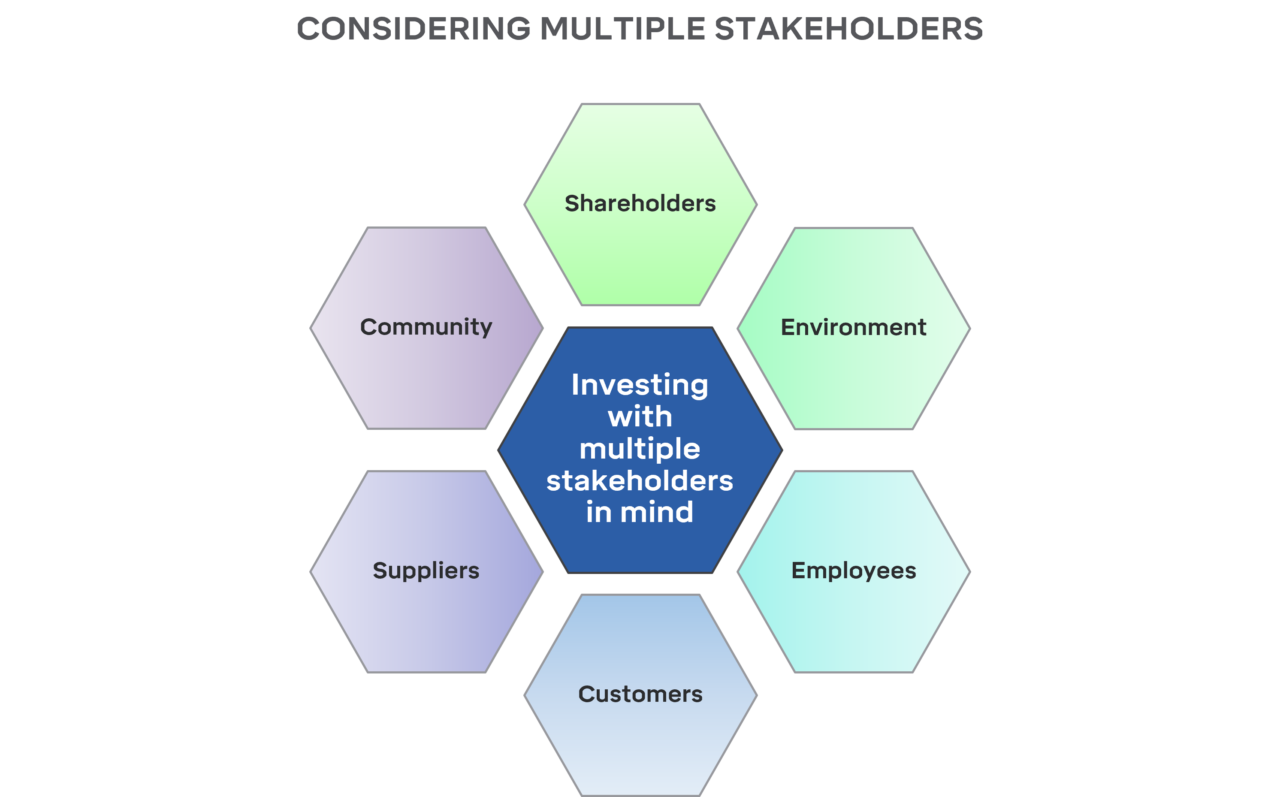
In today’s world, where social and environmental issues are at the forefront of our daily lives, more and more investors are looking for ways to make their money work not just for their financial gain but also for the greater good. This growing trend has given rise to impact investing—a concept that not only helps individuals and institutions earn returns on their investments but also aligns with their values and beliefs. In this article, we’ll explore what impact investing is, its importance, and how you can align your investment portfolio with your personal values.
Understanding Impact Investing
At its core, impact investing refers to investments made with the intention to generate positive social and environmental impact alongside a financial return. This practice ranges from traditional investments into companies or projects that have a focus on sustainability, clean energy, education, and healthcare, to philanthropy-driven ventures that contribute to community development.
The term “impact investing” was popularized around 2010, but the roots of this movement can be traced back several decades, with foundations and philanthropists seeking to do more than just donate—aiming instead to create lasting change through their investments.
Key Characteristics of Impact Investing
-
Intentionality: Investors must show a clear intention to create a positive impact through their investments. This differentiates impact investing from socially responsible investing (SRI), which focuses primarily on avoiding negative impacts.
-
Measurable Impact: Impact investors seek to measure the social and environmental outcomes of their investments. This could include metrics related to things like job creation, carbon emissions reduction, or access to education.
-
Financial Return: While impact investing is mission-driven, investors also seek financial returns, which can range from concessionary (below-market) to market-rate returns. The goal is to achieve both impact and profit.
-
Diverse Sectors: Impact investing spans various sectors, including renewable energy, affordable housing, microfinance, sustainable agriculture, and healthcare. This variety allows investors to align their portfolios based on personal values and interests.
Why Impact Investing Matters
Impact investing plays a crucial role in addressing some of the world’s biggest challenges. Here’s why it holds immense significance:
Addressing Global Challenges
With issues like climate change, poverty, and inequality on the rise, impact investing provides a tangible way to support companies and projects that are working towards solutions. By channeling funds into businesses focused on solving social or environmental challenges, investors can contribute to more sustainable development.
Encouraging Corporate Responsibility
By investing in companies that prioritize social and environmental sustainability, investors can help promote responsible corporate practices. This influence can lead corporations to adopt more ethical policies, improve working conditions, and decrease their carbon footprint.
Building a Better Future
Impact investing is about leaving a legacy. When individuals invest with their values in mind, they contribute to the long-term health of our planet and society. This mindset empowers future generations by fostering a culture of investment that prioritizes well-being over immediate profits.
Financial Performance
Contrary to the belief that ethical investing comes at the expense of financial returns, numerous studies have shown that companies with strong environmental, social, and governance (ESG) practices can outperform their peers. Increasingly, investors recognize that sustainable business practices lead to resilience and long-term financial stability.
Aligning Your Portfolio with Your Values
Now that we understand what impact investing is and why it’s important, let’s explore how you can align your investment portfolio with your values.
Step 1: Define Your Values and Priorities
Before making any investments, take the time to reflect on your values and the issues you care about most. Are you passionate about climate change, education, healthcare access, gender equality, or community development? Make a list of issues that resonate with you, as this will help guide your investment decisions.
Step 2: Research Impact Investment Opportunities
Once you have clarity on your values, begin researching investment opportunities that align with them. There are various resources available, including:
-
Impact Investing Funds: These are investment vehicles specifically created to generate positive impact alongside financial returns. They often focus on specific sectors or themes.
-
Community Development Financial Institutions (CDFIs): These organizations provide financing to underserved communities, helping create jobs and promote economic growth.
-
Socially Responsible Mutual Funds and ETFs: Many funds focus on screening companies based on their ESG criteria. Explore options that resonate with your values.
-
Direct Investments: You may also consider investing directly in social enterprises or startups that align with your mission.

- Overcome negative thought patterns, reduce stress, and live a worry-free life
- Overthinking is the biggest cause of unhappiness
- Don't get stuck in a never-ending thought loop
- Stay present and keep your mind off things that don't matter, and never will
- Break free of your self-imposed mental prison
Step 3: Measure Impact
One of the essential parts of impact investing is measuring the outcomes of your investments. Many organizations provide impact reports, so ensure you assess how your investments are performing not only financially but also in terms of social and environmental change.
Step 4: Diversify Your Portfolio
As with any investment strategy, diversification is key to mitigating risks. While it’s important to align your investments with your values, be sure to maintain a well-balanced portfolio that includes various types of assets to optimize returns.
Step 5: Stay Informed and Engaged
Impact investing is an evolving field, with new opportunities and trends emerging regularly. Stay informed by reading industry news, attending conferences, and engaging with impact investing networks. This will help you stay up-to-date and continue aligning your investment strategy with your values.
Overcoming Common Challenges in Impact Investing
While the principles of impact investing may resonate with many, there are still some challenges to consider:
Perceived Lack of Options
Many investors feel overwhelmed by the perceived lack of options in impactful investments. However, as the field continues to grow, so does the number of accessible investment avenues. From impact funds to green bonds, the choices are expanding, making it easier to find options that work for different investors.
Balancing Financial and Social Returns
Some investors worry that prioritizing social or environmental outcomes may compromise financial returns. However, numerous research studies show that responsible companies can outperform their less responsible counterparts, providing both financial gains and a positive impact.
Performance Measurement
Measuring impact can be complex. Various frameworks exist to evaluate the effects of investments, such as the Global Impact Investing Network’s (GIIN) IRIS+ or the Impact Management Project (IMP). Understanding these frameworks can help clarify expectations.
Real-Life Examples of Impact Investing
To illustrate the impact of investing with values, let’s look at a few notable examples:
1. Calvert Impact Capital
Calvert Impact Capital provides loans to community-based organizations and sustainable businesses working to improve social and environmental conditions. Their investments focus on affordable housing, sustainable agriculture, renewable energy, and healthcare.
2. Blue Horizon
Blue Horizon is a global investment firm that focuses on sustainable food and agriculture. They target investments in companies that promote regenerative practices while generating solid financial returns.
3. Microfinance Institutions
Investing in microfinance institutions allows individuals to support entrepreneurs in developing countries. These investments help create jobs and promote economic development in underserved communities.
Conclusion
Impact investing represents a transformative shift in the way we consider investments. It allows individuals to leverage their financial resources for meaningful change, enabling them to align their portfolios with personal values while still potentially achieving strong financial returns.
As you embark on your own impact investing journey, remember to define your values, research opportunities, measure your impact, and stay informed. By investing in alignment with your beliefs, you not only contribute to a more sustainable and equitable world but also set an inspiring example for others to follow. In doing so, you’ll be helping to create a brighter future for generations to come.
In your pursuit of prosperity, don’t forget that the true measure of wealth lies in the positive change you can create through your investments. The convergence of values, potential, and purpose has opened new avenues in the investing landscape—join the movement and start making a difference today!


