
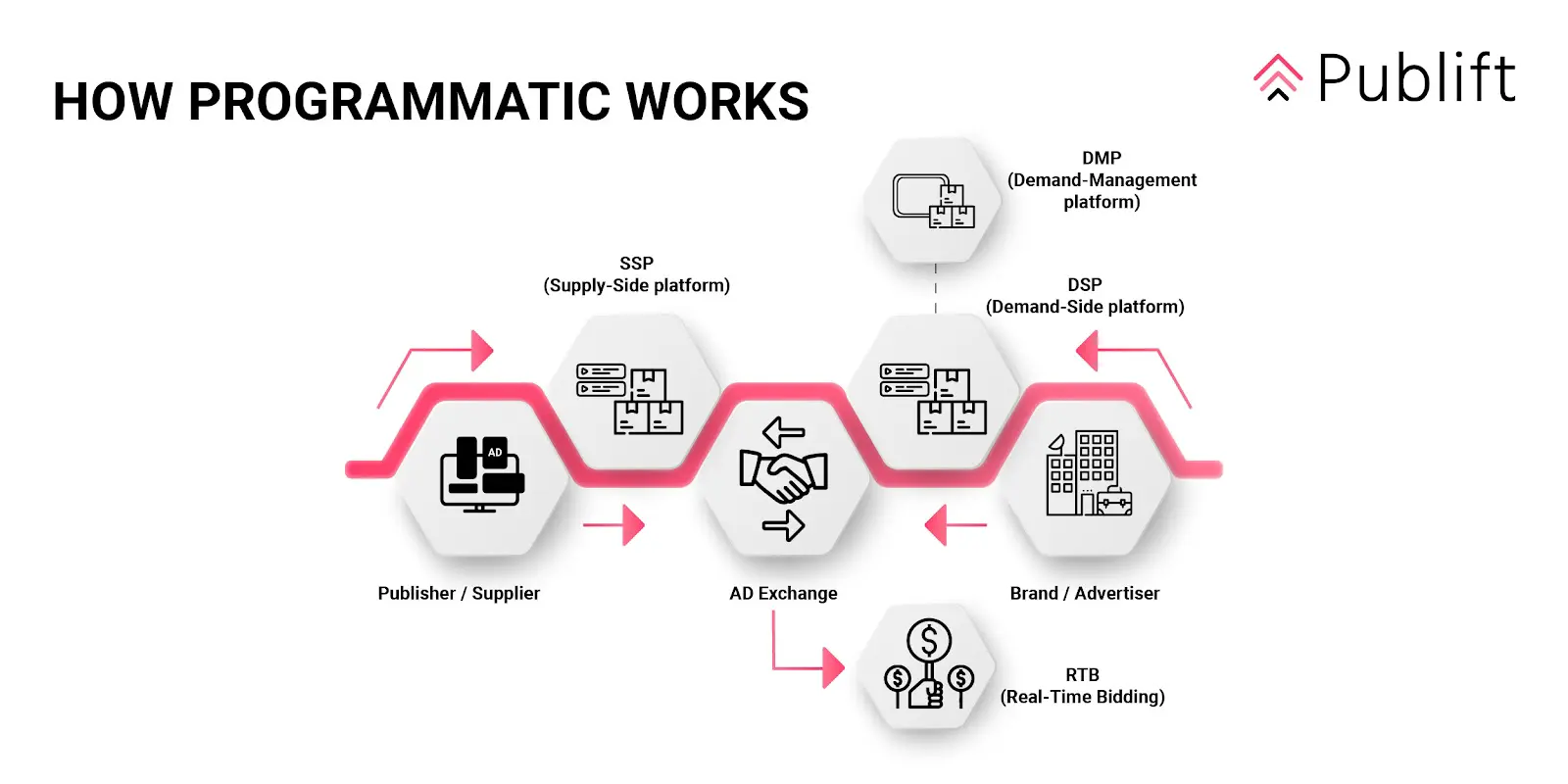
In the rapidly evolving world of digital marketing, programmatic advertising has emerged as a game-changing technology. If you’re running a business or managing marketing strategies, understanding programmatic advertising is crucial for reaching your audience effectively. So, what exactly is programmatic advertising, and how does it work? In this article, we’ll delve deep into this innovative advertising method, explore its benefits, and provide insights that can help you leverage it effectively.
Understanding Programmatic Advertising
Programmatic advertising refers to the automated buying and selling of online ad space using software, in contrast to the traditional method that involves human negotiations and manual insertion orders. This technology uses artificial intelligence (AI) to analyze consumer data, automate the ad purchasing process, and deliver highly targeted ads to the right audience, at the right time, and on the right devices.
A Brief History
The journey of programmatic advertising began in the early 2000s when the first automated online ad platform was launched. However, it was not until the 2010s that programmatic advertising began to gain widespread adoption. The advent of big data and advancements in AI made it easier for advertisers to reach potential consumers with unprecedented precision.
Types of Programmatic Advertising
Programmatic advertising is not a one-size-fits-all approach. It comes in several forms, each with its unique advantages. Here are the primary types:
-
Real-Time Bidding (RTB): This is the most common form of programmatic advertising. Advertisers bid on ad inventory in real-time, which makes it possible for them to reach their target audience efficiently. Each time a user visits a website, an auction occurs, and the highest bidder gets to display their ad.
-
Programmatic Direct: Unlike RTB, which relies on auctions, programmatic direct invoves a pre-negotiated agreement between advertisers and publishers. This method allows for guaranteed ad placements, which can be beneficial for campaigns needing specific exposure.
-
Private Marketplaces (PMPs): PMPs are a hybrid between RTB and programmatic direct. Advertisers can bid on inventory in a private environment, allowing them to maintain exclusive access while still leveraging the auction mechanism.
-
Preferred Deals: In preferred deals, advertisers can buy inventory at a fixed price before the ad is open to other bidders. This method gives advertisers the first right of refusal.
Key Components of Programmatic Advertising
To fully grasp how programmatic advertising works, it’s essential to understand its key components:
-
Demand-Side Platforms (DSPs): These are the software solutions that allow advertisers to purchase ad inventory in an automated way. DSPs use algorithms to determine the best ad placements based on various criteria, including user demographics, online behavior, location, and more.
-
Supply-Side Platforms (SSPs): These platforms help publishers manage their advertising space and maximize their revenues. SSPs use auction systems to sell ad space to the highest bidder, ensuring that publishers get the most value for their inventory.
-
Ad Exchanges: These are digital marketplaces that facilitate the buying and selling of ad inventory from various DSPs and SSPs. Ad exchanges operate like stock exchanges: They match buyers with sellers in real-time.
-
Data Management Platforms (DMPs): These platforms collect and analyze large volumes of data from various sources, including first-party data (data you collect directly) and third-party data (data collected from outside sources). This data is vital for targeting specific audiences and optimizing ad performance.
The Programmatic Advertising Process
Now that we’ve discussed the components, let’s break down how programmatic advertising works in practice:
-
User Identifies: The process begins when a user visits a website. This action triggers the ad space to become available for bidding.
-
Auction Initiation: An auction is initiated within milliseconds to determine which ad will be displayed. The ad impressions are sent to an ad exchange, where DSPs can bid on the inventory.
-
Bidding: Advertisers using DSPs analyze the available ad impression, taking into account factors like the user’s interests, past behavior, and demographics. They then place a bid based on the value they believe the impression holds.
-
Winning Bid and Ad Display: Once the bidding is complete, the ad exchange determines the highest bidder and displays their ad on the website. This entire process happens in mere milliseconds, ensuring a seamless user experience.
-
Performance Tracking: After the ad is displayed, the campaign’s performance can be tracked in real-time. Advertisers can see metrics like impressions, clicks, conversions, and return on investment (ROI).

- Overcome negative thought patterns, reduce stress, and live a worry-free life
- Overthinking is the biggest cause of unhappiness
- Don't get stuck in a never-ending thought loop
- Stay present and keep your mind off things that don't matter, and never will
- Break free of your self-imposed mental prison
Benefits of Programmatic Advertising
Not only is programmatic advertising a more efficient way to reach target audiences, but it also offers numerous benefits, including:
-
Increased Efficiency: Automating the ad buying process saves time and reduces manual errors, allowing marketers to focus on strategy rather than the nitty-gritty of negotiations.
-
Real-Time Data and Analytics: Advertisers gain access to real-time data, enabling them to adjust campaigns on-the-fly and make data-driven decisions. This agility enhances the overall effectiveness of advertising strategies.
-
Highly Targeted Reach: Programmatic technology enables advertisers to target specific demographics, interests, and online behaviors, ensuring that ads reach the right audience.
-
Cost-Effectiveness: By using automation to analyze and optimize campaigns, businesses can potentially reduce advertising costs while increasing their reach and effectiveness.
-
Scalability: Programmatic advertising allows businesses to scale their advertising efforts without a significant increase in effort or complexity. Whether you’re a small business or a large corporation, programmatic advertising can accommodate your needs.
Challenges in Programmatic Advertising
While programmatic advertising offers many advantages, it’s not without its challenges:
-
Ad Fraud: One of the most significant concerns in the world of digital advertising is ad fraud, where bots generate fake clicks or impressions. Advertisers need to implement stringent measures to combat this issue.
-
Transparency Issues: The complexity of the supply chain in programmatic advertising can lack transparency, making it challenging for advertisers to see exactly where their ad dollars are going.
-
Ad Blockers: With the rising use of ad blockers by users, reaching your audience has become increasingly difficult. Advertisers must find creative ways to engage consumers without being intrusive.
-
Data Privacy Regulations: With regulations like GDPR and CCPA in place, advertisers must be cautious and compliant in their use of consumer data. Understanding data privacy laws is essential for success in programmatic advertising.
How to Get Started with Programmatic Advertising
If you’re intrigued by the potential of programmatic advertising, here’s how to get started:
-
Define Your Goals: Before diving in, clarify your advertising objectives. Are you looking to increase brand awareness, drive traffic, generate leads, or boost sales? Defining your goals will guide your strategy.
-
Choose the Right Platforms: Depending on your goals, select the appropriate DSPs and SSPs. Research different platforms to see which aligns best with your business needs.
-
Develop Your Target Audience: Use data and analysis to create detailed personas that represent your target audience. The more specific you can be, the better your targeting will be.
-
Set Your Budget: Determine how much you can afford to spend on programmatic advertising. Establishing a budget will help you manage your costs and optimize your campaigns effectively.
-
Create Compelling Ads: Design ads that capture attention and encourage engagement. Invest time in creating visually appealing and relevant ad content.
-
Monitor and Optimize: After launching your campaigns, continuously track their performance. Use the real-time data to make adjustments that can improve your return on investment.
Conclusion
Understanding programmatic advertising is essential for businesses looking to thrive in the digital age. As audience behavior continues to evolve, adapting to advanced advertising methods becomes imperative. With its ability to target specific demographics, automate processes, and deliver real-time data, programmatic advertising stands out as a modern necessity in the marketing landscape. By embracing this technology and following best practices, businesses can enhance their visibility and drive significant results in today’s competitive marketplace.
Final Thoughts
In summary, programmatic advertising is revolutionizing how businesses advertise online, offering efficiency, precision, and measurable results. Whether you’re a seasoned marketer or just starting, taking the time to understand programmatic can yield great benefits for your advertising strategy. Stay informed, remain adaptable, and let programmatic advertising work for you in achieving your business goals. Happy advertising!


