
In the rapidly evolving landscape of work, one term has emerged as a beacon of a new lifestyle: digital nomads. These intrepid professionals leverage technology to work remotely, often while traveling the globe. But what exactly is the role of digital nomads in global business? Beyond just a trendy lifestyle choice, they represent a significant shift in how businesses operate and in how we perceive the borders of work and leisure. In this comprehensive article, we will delve deep into the various dimensions of this phenomenon, exploring the impact of digital nomads on global business trends, companies’ operational strategies, and economic dynamics across different regions.
Understanding the Digital Nomad Lifestyle
Before we dive into their role in global business, it’s important to define what a digital nomad is. Digital nomads are typically individuals who have the autonomy to work remotely, usually facilitated by technology. They can be freelancers, entrepreneurs, employees, or contractors who can work from anywhere, provided they have a reliable internet connection. Popular locations include bustling cities, serene beaches, and exotic landscapes, with areas like Bali, Lisbon, and Buenos Aires becoming hotspots for these wandering professionals.
The Rise of the Digital Nomad
The digital nomad lifestyle gained momentum in the early 2000s with the rise of the internet and advances in technology. However, it exploded in popularity during the COVID-19 pandemic when remote work became a necessity. Many workers found themselves reevaluating their job structures and lifestyles, seeking flexibility and adventure while continuing to pursue their careers. This shift was not just about finding a new way to work; it was about redefining the relationship between work and life.
The Economic Impact of Digital Nomads
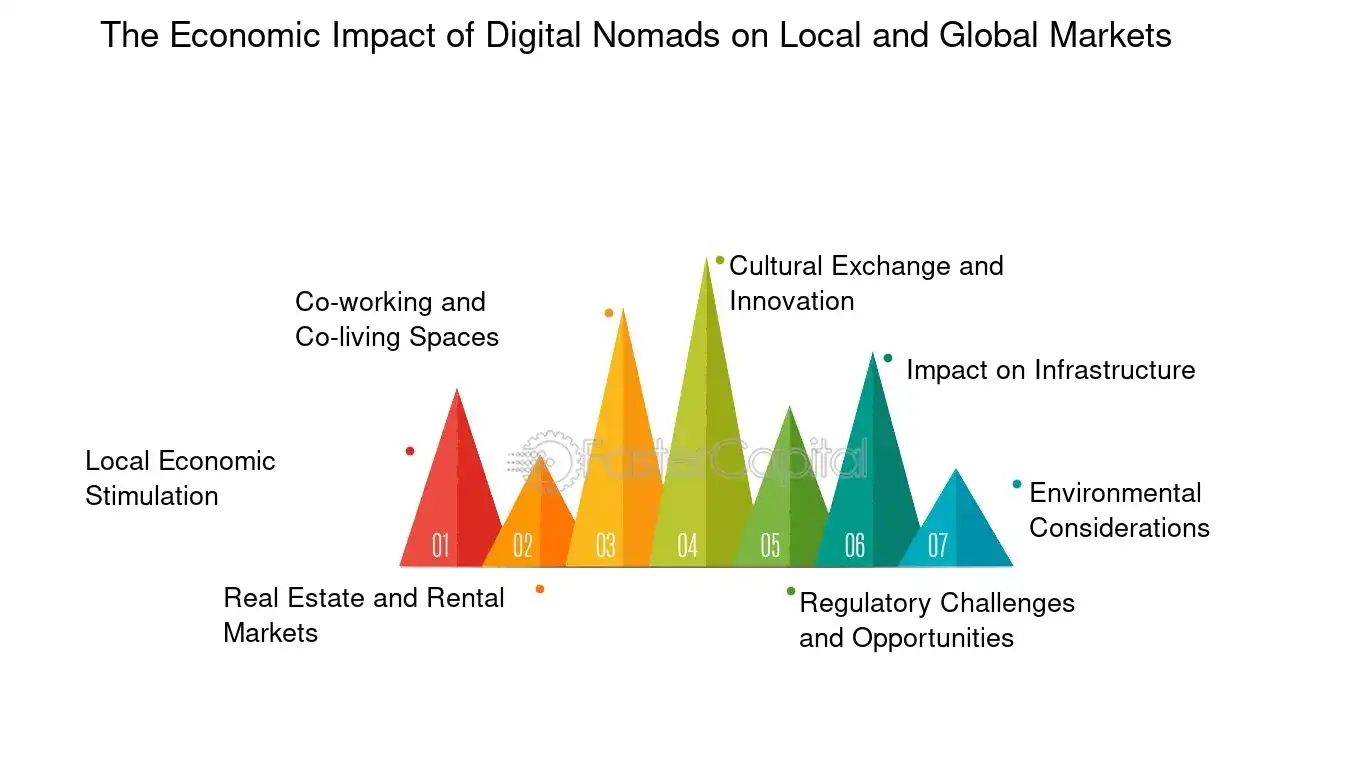
Digital nomads contribute significantly to the global economy. Their movements can stimulate local economies, as they often spend money on housing, food, transportation, and services in the countries they inhabit. According to studies, digital nomads contribute billions of dollars to economic growth in various regions each year. However, their impact goes beyond mere numbers.
1. Boosting Local Economies
When digital nomads settle in a new city, they often integrate themselves into local communities. They frequent cafés, co-working spaces, and local businesses, injecting cash into the local economy. Countries that embrace this model, like Portugal and Thailand, have seen substantial economic benefits.
Co-Working Spaces: One of the distinguishing features of the digital nomad lifestyle is the reliance on co-working spaces. These shared offices not only provide an environment for productivity but also foster a sense of community among remote workers. As demand for such spaces increases, it creates jobs and stimulates entrepreneurship in service-providing sectors.
2. Changing Workforce Dynamics
Digital nomads are also playing a crucial role in altering traditional workforce dynamics. Their experience has brought about a stronger emphasis on flexibility and autonomy in work environments. Companies are starting to recognize that productivity is not solely tied to being in a physical office, leading to a shift in corporate policies regarding remote work.
3. Knowledge Transfer and Cultural Exchange
Digital nomads contribute to a globalized workforce through knowledge transfer. Bringing diverse skill sets and cultural perspectives, they enhance collaboration and innovation within businesses. This intercultural exchange fosters a richer creativity pool, which is essential for companies hoping to thrive in an increasingly competitive global market.
Embracing New Business Models
Digital nomads are also influencing the emergence of new business models. Traditional 9-to-5 setups are increasingly being replaced by flexible arrangements, catering to the unique needs and preferences of modern workers.
1. Gig Economy Expansion
The gig economy has flourished alongside the rise of digital nomadism. Many nomads engage in freelance work or short-term contracts, allowing them to pursue multiple income streams. This not only provides financial security to individuals but also offers businesses a versatile and adaptive workforce.

- Overcome negative thought patterns, reduce stress, and live a worry-free life
- Overthinking is the biggest cause of unhappiness
- Don't get stuck in a never-ending thought loop
- Stay present and keep your mind off things that don't matter, and never will
- Break free of your self-imposed mental prison
2. Global Talent Acquisition
Companies are now tapping into a global talent pool, hiring based on skills rather than geographical location. This has led to increased diversity in the workforce as businesses seek specialized knowledge that may not be readily available within their immediate surroundings.
3. Agile and Remote-Friendly Companies
Organizations have begun adopting more agile work structures to accommodate digital nomads. Agile methodologies encourage adaptive planning, evolutionary development, and early delivery—all crucial components for companies engaging with a remote workforce. Moreover, remote-friendly practices such as regular virtual check-ins and strong digital communication tools are essential to cultivate employee engagement and productivity.
Challenges and Considerations
While the rise of digital nomads presents unique opportunities for global business, it also poses challenges that must be addressed.
1. Legal and Tax Implications
One of the most pressing concerns for digital nomads involves navigating the complex web of legal and tax regulations. Residency and work permits can become intricate, often requiring professional legal advice. Countries are starting to recognize this issue and are creating special visas tailored for remote workers to attract these skilled individuals.
2. Cultural and Communication Barriers
Though digital nomads enhance cultural diversity within businesses, they can also bring about challenges in terms of communication styles and organizational culture. Teams must actively work towards fostering inclusivity and understanding to bridge any potential gaps.
3. Economic Sustainability
While the influx of digital nomads can provide immediate economic benefits to local communities, there is a risk of gentrification—where rising living costs can displace local residents. Ensuring that communities remain affordable and locally driven requires a balance between welcoming nomadic lifestyles and preserving local culture.
The Future of Digital Nomadism in Global Business
As we move forward, the digital nomad movement is likely to continue its influence on global business. Here are a few trends to keep an eye on:
1. Growing Acceptance Among Corporations
Major corporations are beginning to recognize the benefits of a flexible workforce, with some even establishing permanent remote work policies. This shift indicates an increasing acceptance of digital nomadism as a viable work model, helping enhance employee recruitment and retention.
2. Continued Evolution of Co-Working Spaces
As more professionals adopt the digital nomad lifestyle, we expect to see the proliferation of co-working spaces worldwide. Beyond just places to work, these spaces will likely evolve into cultural hubs that foster creativity, collaboration, and networking among like-minded individuals.
3. The Rise of Remote-first Startups
The entrepreneurial landscape is increasingly shifting towards remote-first startups, where teams are built from the ground up with a global perspective. This new model presents a unique opportunity for innovation as these startups can recruit diverse talent regardless of location and adapt quickly to various market trends.
4. Focus on Hybrid Work Models
Many businesses are expected to adopt hybrid work models that blend in-office and remote work. This flexibility will allow organizations to tap into talent pools worldwide while still maintaining a local presence.
Conclusion
The role of digital nomads in global business is profound and multifaceted. As they continue to reshape work dynamics, economic models, and cultural exchanges, they are pushing the boundaries of what it means to have a workplace. It is a movement that embraces innovation, flexibility, and interconnectedness, making our world smaller and more accessible. For aspirational professionals and businesses alike, understanding the implications of this lifestyle is crucial in navigating the future of work. Whether you dream of working from the beaches of Thailand or the historic streets of Europe, the digital nomad lifestyle opens up exciting possibilities that both individuals and businesses can harness for success in an increasingly globalized world.


