
In the ever-evolving world of finance, Special Purpose Acquisition Companies (SPACs) have emerged as a popular vehicle for funding startups and facilitating their entry into public markets. For entrepreneurs, investors, and industry enthusiasts, understanding the role of SPACs is crucial for navigating the complexities of capital raising. This article explores the fundamentals of SPACs, their impact on startup funding, and what you need to know if you’re looking to leverage this innovative financial instrument for your own ventures.
What Are SPACs?
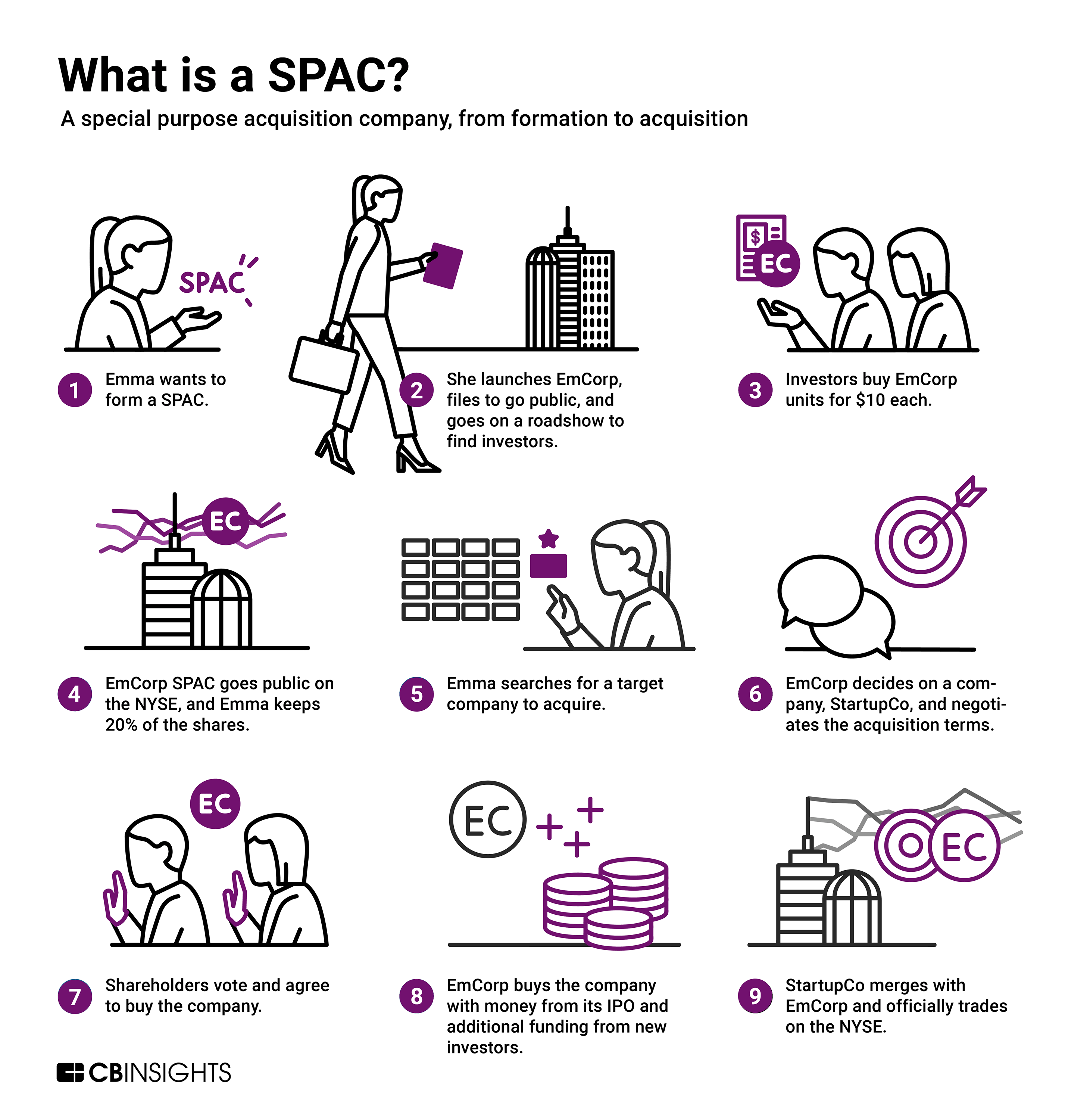
Before we delve into the specifics of their role in startup funding, let’s clarify what a SPAC is. A SPAC is essentially a shell company that goes public with the sole purpose of acquiring a private company. This process allows the private company to enter the public market more rapidly than traditional IPO routes. SPACs raise money through an IPO, placing funds in a trust until they identify a target company to merge with.
Once a target is found, the SPAC negotiates a merger deal. If all goes well, the merger allows the private company to become publicly traded without undergoing the standard, lengthy IPO process.
The Rise of SPACs
The SPAC craze really took off in 2020, fueled by the volatility of traditional markets and the onset of the COVID-19 pandemic. Many investors began to see SPACs as a new frontier for capitalizing on innovative startups, with a plethora of companies enticing investors with unique business models and growth potential.
Since then, hundreds of SPACs have entered the market, drawing billions in investment and creating a significant amount of interest in how they function. The allure lies in their potential to provide startups with greater flexibility and a faster route to capital—a win-win scenario for both sides of the equation.
How Do SPACs Work in Startup Funding?
1. Institutional Capital Access:
For startups, one of the significant challenges is accessing the institutional capital required for growth. SPACs provide a unique vehicle that allows these companies to tap into a pool of investors eager to diversify their profiles. By going public via SPACs, startups can gain direct exposure to institutional interest quickly, which may be more challenging through traditional IPO channels.
2. Less Regulatory Burden:
A traditional IPO requires an extensive regulatory framework, which many startups simply cannot afford or may find daunting. SPACs, however, offer a less burdensome alternative. Merging with a SPAC involves fewer regulatory hurdles, streamlining the process for startups that may not have the extensive resources or connections typically required for going public through traditional means.
3. Speed to Market:
In a rapidly changing business environment, timing can be everything. The speed at which startups can go public through a SPAC is immensely beneficial. A traditional IPO might take several months or even years, depending on a company’s readiness and market factors. In contrast, SPAC combinations are often finalized in weeks. This expedited timeline can be crucial for companies looking to capitalize on current trends or market opportunities.
4. Valuation Certainty:
Another attractive aspect of SPACs is the valuation certainty they offer. In traditional IPOs, market fluctuations can significantly impact a company’s valuation leading to underpricing or overpricing. Since the merger agreement is negotiated ahead of time, startups can achieve a clearer and often more fair assessment of their value, allowing for a more stable launch into the public markets.
5. Marketing Advantage:
The marketing potential of being in a SPAC merger isn’t to be overlooked. The deal often attracts substantial media attention that can boost visibility for the startup. For limited marketing budgets, this exposure can lead to new customers, partnerships, and even additional investor interest.
Potential Downsides of SPACs for Startups
While there are certainly advantages to considering a SPAC as a funding route, there are also several downsides to be aware of:
SPAC shareholders often desire immediate growth and returns. This can create pressure on the newly public company to deliver rapid results, which isn’t always in alignment with long-term strategic goals.

- Overcome negative thought patterns, reduce stress, and live a worry-free life
- Overthinking is the biggest cause of unhappiness
- Don't get stuck in a never-ending thought loop
- Stay present and keep your mind off things that don't matter, and never will
- Break free of your self-imposed mental prison
2. Dilution of Ownership:
As with any public offering, founders and early investors may face significant dilution of ownership in the company post-SPAC merger. The issuance of additional equity to public investors can reduce the percentage of ownership retained by existing stakeholders.
3. Market Uncertainty:
The market dynamics affecting SPACs can be volatile. A negative perception of SPACs or poor performance of recent SPAC mergers can detrimentally impact the newly public company’s stock performance. This can affect investor confidence and make additional capital raising more challenging in the future.
4. Regulatory Scrutiny:
While SPACs initially offer a less burdensome regulatory environment for startup mergers, the increased attention on the SPAC space has led to more scrutiny from regulators. This has resulted in more compliance considerations post-merger.
Notable Examples of SPACs in Startup Funding
To better illustrate how SPACs influence startup funding, let’s examine some notable examples:
1. DraftKings:
One of the most recognized SPAC mergers occurred with DraftKings. Initially founded as a private fantasy sports company, it merged with Diamond Eagle Acquisition Corp., and became publicly traded in April 2020. The deal raised over $1.5 billion, showcasing the potential for sports betting platforms at a time when audiences were turning toward online gambling.
2. Nikola Corporation:
Nikola, an electric vehicle startup, completed a SPAC merger with VectoIQ Acquisition Corp in June 2020. The deal provided Nikola with over $1 billion in cash and accelerated its ambition to enter the competitive EV market.
3. Clover Health:
Clover, a health tech company focused on improving Medicare coverage, merged with Social Capital Hedosophia Holdings Corp III. This merger was notable for its role in the health tech explosion during the pandemic, providing Clover with the resources to drive its growth.
Future Trends: SPACs and Startup Funding
As we look ahead, the role of SPACs in startup funding continues to evolve. Here are some emerging trends to keep an eye on:
1. Increased Regulatory Oversight:
Given the surge in SPAC deals, we can anticipate more scrutiny. Regulators are likely to put additional guidelines in place, which could shape how future SPAC mergers are conducted.
2. Institutional Investment Strategies:
More institutional investors are beginning to understand the dynamics of SPACs and view them as a distinct asset class. This could lead to more sophisticated investment strategies surrounding SPAC deals, ultimately changing the landscape of startup funding.
3. Innovative Business Models:
As SPACs continue to proliferate, we can expect to see more innovative types of businesses exploring public markets through SPACs. This may include the health, tech, and renewable energy sectors, which are expected to grow rapidly in the coming years.
4. Educational Resources:
As awareness and adoption of SPACs increase, so too will the demand for educational resources. Founders, investors, and entrepreneurs will seek to understand better how to engage with SPACs in thoughtful, strategy-driven ways.
In closing, SPACs present an exciting opportunity for startups looking to raise capital quickly and effectively. From providing unique access to institutional investors to offering a less burdensome regulatory route, SPACs are reshaping the way we think about public funding in today’s financial landscape.
However, while the benefits are substantial, startups need to approach SPAC deals with an understanding of the potential challenges and market dynamics at play. The world of finance is always changing, and as SPACs continue to evolve, staying informed will be vital for entrepreneurs and investors alike.
In a nutshell, the role of SPACs in startup funding is undoubtedly significant and growing. Whether you are an entrepreneur considering funding options for your business or an investor looking to navigate this landscape, it is critical to understand the intricacies of SPACs and how they may align with your strategic goals. For those willing to embrace this innovative funding route, the possibilities can be as endless as your ambition.


