
Starting a business is a thrilling journey filled with creativity, innovation, and the promise of financial success. However, raising capital for your startup isn’t just about securing funds; it also involves understanding various legal and tax implications that can significantly impact your business’s future. As a travel enthusiast, you likely bring a unique perspective to your startup projects, but when it comes to financial aspects, such as tax implications while raising capital, it’s essential to tread carefully. In this article, we will explore the critical tax considerations that entrepreneurs should keep in mind as they navigate the fundraising landscape.
The Basics of Raising Capital
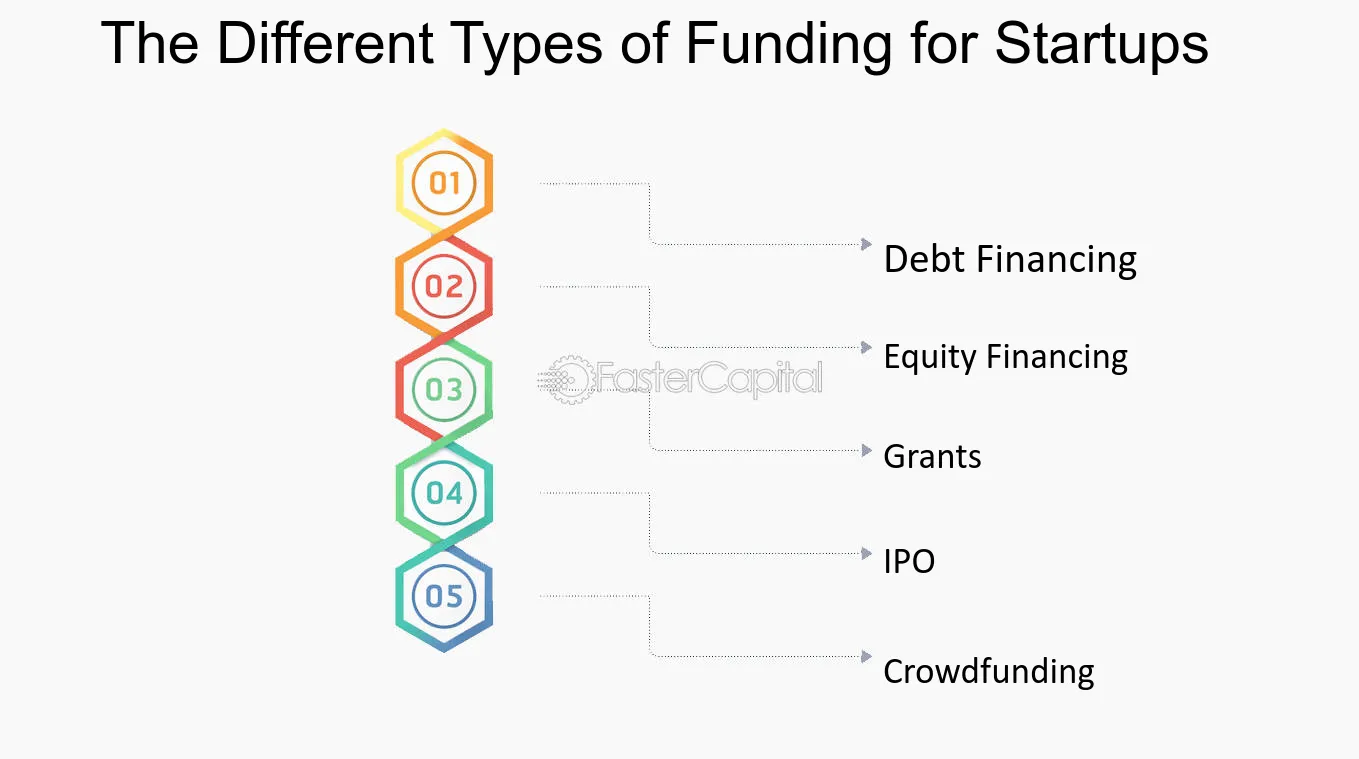
When it comes to raising capital, startups usually explore several options, each with its own set of potential tax implications. The primary methods include:

- Bootstrapping
- Angel Investors
- Venture Capital
- Crowdfunding
- Loans and Grants
Each method has distinct advantages and disadvantages, including how they affect your taxes. Let’s delve into the tax implications associated with these options.
1. Bootstrapping: The Self-Financing Approach
Bootstrapping refers to funding your startup with personal savings or revenue generated from early sales. While there are fewer tax complications in self-funding, it still requires some awareness.
-
Personal Income Tax: If you use your personal savings, remember that any income generated from the business will be subject to personal income tax.
-
Business Expenses: Keep track of all expenses related to your startup, as they may be deductible. Common deductible expenses include office supplies, travel, marketing, and professional services.
Conclusion: Bootstrapping can be a straightforward route, but maintaining accurate financial records is crucial for tax purposes.
2. Angel Investors: Selling Equity
Angel investors are typically high-net-worth individuals who provide capital in exchange for equity. While this can be a great way to secure funding, it comes with some tax considerations.
-
Stock Options and Equity: If you’re offering stock options to attract angel investors, understand how these will be taxed. When options are exercised, they generate income subject to taxation.
-
Capital Gains Tax: If investors sell their shares later, they may face capital gains tax on the profit, particularly if they hold the shares for more than a year.
-
Regulatory Compliance: Ensure compliance with IRS regulations concerning securities. Noncompliance could lead to penalties and tax liabilities.
Conclusion: It’s vital to consult a tax professional to navigate the intricacies of equity issuance properly.
3. Venture Capital: The Big Players
Venture capital (VC) can provide significant funding by pooling resources from multiple investors. However, the tax implications can be complicated.
-
Carried Interest: VCs often earn ‘carried interest’, a share of the profits that’s typically taxed at lower capital gains rates rather than ordinary income rates. If your startup partners with VCs, understand how this affects your valuation.
-
Impact on Valuation and Equity Dilution: With significant funding can come a dilution of your ownership stake, which can affect your personal tax situation.
-
Exit Strategy: VCs often have a performance timeline that dictates when to sell their investment or take the company public. When exit strategies come into play, various tax implications arise depending on how long the investment was held.
Conclusion: The VC route can provide immense resources but be ready to manage a complex tax landscape.
4. Crowdfunding: The New Frontier
Crowdfunding platforms allow many supporters to invest in a startup in exchange for rewards, equity, or debt. Using platforms like Kickstarter, Indiegogo, or GoFundMe, while exciting, also brings unique tax implications.
-
Taxable Income: Contributions through crowdfunding may be considered taxable income. If contributors receive rewards (like products or services) in return, the income from sales must be reported.
-
Equity Crowdfunding: If you offer equity, ensure you’re compliant with SEC rules and understand how equity issued could impact your tax situation, especially around capital gains.

- Overcome negative thought patterns, reduce stress, and live a worry-free life
- Overthinking is the biggest cause of unhappiness
- Don't get stuck in a never-ending thought loop
- Stay present and keep your mind off things that don't matter, and never will
- Break free of your self-imposed mental prison
Conclusion: Treat all crowdfunding income as taxable to avoid surprises come tax season.
5. Loans and Grants: Debt Financing
Loans and grants can be a viable way to fund a startup without relinquishing equity, but they come with their own set of tax implications.
-
Deductible Interest: Usually, the interest paid on business loans can be deducted as a business expense, reducing your overall taxable income.
-
Grants as Income: While grants do not have to be paid back, they’re typically treated as taxable income. You’ll need to report them on your tax returns.
-
Loan Forgiveness: If any portion of a loan is forgiven, that amount would be considered taxable income.
Conclusion: Always assess how loans and grants will affect your tax return, especially if any portion may be forgiven.
The Importance of Keeping Good Records
Regardless of which fundraising option you choose, accurate record-keeping is essential. Good records not only help in calculating your deductions but also in reporting and sustaining compliance with IRS requirements. Here are a few tips:
-
Organize Receipts: Keep all receipts for business expenses. Utilizing apps for expense tracking can streamline this process.
-
Use Accounting Software: Consider investing in accounting software to simplify bookkeeping, track income and expenses, and prepare for tax filing.
-
Consult a Professional: Tax laws are ever-evolving. Working with a CPA familiar with startup businesses can provide insights tailored to your circumstances, helping you avoid costly mistakes.
Special Tax Considerations for Startups
Besides the fundraising methods, startups must consider tax incentives and credits that may apply, particularly in the technology and research sectors.
-
Small Business Association (SBA) Tax Credits: Explore tax credits available through the SBA, especially for certain industries or regions.
-
R&D Tax Credits: If your startup focuses on innovation or research and development, consider applying for R&D tax credits, which may help offset costs.
Common Mistakes to Avoid
As you embark on your adventure of raising capital, avoid these common tax pitfalls:
-
Neglecting Compliance: Ensure compliance with federal, state, and local tax requirements. Ignorance of the law is no defence.
-
Mixing Personal and Business Finances: Keep personal and business finances separate. This practice aids in accurate reporting and offers legal protections.
-
Ignoring Professional Advice: Seek guidance from tax professionals who can help you set up your business correctly from the start.
Final Thoughts
Raising capital for your startup can be exciting and daunting in equal measure. However, knowing the tax implications from the start can help you make informed decisions, avoid penalties, and pave the way for your startup’s success. Just like your adventures in travel, launching a startup requires planning, understanding, and the ability to adapt to new situations.
In conclusion, whether you bootstrap, attract angel investors, partner with venture capitalists, crowdsource, or embrace loans and grants, remember to include tax implications in your funding strategy. This foresight can enhance your business’s fiscal health and play a crucial role in your long-term success. As you set out on this entrepreneurial journey, consider enriching it with the same spirit of adventure that drives your passion for travel and exploration.
Start your startup right, and may your entrepreneurial journey lead to vast horizons and great accomplishments!


