
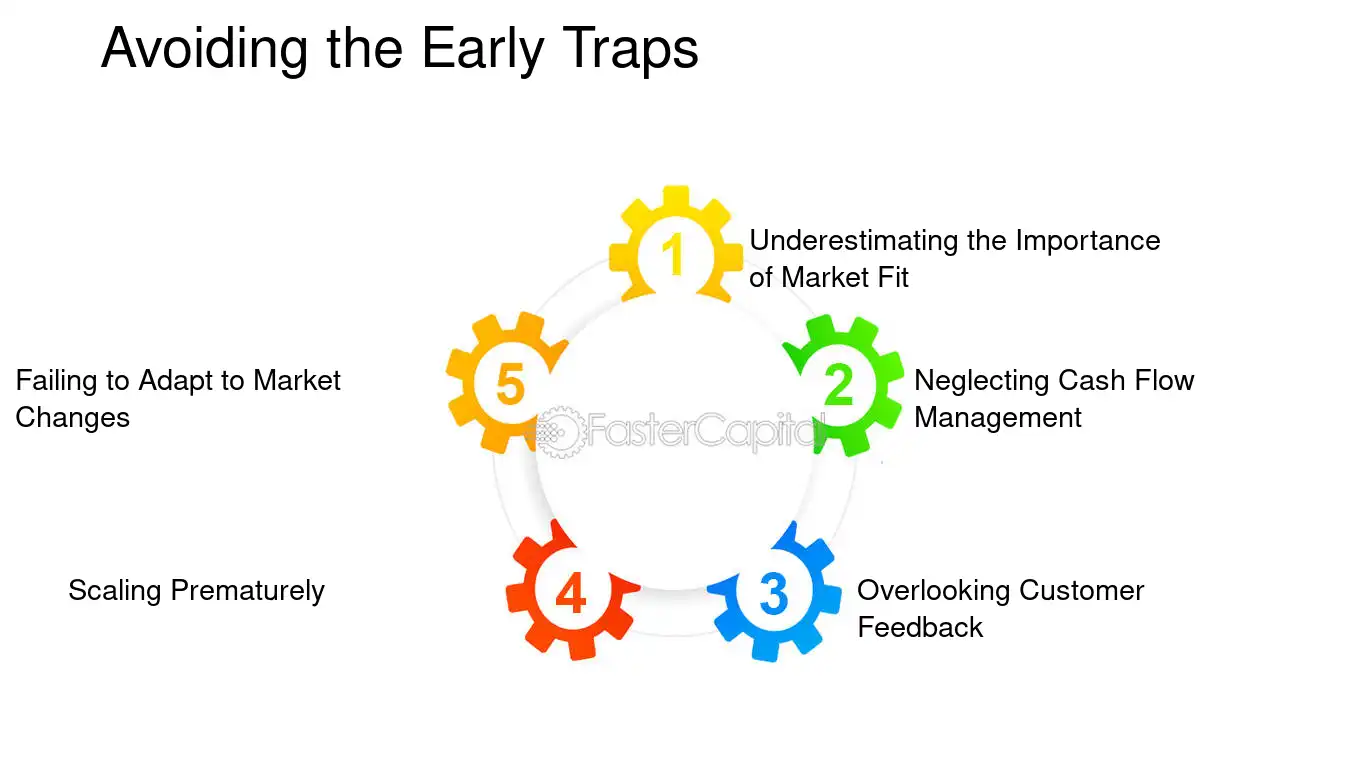
The tech landscape is a bustling marketplace teeming with innovative ideas, disruptive technology, and budding entrepreneurs eager to make their mark. Among these innovations, Software as a Service (SaaS) stands out as a model that has transformed the way businesses operate. However, along with its skyrocketing popularity, SaaS has also seen its fair share of failures. For every success story like Slack or Zoom, there exist numerous cautionary tales of startups whose ambitious business plans overpromised and underdelivered.
In this article, we will dive deep into the common pitfalls of overpromising in SaaS business plans, highlight lessons from failed startups, and provide insights into how aspiring SaaS entrepreneurs can avoid these mistakes and build sustainable companies.
Understanding SaaS and Its Appeal
At its core, SaaS is a cloud-based service that allows users to access software applications via the internet. This model eliminates the need for physical hardware installations and provides users with flexible, scalable solutions. The appeal of SaaS lies in its subscription-based pricing, which lowers the barrier to entry for customers and encourages more organizations to integrate technology into their business workflows.
But while the model seems straightforward, the execution can be incredibly complex. Entrepreneurs must navigate numerous challenges, from understanding their market and developing a compelling product to devising a pricing strategy that resonates with potential customers. Yet, one of the most critical aspects is often overlooked: setting realistic expectations.
The Overpromise Trap
Many startups find themselves caught in the overpromise trap, where the ambition to impress investors or attract customers leads them to craft inflated claims about their product or service. This overpromising can take various forms, including:
- Exaggerated Features: Claiming that the software can accomplish more than it realistically can.
- Unattainable Growth Projections: Setting overly optimistic revenue targets and market penetration goals.
- Misrepresentation of Capabilities: Suggesting that the software can seamlessly integrate with existing systems when, in reality, significant challenges exist.
The Cost of Overpromising
Overpromising can lead to a series of detrimental outcomes:
-
Customer Dissatisfaction: When the reality of the product falls short of expectations, customers are likely to feel frustrated and disengaged.
-
Brand Damage: Failed promises can tarnish a brand’s image, making it harder to attract new customers or retain existing ones.
-
Investor Distrust: Investors who have been misled by overly optimistic forecasts may lose confidence in the company’s leadership and long-term viability.
-
Cash Flow Problems: Overpromising can lead to unsustainable growth plans, resulting in cash-flow issues when projected figures don’t materialize.
Lessons from Failed SaaS Startups
To understand the implications of overpromising, we can look at several notable SaaS startups that experienced significant challenges or outright failure due to unrealistic expectations.
1. Theranos: A Cautionary Tale for All Startups
Though it’s not a traditional SaaS company, Theranos exemplifies the dangers of overpromising. The company claimed to revolutionize blood testing through advanced technology that allowed for multiple tests to be performed with just a drop of blood. Ultimately, the technology didn’t work as promised, leading to its infamous downfall. The lesson here is clear: Prioritize honest communication about your product’s capabilities. Failing to do so can lead to devastating consequences for both the business and its stakeholders.
2. Quibi: A Disruption That Disappeared
Quibi launched with massive fanfare, promising an innovative platform for short-form content designed specifically for mobile viewing. However, the service failed to resonate with users, and part of the problem stemmed from overpromising at launch. Quibi quickly fell victim to a lack of compelling content and an unclear value proposition, leading to its eventual shutdown within six months. This case serves as an essential reminder to ensure a market fit by thoroughly understanding your target audience and their needs before making bold claims.

- Overcome negative thought patterns, reduce stress, and live a worry-free life
- Overthinking is the biggest cause of unhappiness
- Don't get stuck in a never-ending thought loop
- Stay present and keep your mind off things that don't matter, and never will
- Break free of your self-imposed mental prison
3. Yik Yak: A Flash in the Pan
Yik Yak promised anonymous social networking for college campuses, quickly gaining popularity but failing to sustain it. The app initially thrived through viral marketing but couldn’t manage the growth and eventually became plagued by controversies over harassment and bullying. Yik Yak overpromised its ability to maintain a safe environment while not adequately addressing user concerns. This failure highlights the importance of having a concrete plan for addressing potential adverse effects of your service.
4. X.com (now PayPal)
The story of X.com shows how an ambitious vision can falter without proper execution. Originally launched with the promise of revolutionizing online banking, it overpromised features that the technology simply couldn’t support at the time. While it ultimately became a success as PayPal, the convoluted beginnings underscored the necessity of developing incrementally and focusing on core functionalities before scaling.
Strategies for Avoiding Overpromise Pitfalls
While the examples above serve as sobering warnings, they also provide an opportunity for learning. Below are several strategies that SaaS entrepreneurs can employ to avoid the overpromise trap:
1. Conduct Thorough Market Research
Understanding your target audience is critical. Speak directly to potential customers to grasp their pain points and needs. This research will ground your business plan in reality, preventing you from making unrealistic claims.
2. Establish Clear, Achievable Goals
Setting ambitious goals is important, but they must also be attainable. Employ the SMART criteria—Specific, Measurable, Achievable, Relevant, and Time-bound—to guide your objective-setting.
3. Prioritize Product Development
Instead of claiming that your software can do everything, focus on perfecting a few core features. Getting product-market fit right is essential before expanding your offerings.
4. Practice Transparency with Stakeholders
Open lines of communication with your customers and investors will help build trust. Be honest about your SaaS product’s limitations and challenges, as well as your plans for overcoming them.
5. Regularly Evaluate Performance Metrics
Instead of sticking rigidly to initial forecasts, analyze performance metrics frequently. This data will help you identify trends and necessary adjustments, allowing you to pivot when necessary and maintain credibility.
The Path Forward: Building a Sustainable SaaS Business
While the pitfalls of overpromising can appear daunting, it’s worth noting that many successful SaaS companies have thrived by prioritizing transparency and realistic planning. Companies like Basecamp and Mailchimp, for instance, began with focused offerings that served their audiences well before gradually expanding their services.
Conclusion: Learning from the Past
The landscape of SaaS entrepreneurship can be filled with perils for those who are not vigilant. While the allure of lofty promises may seem tempting, the lessons learned from failed startups remind us that sustainable growth comes from authenticity, realistic goals, and a deep understanding of customer needs.
By keeping these insights in mind and avoiding the overpromise trap, SaaS founders can pave the way for their companies to flourish. As the saying goes, “Underpromise and overdeliver.” By setting appropriate expectations and following through with quality offerings, the path to long-term success becomes that much clearer. Today’s entrepreneurs can leverage these lessons to fuel innovations that will not only resonate with customers but also contribute positively to the broader tech ecosystem.


