
In the modern age, video content creation is booming. Whether you’re a professional videographer or an amateur content creator, choosing the right video camera is crucial. In this article, we will explore the various features of different cameras and guide you on how to choose the perfect one based on your needs. Let’s dive into it!
Introduction: Why You Need a Good Video Camera
Gone are the days when video cameras were just for professionals. Today, anyone can capture high-quality videos thanks to advancements in technology. From social media influencers to YouTubers and family events, a good video camera can make a significant difference in how your videos turn out. But with so many options available, how do you know which video camera is right for you?
Understanding the Basics: What Is a Video Camera?
A video camera is a device that captures moving images and converts them into digital data. Modern video cameras come with advanced features like 4K resolution, high frame rates, stabilization, and various shooting modes. These features allow users to capture professional-quality videos without needing expensive equipment.
Types of Video Cameras
When shopping for a video camera, it’s essential to know the types available. Here’s a breakdown:
1. Camcorders
These are the traditional video cameras with built-in zoom and stabilization features, perfect for recording events like weddings, birthdays, and documentaries.
2. DSLRs and Mirrorless Cameras
Though originally designed for photography, these cameras are now popular among videographers due to their ability to shoot high-quality videos.
3. Action Cameras
Action cameras, such as GoPros, are designed for capturing adventure sports, underwater videos, and fast-paced activities.
4. Cinema Cameras
High-end professional cameras designed for filmmaking and production-level videos.
What Features to Look for in a Video Camera
Choosing the right video camera requires understanding what features matter the most. Below are the key factors to consider.
1. Sensor Size and Quality
The sensor is the heart of the camera. A larger sensor allows the camera to capture more light, resulting in better image quality, especially in low-light conditions. The most common types of sensors include:
- CMOS Sensors: Popular for consumer and professional cameras.
- CCD Sensors: Typically used in high-end cameras but less common today due to cost.
2. Resolution
When it comes to video resolution, the higher, the better. Here are the most common resolutions:
- HD (720p): Basic quality, but no longer standard.
- Full HD (1080p): Still widely used and offers excellent quality.
- 4K UHD: Currently the gold standard for video quality.
- 8K: Cutting-edge but overkill for most users.
3. Frame Rate
Frame rate refers to the number of frames the camera captures per second (fps). For cinematic videos, 24 fps is standard, but for slow-motion or fast-paced action, 60 fps or higher is recommended.
4. Stabilization
Video stabilization is essential for capturing smooth, shake-free footage. There are two main types of stabilization:
- Optical Stabilization: Corrects camera shake in real-time.
- Digital Stabilization: Post-processes the video to reduce shake.
5. Autofocus Capabilities
Fast and accurate autofocus is critical, especially when recording moving subjects. Look for cameras with reliable autofocus systems, such as Sony’s eye-tracking AF or Canon’s Dual Pixel AF.
6. Connectivity Options
Many modern cameras come with Wi-Fi, Bluetooth, and NFC for easy file transfer and remote control. HDMI output is also essential for connecting the camera to external monitors.
Top Video Cameras in 2024
Here are some of the best video cameras available in 2024, based on features, quality, and usability.
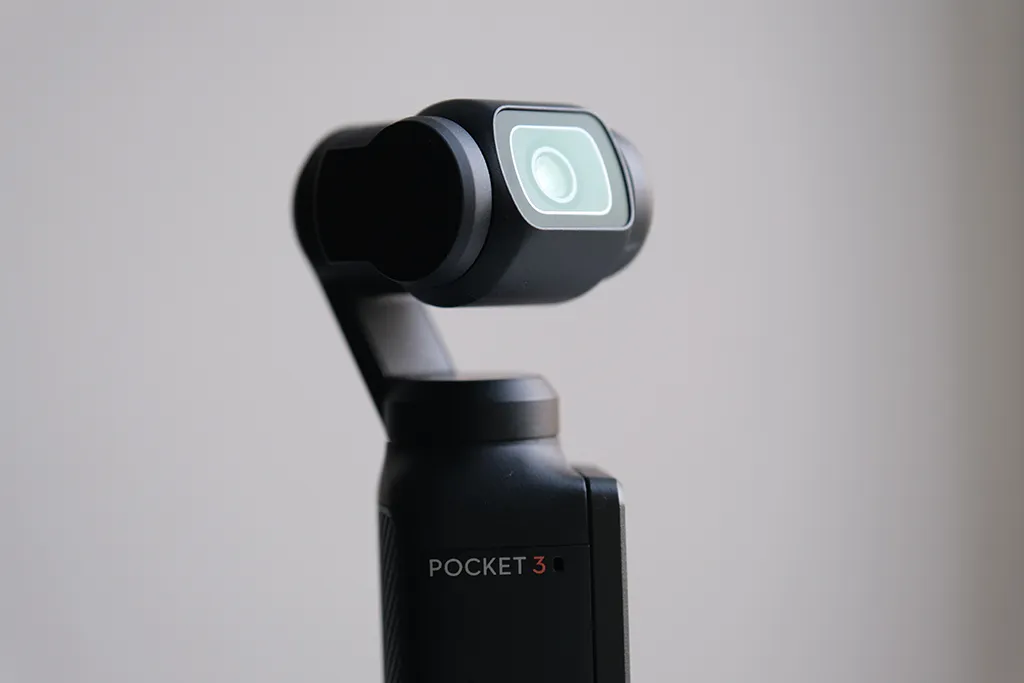
1. DJI Osmo Pocket 3 Creator Combo
- Sensor: 1-inch CMOS
- Resolution: 4K at 120fps
- Stabilization: 3-axis mechanical
- Special Features: ActiveTrack 6.0, rotatable touchscreen, stereo audio, and color grading.
This compact camera is perfect for vloggers and content creators who need high-quality, stable footage.
2. Vmotal 4K 48MP Video Camera
- Resolution: 4K UHD, 48MP photos
- Frame Rate: 60 fps
- Zoom: 16x digital zoom
- Special Features: Microphone options, slow-motion, time-lapse, and anti-shake technology.
A versatile option for both professionals and amateurs alike, offering impressive video quality at a reasonable price.
3. Sony FDR-AX43A
- Sensor: Exmor R CMOS
- Resolution: 4K
- Zoom: 20x optical zoom
- Special Features: Balanced Optical SteadyShot, 5-axis stabilization, and 235-minute battery life.
This camera is a favorite among professional content creators due to its high image quality and long battery life.
4. Panasonic HC-V380
- Resolution: Full HD
- Zoom: 50x optical zoom
- Stabilization: 5-axis stabilization
- Special Features: Wireless Multi-Cam and level shot function.
The Panasonic HC-V380 is ideal for anyone looking for an affordable, high-quality video camera.
How to Choose the Right Video Camera for Your Needs
Not sure which video camera is right for you? Consider the following factors:
1. Purpose
Are you shooting cinematic films, vlogs, or action sports? The purpose of your video will help determine the best camera for you. For example, if you’re into adventure sports, an action camera like a GoPro may be the right choice.
2. Budget
Video cameras come in a wide range of prices, so it’s important to set a budget. Professional cinema cameras can cost tens of thousands of dollars, while a good consumer camera may cost less than $1,000.
3. Portability
If you’re traveling frequently, a lightweight, compact camera may be more convenient than a bulky professional rig.
4. Accessories and Expandability
Look for cameras that support external microphones, lenses, and other accessories. This can enhance the versatility of your camera, allowing it to grow with your needs.
Additional Considerations When Buying a Video Camera
1. Battery Life
Make sure the camera you choose has a long battery life or the ability to record while charging. This ensures you won’t miss capturing important moments.
2. Audio Quality
For recording interviews, vlogs, or music, audio quality is crucial. Some cameras have built-in microphones, but external microphones often provide superior sound quality.
3. Durability
If you plan on filming in extreme conditions, look for a camera that is water-resistant, dust-proof, and shock-proof. Many action cameras are designed with these features in mind.
Conclusion
Choosing the right video camera is all about understanding your needs and knowing what features matter most. Whether you’re a beginner looking to capture family moments or a professional seeking top-tier gear for your next project, there is a camera out there for you. The key is to focus on essential features like sensor size, resolution, stabilization, and frame rate to ensure you get the best quality possible.
FAQs
-
What is the best video camera for beginners?
The DJI Osmo Pocket 3 is an excellent choice for beginners due to its easy-to-use interface and high-quality footage. -
What is the difference between optical and digital zoom?
Optical zoom adjusts the lens to bring the subject closer without losing quality, while digital zoom crops the image, which may reduce the quality. -
How many megapixels do I need for video recording?
For video recording, the resolution (HD, 4K, etc.) is more important than the number of megapixels, which primarily affects still images. -
Can I use my DSLR for video recording?
Yes, many DSLRs are capable of recording high-quality video and are often used by videographers for their versatility. -
What frame rate is best for slow-motion video?
A frame rate of 60 fps or higher is ideal for creating smooth slow-motion videos. -
Do I need a 4K camera for YouTube?
While 4K cameras offer superior quality, 1080p is more than enough for YouTube content, especially for casual creators. -
What is the importance of stabilization in a video camera?
Stabilization ensures your videos are smooth and free from the jitters caused by camera movement, resulting in more professional-looking footage. -
Can I record video in low light with a standard camera?
Yes, but ensure the camera has a large sensor and good low-light performance. Cameras with a higher ISO range and built-in lights are helpful for shooting in the dark.


