
Introduction
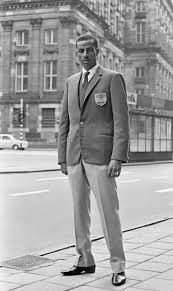
Abebe Bikila, an Ethiopian marathon runner, left an indelible mark on the world of athletics. Born on August 7, 1932, in Jato, Ethiopia, he is renowned for his incredible achievements, including his legendary barefoot victory at the 1960 Rome Olympics. His story is one of determination, resilience, and extraordinary athletic prowess.
Early Life and Background
Birth and Early Years
Abebe Bikila was born in the small village of Jato, located nine kilometers from Mendida, Ethiopia. On the day of his birth, the Olympic marathon was being held in Los Angeles. Bikila’s early life was typical of many rural Ethiopians; he was the son of a shepherd and lived a humble life. His path to international fame began in the most unexpected of ways.
Career Beginnings
Before becoming a celebrated athlete, Bikila worked as a police officer and a personal bodyguard to Emperor Haile Selassie in Addis Ababa. His athletic journey started relatively late, at the age of 24, when he began training under the guidance of Swedish coach Onni Niskanen.
Rise to Fame
1960 Rome Olympics
Abebe Bikila’s rise to fame was meteoric. At the 1960 Rome Olympics, he was a last-minute replacement for a fellow Ethiopian runner who was injured. The shoes provided by the sponsor did not fit comfortably, so Bikila decided to run the marathon barefoot. This decision led to one of the most iconic moments in Olympic history.
The Legendary Barefoot Victory
On September 10, 1960, Abebe Bikila won the Olympic marathon, finishing in a record time of 2:15:16. His barefoot run not only stunned the world but also became a symbol of resilience and determination. When asked why he chose to run barefoot, Bikila famously replied, “I wanted the world to know that my country, Ethiopia, has always won with determination and heroism.”
Continued Success and Challenges
1964 Tokyo Olympics
Despite undergoing an appendectomy just six weeks before the 1964 Tokyo Olympics, Bikila managed to defend his title. This time, he ran with shoes and set a new world record of 2:12:11. He became the first athlete to win two consecutive Olympic marathons, cementing his status as a legend in the sport.
1968 Mexico City Olympics
The 1968 Olympics in Mexico City presented new challenges. At 36, Bikila struggled with the high altitude and injuries. Despite his best efforts, he was unable to finish the race, marking the end of his Olympic marathon career.
Personal Life and Later Years
Tragic Accident
In 1969, Abebe Bikila’s life took a tragic turn when he was involved in a car accident near Addis Ababa. The accident left him paralyzed from the chest down. Despite this life-altering event, Bikila’s spirit remained unbroken.
Life After Paralysis
Bikila continued to engage in sports, participating in archery, table tennis, and even a sled dog race in Norway. His determination to remain active and competitive despite his disability was a testament to his unwavering spirit.
Death and Legacy
Abebe Bikila passed away on October 25, 1973, at the age of 41, due to a cerebral hemorrhage. His legacy lives on in the world of athletics and beyond. The national stadium in Addis Ababa was named in his honor, ensuring that his contributions to Ethiopian and global sports would never be forgotten.
Historical Context and Impact
Ethiopia’s Emergence in Athletics
Bikila’s victories in the 1960s were not just personal triumphs; they marked Ethiopia’s emergence as a powerhouse in long-distance running. His success inspired future generations of Ethiopian runners, including legends like Haile Gebrselassie and Kenenisa Bekele.
Symbol of African Pride
Abebe Bikila’s achievements went beyond sports. He became a symbol of African pride and potential during a time when many African nations were gaining independence. His victories challenged stereotypes and demonstrated that world-class athletes could come from any part of the globe.
Influence on Marathon Running
Bikila’s barefoot run in 1960 also had a lasting impact on marathon running. It highlighted the importance of natural running form and inspired interest in barefoot and minimalist running shoes. His story continues to inspire athletes and coaches around the world.
Detailed Analysis of Key Moments
The 1960 Rome Marathon
The 1960 Rome Marathon was not just a race; it was a defining moment in sports history. The course, starting and finishing at the Arch of Constantine, took runners past many of Rome’s historic landmarks. Despite being an underdog, Bikila maintained a strong pace throughout the race. His strategic decision to accelerate in the final kilometers helped him pull ahead of Moroccan runner Rhadi Ben Abdesselam.
Training Regimen and Coaching
Bikila’s success can be attributed to his rigorous training regimen and the expert guidance of his coach, Onni Niskanen. Niskanen introduced modern training techniques, emphasizing endurance and consistency. Bikila’s dedication to training, even in the face of personal and logistical challenges, was exemplary.
Overcoming Adversity in 1964
The 1964 Tokyo Olympics showcased Bikila’s resilience. His recovery from an appendectomy was nothing short of miraculous. Despite limited training, Bikila’s mental toughness and experience enabled him to dominate the marathon once again. His ability to perform under pressure set a new standard for athletes worldwide.
Cultural and Social Impact
Ethiopian National Identity
Abebe Bikila’s achievements played a significant role in shaping Ethiopian national identity. His victories brought immense pride to his country and showcased Ethiopia on the world stage. Bikila became a national hero, and his legacy continues to inspire Ethiopian youth.
Role Model for Athletes with Disabilities
After his accident, Bikila’s involvement in sports for athletes with disabilities set a powerful example. He demonstrated that physical limitations do not define a person’s potential. His participation in events like archery and sled dog racing highlighted the importance of perseverance and adaptability.
Conclusion
Abebe Bikila’s life is a testament to the power of determination, resilience, and athletic excellence. From his barefoot victory in Rome to his triumphant return in Tokyo, Bikila’s story continues to inspire athletes and non-athletes alike. His legacy as a pioneer in long-distance running and a symbol of Ethiopian pride remains enduring and influential.


