
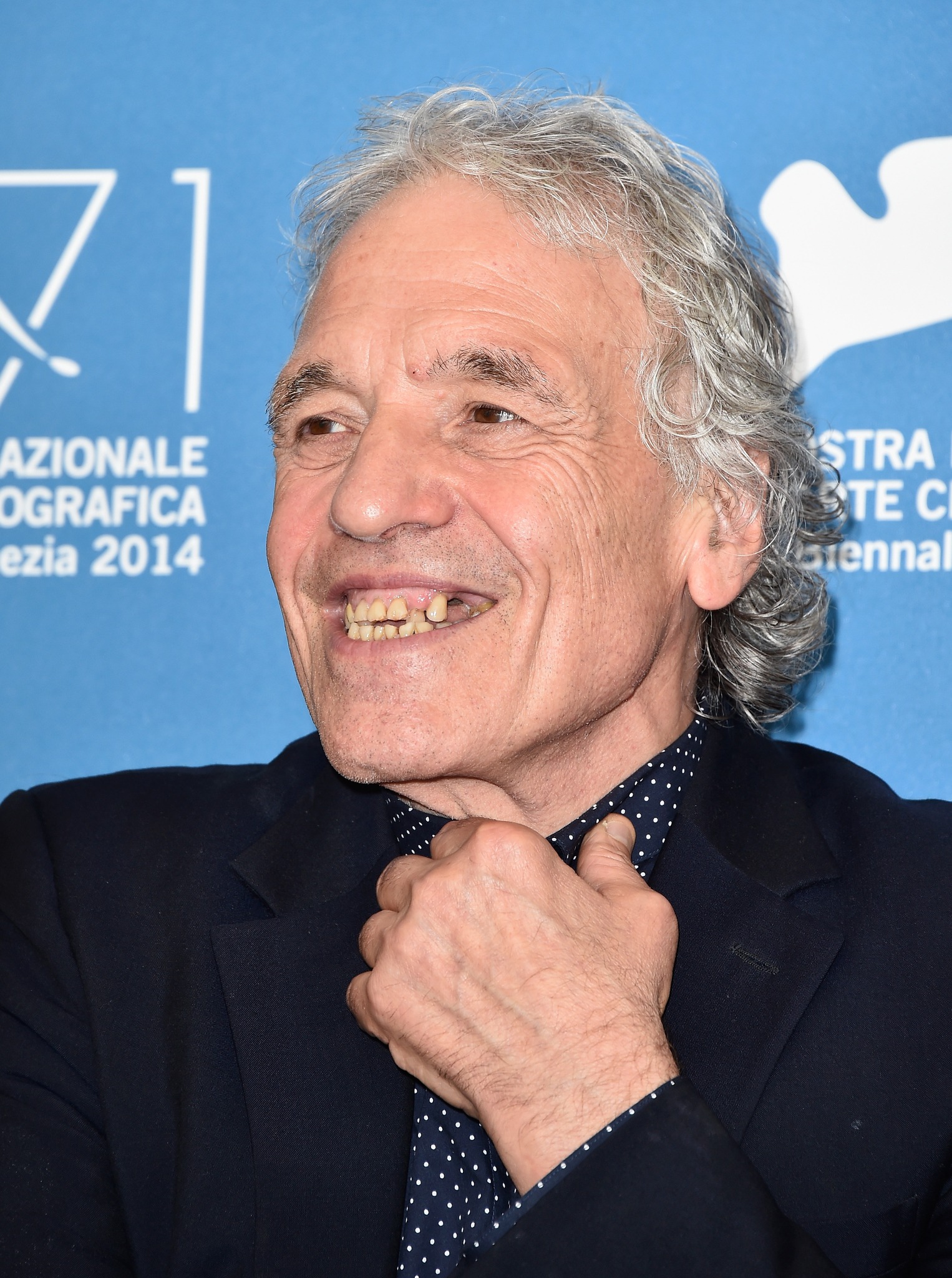
Abel Ferrara, born on July 19, 1951, in New York City, is a renowned filmmaker, actor, and screenwriter known for his gritty, provocative films that explore themes of sin, redemption, and the human condition. With Italian roots, Ferrara grew up in the Bronx, a neighborhood that profoundly influenced his cinematic style. Over his decades-long career, Ferrara has built a reputation as a maverick director, unafraid to tackle controversial subjects and push the boundaries of traditional filmmaking. This article explores the life, career, and artistic legacy of Abel Ferrara, offering detailed insights into his journey from the streets of New York to international acclaim.
Early Life and Influences
Abel Ferrara was raised in a working-class family in the Bronx, where his father made a living as a bookmaker—a profession that often brought trouble. It was Ferrara’s Neapolitan grandfather who played a significant role in his upbringing, instilling in him the values and cultural identity that would later permeate his work. The rough environment of the Bronx, combined with his Italian heritage, provided Ferrara with a unique perspective on life, one that would become central to his films.
At the age of 15, Ferrara met Nicholas St. John, a friendship that would prove crucial in his career. The two bonded over their shared passion for film and music, eventually forming a band with Ferrara as the lead singer. However, it was Ferrara’s interest in cinema that would dominate his life. By his early twenties, he was making short films on Super 8, often addressing the social and political issues of the time, such as the Vietnam War.
The Early Works: A Gritty Introduction
Ferrara’s first significant work in cinema came with the 1979 release of The Driller Killer, a low-budget horror film that he directed, wrote, and starred in under the pseudonym Jimmy Laine. The film, shot on a shoestring budget with non-professional actors, tells the story of a struggling artist who descends into madness and begins murdering homeless people with a power drill. The Driller Killer was a visceral and disturbing film that quickly gained a cult following among horror enthusiasts, establishing Ferrara as a filmmaker to watch.
In 1981, Ferrara released Ms. 45 (L’angelo della vendetta), another low-budget thriller that solidified his reputation as a director of intense, violent films. The movie follows a mute seamstress who, after being raped twice in one day, embarks on a killing spree against men. The film was notable for its stark portrayal of violence and its feminist undertones, and it quickly became a cult classic. The iconic image of the protagonist, dressed as a nun and wielding a gun, remains one of the most enduring symbols of Ferrara’s work.
Breaking into Mainstream Cinema
In the mid-1980s, Ferrara began to make inroads into more mainstream cinema. In 1984, he directed Fear City (Paura su Manhattan), a thriller set in Manhattan’s seedy underworld, starring Melanie Griffith. With a budget of $5 million—substantially higher than his previous projects—the film allowed Ferrara to work with more established actors and explore themes of urban decay and moral corruption on a larger scale. While Fear City did not achieve significant commercial success, it demonstrated Ferrara’s ability to handle bigger productions.
Ferrara’s work in television also helped him gain wider recognition. After meeting producer Michael Mann, Ferrara was hired to direct episodes of the popular TV series Miami Vice and Crime Story. These opportunities not only provided Ferrara with valuable experience but also helped him refine his style, balancing his penchant for gritty realism with the demands of network television.
The Turning Point: King of New York
The late 1980s marked a turning point in Ferrara’s career with the release of King of New York in 1990. The film, a gangster movie starring Christopher Walken as a drug lord who attempts to use his wealth to benefit society, was written by Ferrara’s longtime collaborator Nicholas St. John. King of New York received critical acclaim for its stylish direction, intense performances, and its exploration of themes like power, corruption, and redemption.
Christopher Walken’s performance as Frank White became one of the most iconic roles of his career, and the film’s success helped to establish Ferrara’s reputation in Europe, particularly in France, where he was celebrated as an auteur. King of New York marked the beginning of a fruitful collaboration between Ferrara and Walken, who would go on to work together on several other projects.
Exploring Sin and Redemption: The 1990s Trilogy
The early 1990s saw Ferrara at the height of his creative powers, with a series of films that delved deeply into themes of sin, guilt, and redemption. This period is often considered the pinnacle of Ferrara’s career, as he produced some of his most critically acclaimed and influential works.
The Bad Lieutenant (1992), starring Harvey Keitel, is perhaps Ferrara’s most famous film. The movie tells the story of a corrupt, drug-addicted police officer who seeks redemption after witnessing a brutal crime. Keitel’s raw, unflinching performance earned widespread praise, and the film became a landmark in independent cinema. The Bad Lieutenant is often compared to the works of Martin Scorsese, another filmmaker known for his exploration of sin and redemption, and it solidified Ferrara’s reputation as a master of gritty, morally complex storytelling.
In 1995, Ferrara released The Addiction, a black-and-white vampire film that uses the horror genre as a metaphor for addiction and the search for redemption. Starring Lili Taylor and Christopher Walken, The Addiction was praised for its philosophical depth and its unique take on the vampire mythos. The film further demonstrated Ferrara’s ability to blend genre filmmaking with existential themes, a hallmark of his work.
That same year, Ferrara directed The Funeral, a crime drama that explores the dynamics of a mob family dealing with the death of one of their own. The film, which starred Christopher Walken, Chris Penn, and Benicio del Toro, was another critical success and earned Chris Penn the Best Actor award at the Venice Film Festival.
Later Career and Continued Exploration of Themes
As the 1990s drew to a close, Ferrara continued to explore his recurring themes of sin, redemption, and the human condition. In 1996, he directed The Blackout, a psychological thriller starring Matthew Modine and Claudia Schiffer. The film, while not as successful as his earlier work, continued to showcase Ferrara’s fascination with the darker aspects of human nature.
In 1998, Ferrara released New Rose Hotel, a cyberpunk film based on a story by William Gibson. The film starred Christopher Walken, Willem Dafoe, and Asia Argento, but it was met with mixed reviews. Critics praised the film’s visual style and performances but criticized its narrative structure. Despite its lukewarm reception, New Rose Hotel remains an interesting entry in Ferrara’s filmography, reflecting his willingness to take risks and experiment with different genres.
The early 2000s saw Ferrara return to more familiar territory with ’R Xmas (2001), a thriller that marked his return to the themes and settings of his earlier works. The film, set during the holiday season in New York, tells the story of a drug-dealing couple who must navigate the dangers of their profession while trying to maintain a semblance of normalcy for their family. While not as well-known as some of his other films, ’R Xmas was praised for its atmospheric direction and strong performances.
Resurgence and Recognition
After a period of relative silence, Ferrara experienced a resurgence in the mid-2000s with the release of Mary (2005), a film that marked a return to the religious and existential themes that had defined his earlier work. Starring Juliette Binoche, Forest Whitaker, and Matthew Modine, Mary explores the story of an actress who becomes deeply affected by her role as Mary Magdalene in a film about Jesus Christ. The movie received critical acclaim and won a Special Jury Prize at the Venice Film Festival, reaffirming Ferrara’s place as a significant voice in contemporary cinema.
In 2007, Ferrara presented Go Go Tales at the Cannes Film Festival, a film that blended dark comedy with elements of drama, featuring Willem Dafoe and Asia Argento. The film was well-received, further showcasing Ferrara’s ability to navigate different genres while maintaining his distinct directorial style.
The Legacy of Abel Ferrara
Abel Ferrara’s films are not for the faint of heart. They are intense, unflinching explorations of the darker aspects of human nature, filled with flawed characters who grapple with sin, guilt, and the quest for redemption. His work is often compared to that of Martin Scorsese, particularly for its focus on themes of morality and redemption within the context of urban life.
Ferrara’s influence extends beyond the realm of independent cinema. His films have inspired a generation of filmmakers who admire his willingness to take risks and tackle challenging subjects. Despite the ups and downs of his career, Ferrara has remained a steadfastly independent voice in the film industry, committed to his vision and unafraid to challenge both himself and his audience.
As Ferrara continues to work and explore new themes, his legacy as a provocative and innovative filmmaker is secure. His body of work, which spans over four decades, remains a testament to his unique perspective on the world and his relentless pursuit of truth through cinema.


