
Introduction
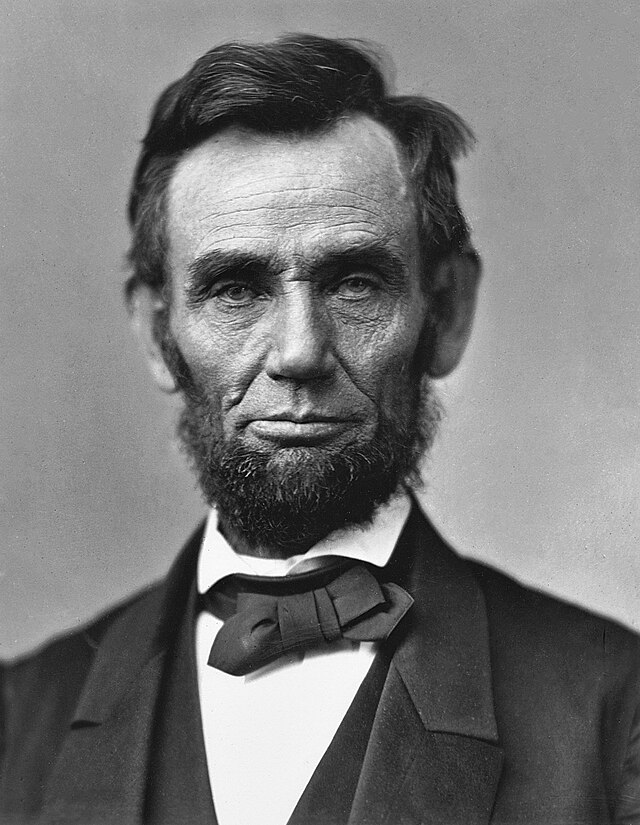
Abraham Lincoln stands as one of the most iconic figures in American history. Serving as the 16th President of the United States from 1861 until his assassination in 1865, Lincoln’s legacy is deeply intertwined with some of the most pivotal events in the nation’s history, particularly the Civil War and the abolition of slavery. This article delves into the life, achievements, and enduring fame of Abraham Lincoln, exploring his journey from humble beginnings to becoming a revered leader. We will also examine the historical context of his presidency and the impact of his policies on the United States.
Early Life and Background
Birth and Early Years
Abraham Lincoln was born on February 12, 1809, in a log cabin in Hodgenville, Kentucky. His early life was marked by hardship and poverty, growing up in a family of pioneers. Despite these challenges, Lincoln developed a keen intellect and a deep love for reading, largely self-educating himself in various subjects. His early exposure to the harsh realities of life in the American frontier shaped his character and influenced his political views.
Legal Career and Entry into Politics
Lincoln’s journey to prominence began with his legal career. After moving to Illinois, he became a self-taught lawyer, gaining a reputation for his honesty, integrity, and sharp legal mind. These qualities earned him the nickname “Honest Abe.” His legal career laid the foundation for his entry into politics, where he served as a state legislator in Illinois and later as a member of the U.S. House of Representatives. During this period, Lincoln began to voice his opposition to the expansion of slavery, a stance that would define his political career.
Rise to National Prominence
The Lincoln-Douglas Debates
One of the key moments in Lincoln’s rise to national prominence was his series of debates with Senator Stephen A. Douglas in 1858. These debates, centered around the issue of slavery’s expansion into new territories, showcased Lincoln’s eloquence and moral conviction. Although he lost the Senate race, the debates catapulted him onto the national stage and set the stage for his presidential candidacy.
Election as President
In 1860, Abraham Lincoln was elected as the 16th President of the United States, representing the newly formed Republican Party. His election was a turning point in American history, as it occurred during a time of deep national division over the issue of slavery. Lincoln’s victory was met with strong opposition from Southern states, leading to their secession from the Union and the onset of the Civil War.
Lincoln’s Presidency and the Civil War
The Onset of the Civil War
Lincoln’s presidency was dominated by the Civil War, a conflict that would become the bloodiest in American history. Upon taking office, Lincoln faced the daunting challenge of preserving the Union. His leadership during this tumultuous period was marked by his unwavering commitment to keeping the country united, even as the Southern states formed the Confederacy.
The Emancipation Proclamation
One of Lincoln’s most significant achievements during the Civil War was the issuance of the Emancipation Proclamation on January 1, 1863. This executive order declared that all slaves in Confederate-held territory were to be set free. While the proclamation did not immediately free all slaves, it fundamentally changed the character of the war, making the abolition of slavery a central goal of the Union war effort. It also paved the way for the eventual passage of the 13th Amendment, which would permanently abolish slavery in the United States.
The Gettysburg Address
Another defining moment of Lincoln’s presidency was his delivery of the Gettysburg Address on November 19, 1863. This brief but powerful speech was delivered at the dedication of the Soldiers’ National Cemetery in Gettysburg, Pennsylvania, following one of the war’s bloodiest battles. In just a few minutes, Lincoln reaffirmed the principles of liberty and equality enshrined in the Declaration of Independence and redefined the Civil War as a struggle not only for the Union but also for the principle of human equality.
Lincoln’s Leadership Style
A Man of the People
Lincoln’s leadership was characterized by his deep empathy and connection with ordinary Americans. He was known for his humility, often engaging in direct conversations with citizens and listening to their concerns. This “man of the people” approach endeared him to many and helped solidify his reputation as a leader who genuinely cared about the welfare of all Americans.
Decision-Making During Crisis
Throughout the Civil War, Lincoln faced numerous challenges that tested his resolve and decision-making abilities. He was known for his patience, often waiting for the right moment to make critical decisions. For example, his decision to issue the Emancipation Proclamation came after careful consideration of its potential impact on the war effort and the nation as a whole. Lincoln’s ability to navigate the complexities of war, politics, and public opinion was a testament to his exceptional leadership skills.
Legacy and Assassination
The 13th Amendment
One of Lincoln’s most enduring legacies is his role in the passage of the 13th Amendment, which abolished slavery in the United States. After his re-election in 1864, Lincoln pushed for the amendment’s passage, recognizing that the Emancipation Proclamation alone was not enough to ensure the permanent abolition of slavery. The amendment was passed by Congress on January 31, 1865, and ratified by the states later that year.
Assassination and National Mourning
Tragically, Lincoln’s life was cut short on April 14, 1865, when he was assassinated by John Wilkes Booth, a Confederate sympathizer, while attending a play at Ford’s Theatre in Washington, D.C. Lincoln’s assassination sent shockwaves through the nation, and he was mourned by millions as a martyr for the cause of liberty and union.
Enduring Fame and Memorialization
Abraham Lincoln’s legacy has endured for over a century and a half. He is often ranked among the greatest U.S. presidents, revered for his leadership during the Civil War and his role in ending slavery. Lincoln’s image is immortalized in numerous monuments, most notably the Lincoln Memorial in Washington, D.C., where his likeness and words continue to inspire generations of Americans.
Historical Context and Nuances
Lincoln’s Evolving Views on Slavery
While Lincoln is celebrated for his role in abolishing slavery, it is important to understand the evolution of his views on the issue. Early in his political career, Lincoln was primarily concerned with preventing the expansion of slavery into new territories, rather than advocating for its immediate abolition in states where it already existed. However, as the Civil War progressed, Lincoln’s views evolved, and he became more committed to the idea of emancipation as a moral imperative and a strategic necessity for preserving the Union.
The Political Climate of Lincoln’s Era
Lincoln’s presidency was marked by intense political division, with the country deeply split between the North and the South. The Republican Party, which Lincoln represented, was relatively new, having been formed in the 1850s in response to the Kansas-Nebraska Act, which allowed for the possibility of slavery’s expansion into new territories. The Democratic Party, particularly its Southern wing, was staunchly pro-slavery, leading to fierce political battles that ultimately culminated in the Civil War.
Lincoln’s Legacy in Modern America
In contemporary America, Lincoln’s legacy continues to be a source of inspiration and debate. His leadership during one of the nation’s darkest periods and his commitment to the principles of liberty and equality have made him a symbol of hope and resilience. However, discussions about Lincoln’s legacy also involve critical examinations of his policies and decisions, including his use of executive power during the war and his handling of civil liberties.
Conclusion
Abraham Lincoln’s life and presidency are marked by extraordinary achievements and profound challenges. From his humble beginnings in Kentucky to his leadership during the Civil War and his tragic assassination, Lincoln’s story is one of perseverance, moral conviction, and dedication to the ideals of liberty and union. His legacy continues to shape the American national identity, reminding us of the enduring importance of leadership in times of crisis. As we reflect on Lincoln’s life and contributions, we are reminded of the ongoing struggle to live up to the ideals he championed—freedom, equality, and unity for all.


