
Introduction
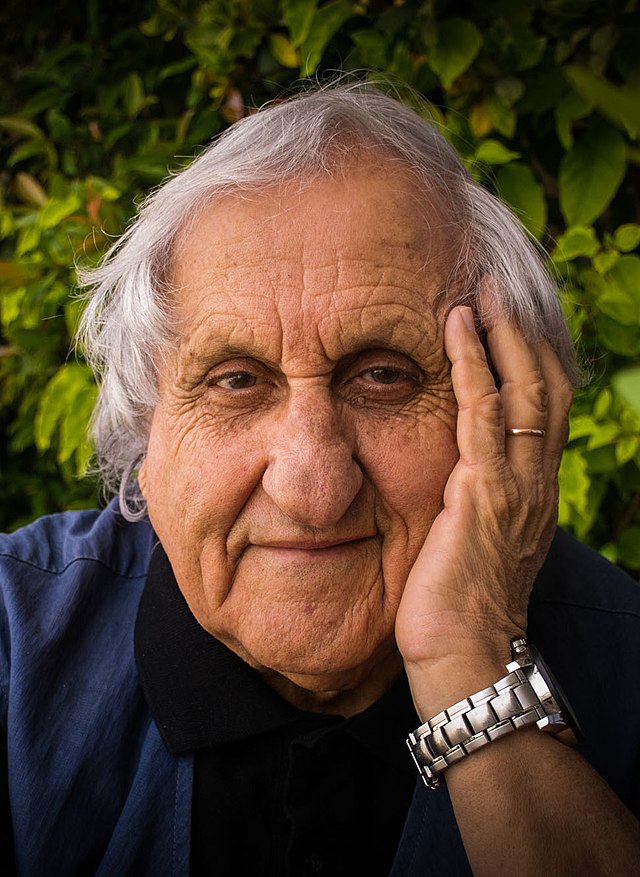
Abraham Yehoshua, often referred to as “Boolie” by those close to him, stands as one of Israel’s most prominent literary figures. Born in Jerusalem on December 9, 1936, Yehoshua carved out a significant place for himself in the world of literature, both in Israel and internationally. His works, which have been translated into over twenty languages, reflect the complexities of Israeli identity, personal relationships, and the broader human condition. In this article, we delve deep into the life of Abraham Yehoshua, exploring his early years, rise to fame, notable works, and the lasting impact of his literary and intellectual contributions.
Early Life and Background
Abraham Yehoshua was born into a family steeped in the history and culture of Sephardic Jewry. His father, Yaakov Yehoshua, was a historian whose work focused on the history of Jerusalem, a city with which the family had deep ties. His mother, Malka Rosilio, immigrated to what was then British Mandate Palestine from Morocco in 1932, bringing with her the rich cultural heritage of the Sephardic Jewish community.
Growing up in Jerusalem, Yehoshua was surrounded by the vibrant, yet often tumultuous, atmosphere of a city at the crossroads of different cultures, religions, and political ideologies. This environment would later influence his writing, as he explored the intersections of personal identity, national belonging, and historical memory.
After completing his secondary education at the Gymnasia Rehavia, Yehoshua served in the Israel Defense Forces from 1954 to 1957. His time in the military, during which he experienced the harsh realities of conflict, had a profound impact on him and would later inform the themes of his literary work.
Following his military service, Yehoshua pursued higher education at the Hebrew University of Jerusalem, where he studied Hebrew literature and philosophy. These academic pursuits provided him with the intellectual foundation that would underpin his literary career, allowing him to engage deeply with questions of identity, morality, and the human experience.
Literary Beginnings and the Israeli New Wave
Yehoshua began his literary career in the early 1960s, initially writing short stories and plays. His first collection of stories, Mot Hazaken (The Death of the Old Man), published in 1962, marked his entry into the Israeli literary scene. The collection was well-received, and Yehoshua quickly established himself as a leading voice in what came to be known as the “Israeli New Wave,” a literary movement that sought to shift the focus of Israeli literature from collective national narratives to individual experiences and interpersonal relationships.
The Israeli New Wave was characterized by its emphasis on psychological realism and its exploration of the complexities of modern Israeli life. Yehoshua’s work during this period reflected these themes, as he delved into the inner lives of his characters, exploring their personal struggles, moral dilemmas, and the ways in which they navigated the rapidly changing landscape of Israeli society.
Major Works and International Acclaim
While Yehoshua’s early work earned him recognition in Israel, it was his novels that brought him international acclaim. His first major novel, The Lover (1977), is often considered a milestone in modern Hebrew literature. The novel, set during the Yom Kippur War, explores the lives of a diverse group of Israelis as they grapple with issues of love, identity, and loyalty. Through its multiple perspectives, The Lover offers a nuanced portrayal of Israeli society, highlighting the tensions and contradictions that define it.
Another of Yehoshua’s most celebrated works is Mr. Mani (1990), a multi-generational saga that traces the history of a Sephardic Jewish family from the 19th century to the present day. The novel is notable for its innovative structure, being composed of five dialogues that take place across different time periods. Each dialogue reveals a piece of the Mani family’s history, gradually building a complex narrative that reflects the broader history of the Jewish people and the State of Israel.
Mr. Mani was widely praised for its literary ambition and depth, and it cemented Yehoshua’s reputation as one of Israel’s most important writers. The novel was translated into numerous languages and won several awards, including the prestigious Israel Prize for Literature in 1995.
Yehoshua’s work often grappled with the themes of identity, displacement, and the search for meaning in a world marked by conflict and change. His novel A Late Divorce (1982) is a poignant exploration of a family’s dissolution, set against the backdrop of Israeli society in the early 1980s. The novel’s fragmented narrative structure reflects the fractured lives of its characters, offering a powerful meditation on the nature of love, loss, and the passage of time.
Academic Career and Intellectual Contributions
In addition to his literary achievements, Abraham Yehoshua had a distinguished academic career. He taught comparative and Hebrew literature at the University of Haifa, where he influenced generations of students with his deep knowledge of literature and his passion for exploring the complexities of the human experience.
Yehoshua was also a public intellectual, frequently engaging in debates about Israeli society, politics, and culture. His essays and articles addressed a wide range of topics, from the Israeli-Palestinian conflict to the challenges of secularism and modernity in Israel. He was known for his sharp intellect and his willingness to challenge prevailing orthodoxies, both within Israel and beyond.
One of Yehoshua’s most significant contributions to the intellectual discourse in Israel was his exploration of the concept of Jewish identity. In his essays, he often critiqued the narrow definitions of Jewishness that he felt dominated Israeli society, advocating instead for a more inclusive and diverse understanding of what it means to be Jewish. He argued that Jewish identity should be rooted not only in religious observance but also in a deep connection to culture, history, and the land of Israel.
Later Works and Continuing Legacy
In the later years of his career, Yehoshua continued to produce significant literary works, many of which reflected his ongoing preoccupation with the themes of identity, memory, and the human condition. His novel The Liberated Bride (2001) is a sprawling narrative that examines the tensions between different generations and cultures within Israeli society. The novel’s protagonist, a university professor, becomes obsessed with uncovering the truth about his son’s failed marriage, leading him on a journey that explores the complexities of love, family, and national identity.
Another notable work from this period is Friendly Fire (2007), a novel that examines the impact of war and violence on individuals and families. The novel’s title refers to the tragic phenomenon of “friendly fire” in military conflicts, where soldiers are accidentally killed by their own forces. Through its exploration of this theme, Friendly Fire offers a powerful commentary on the ways in which violence and conflict can fracture lives and relationships.
Yehoshua’s final novel, The Tunnel (2018), is a poignant exploration of aging, memory, and the search for meaning in the face of mortality. The novel’s protagonist, an aging engineer suffering from the early stages of dementia, embarks on a journey to complete one final project—a tunnel that will connect two parts of the West Bank. The novel is a meditation on the passage of time, the inevitability of decline, and the enduring human desire to leave a mark on the world.
Personal Life and Final Years
Abraham Yehoshua was married to Rivka, a psychoanalyst who specialized in clinical psychology. The couple lived in Haifa, where Yehoshua taught at the University of Haifa. Rivka’s work in psychology had a profound influence on Yehoshua’s writing, particularly in his exploration of the psychological dimensions of his characters.
In the final years of his life, Yehoshua faced significant health challenges. Despite these difficulties, he continued to write and engage with the world around him. In his final interviews, he spoke with characteristic candor about his impending death, expressing concern for the future of Israel and the Jewish people.
Yehoshua passed away on June 14, 2022, in Tel Aviv, at the age of 85. His death marked the end of an era in Israeli literature, but his work continues to inspire readers around the world.
Legacy and Influence
Abraham Yehoshua’s legacy is one of profound literary and intellectual achievement. His novels, plays, and essays have left an indelible mark on Israeli culture and have contributed to the global conversation about identity, conflict, and the human experience. Yehoshua’s exploration of the complexities of Jewish and Israeli identity has resonated with readers across the world, offering insights into the challenges and possibilities of life in the modern world.
Yehoshua’s influence extends beyond the realm of literature. As a public intellectual, he played a significant role in shaping the cultural and political discourse in Israel. His willingness to engage with difficult questions and to challenge prevailing narratives has left a lasting impact on Israeli society.
In the years since his passing, Yehoshua’s work has continued to be studied and celebrated by scholars, writers, and readers. His novels remain a vital part of the Israeli literary canon, and his essays continue to provoke thought and debate. As Israel and the world continue to grapple with the issues of identity, conflict, and belonging, the work of Abraham Yehoshua remains as relevant as ever.
Conclusion
Abraham Yehoshua’s life and work offer a powerful testament to the enduring power of literature to illuminate the complexities of the human experience. Through his novels, plays, and essays, Yehoshua explored the intricate web of personal, cultural, and national identities that define our lives. His legacy is one of deep intellectual engagement, creative innovation, and a steadfast commitment to exploring the deepest questions of existence. As we continue to read and reflect on his work, we are reminded of the profound insights that literature can offer and the lasting impact that a single voice can have on the world.


