
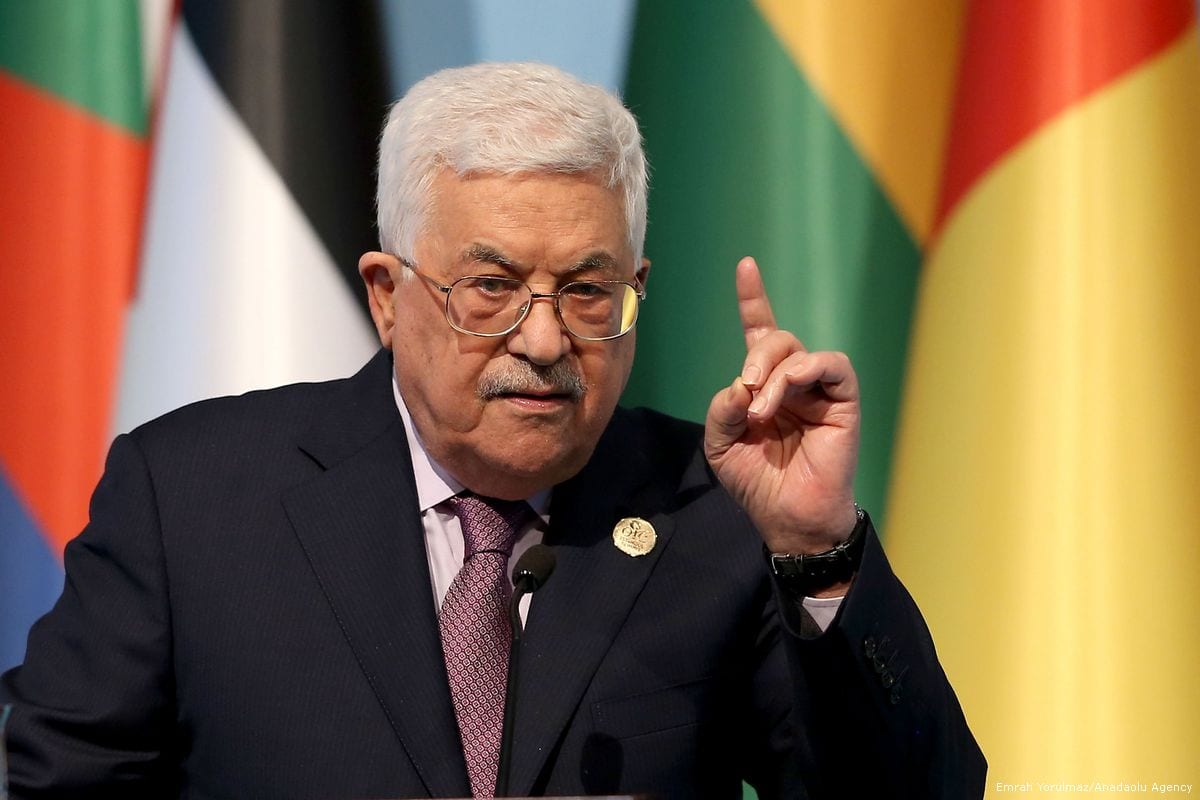
Abu Mazen, whose real name is Mahmoud Abbas, is one of the most prominent figures in Palestinian politics. Born on March 26, 1935, in Safad, a city that is now part of Israel, Abbas has played a pivotal role in shaping the political landscape of the Palestinian territories. His life and career have been marked by his efforts to lead the Palestinian people towards self-determination, his involvement in peace negotiations, and his complex legacy within the region’s turbulent history.
Early Life and the Birth of a Political Figure
Mahmoud Abbas, known widely by his kunya (a traditional Arabic honorific) “Abu Mazen,” meaning “father of Mazen” (after his firstborn son), was born into a tumultuous period. The 1930s and 1940s were years of great upheaval in Palestine, culminating in the 1948 Arab-Israeli War and the establishment of the State of Israel. This event, known as the Nakba (“catastrophe”) among Palestinians, led to the displacement of hundreds of thousands of Palestinians, including the young Abbas and his family, who fled Safad when he was just 13 years old.
The trauma of displacement and the loss of his homeland deeply influenced Abbas’s worldview and laid the foundation for his future political activism. He would spend the next several years in Syria, where he completed his education, including a law degree from the University of Damascus. His academic pursuits continued in Moscow, where he earned a PhD in history. His doctoral thesis, which controversially examined the relationship between Zionism and Nazism, would later become a source of significant criticism and controversy.
Rise in the Palestinian Liberation Organization (PLO)
The 1960s were a crucial decade for Abbas as he began his active involvement in the Palestinian nationalist movement. In 1965, he joined the newly-formed Palestinian Liberation Organization (PLO), a movement dedicated to the establishment of an independent Palestinian state. Abbas quickly rose through the ranks, becoming a close associate of Yasser Arafat, the PLO’s charismatic leader.
Abbas’s role in the PLO was multifaceted. He was a key figure in the organization’s diplomatic efforts, advocating for the Palestinian cause on the international stage. His pragmatism and ability to navigate the complex geopolitical landscape of the Middle East made him an invaluable asset to the PLO. However, his tenure was not without controversy. His involvement in the 1972 Munich Olympics attack, where members of the Black September organization (a PLO faction) took Israeli athletes hostage, remains a dark chapter in his history, although his exact role in the incident is still debated.
In 1982, Abbas completed his PhD with a thesis that questioned the extent of the Holocaust, a stance that drew widespread condemnation and accusations of Holocaust denial. This thesis, titled “The Other Side: The Secret Relationship Between Nazism and Zionism,” was published in 1984 and has continued to haunt his career, particularly in his dealings with Israeli leaders and Jewish organizations worldwide.
Involvement in Peace Negotiations
Despite the controversies surrounding his early career, Abbas emerged as a key proponent of dialogue and negotiation as a means to achieve Palestinian statehood. His involvement in the Oslo Accords of the early 1990s marked a significant shift in Palestinian strategy. The Oslo process, which began with secret negotiations between the PLO and Israel, eventually led to the signing of the Declaration of Principles in 1993. This agreement, often seen as the first step towards a two-state solution, granted limited self-rule to Palestinians in parts of the West Bank and Gaza Strip.
Abbas was one of the chief architects of the Oslo Accords. His pragmatic approach, which contrasted with the more militant stances within the PLO, was instrumental in securing the agreement. The Accords, however, were deeply divisive. While some Palestinians saw them as a necessary compromise, others viewed them as a betrayal of the Palestinian cause. This division has continued to shape Palestinian politics to this day.
Presidency of the Palestinian Authority
Abbas’s ascendancy to the presidency of the Palestinian Authority (PA) in 2005 marked the beginning of a new era in Palestinian politics. He succeeded Yasser Arafat, who had died the previous year, and inherited a political landscape fraught with challenges. The Second Intifada (a Palestinian uprising against Israeli occupation) had left the territories in turmoil, and the PA was deeply divided.
Abbas’s presidency has been characterized by his efforts to achieve a lasting peace with Israel, despite the numerous obstacles he has faced. His approach has been one of non-violence and negotiation, in stark contrast to some of the more militant factions within the Palestinian political spectrum, such as Hamas. However, his tenure has also been marked by significant internal challenges, including corruption within the PA, the ongoing Israeli settlement expansion, and the failure to achieve a final peace agreement.
One of the most significant events during Abbas’s presidency was the 2006 Palestinian legislative elections, which resulted in a surprise victory for Hamas. This victory led to a power struggle between Hamas and Fatah, Abbas’s political party, which culminated in the violent split of the Palestinian territories into two separate entities: the West Bank, controlled by the PA, and Gaza, controlled by Hamas. This division has further complicated efforts to achieve Palestinian unity and has weakened the overall Palestinian position in negotiations with Israel.
Challenges and Controversies
Abbas’s leadership has not been without its controversies. His decision to extend his presidential term beyond its original mandate, citing the lack of national elections due to the ongoing political divide between the West Bank and Gaza, has drawn criticism both domestically and internationally. Critics accuse him of becoming increasingly autocratic and out of touch with the Palestinian populace, particularly the younger generation, who have grown disillusioned with the peace process and the lack of progress towards statehood.
Moreover, Abbas’s health has become a topic of concern in recent years. As he has aged, rumors about his declining health have sparked debates over the future of Palestinian leadership and the potential for a succession crisis within the PA. The lack of a clear successor and the fragmented nature of Palestinian politics add to the uncertainty surrounding the post-Abbas era.
Despite these challenges, Abbas has continued to pursue international recognition for Palestinian statehood. His efforts at the United Nations, including the successful bid for non-member observer state status in 2012, have been seen as significant achievements in the diplomatic arena. However, these victories have not translated into tangible changes on the ground, as the Israeli occupation of the West Bank continues, and the prospects for a two-state solution appear increasingly bleak.
Historical Context and Impact on Palestinian Politics
To fully understand Mahmoud Abbas’s impact on Palestinian politics, it is essential to consider the broader historical context in which he has operated. The Israeli-Palestinian conflict is one of the most protracted and complex conflicts in modern history, with deep-rooted historical, religious, and political dimensions. Abbas’s career has been shaped by this conflict, and his legacy will be judged in the context of his efforts to navigate its challenges.
The Oslo Accords, for which Abbas was a key negotiator, represent a significant moment in the history of the conflict. While the Accords were intended to lay the groundwork for a lasting peace, their failure to deliver on this promise has led to widespread disillusionment among Palestinians. Abbas’s continued commitment to the Oslo framework, despite its shortcomings, reflects his belief in the possibility of a negotiated solution. However, this approach has also made him a target for criticism from those who believe that more confrontational tactics are necessary.
Abbas’s tenure has also been marked by the changing dynamics of the Middle East. The Arab Spring, the rise of Islamist movements, and shifting alliances among regional powers have all influenced the Palestinian cause. Abbas’s ability to maintain the PA’s relevance in this evolving landscape is a testament to his political acumen, but it also highlights the limitations of his leadership in the face of larger geopolitical forces.
Legacy and Future Prospects
As Mahmoud Abbas approaches the twilight of his career, his legacy remains a subject of intense debate. To some, he is a pragmatic leader who has sought to achieve Palestinian statehood through diplomacy and negotiation. To others, he is a figure who has failed to deliver on the promises of the Oslo Accords and who has presided over a divided and weakened Palestinian polity.
Abbas’s legacy will likely be defined by his role in the peace process and his efforts to secure international recognition for Palestine. However, the continued occupation of Palestinian territories, the lack of a unified Palestinian leadership, and the absence of a final peace agreement with Israel cast a shadow over his achievements. The future of Palestinian leadership remains uncertain, and the challenges facing the next generation of Palestinian leaders will be immense.
In conclusion, Mahmoud Abbas, or Abu Mazen, is a complex and multifaceted figure. His life and career reflect the broader struggles and aspirations of the Palestinian people. As he continues to lead the Palestinian Authority, his decisions and actions will shape the future of the Palestinian national movement and the ongoing quest for statehood.


