
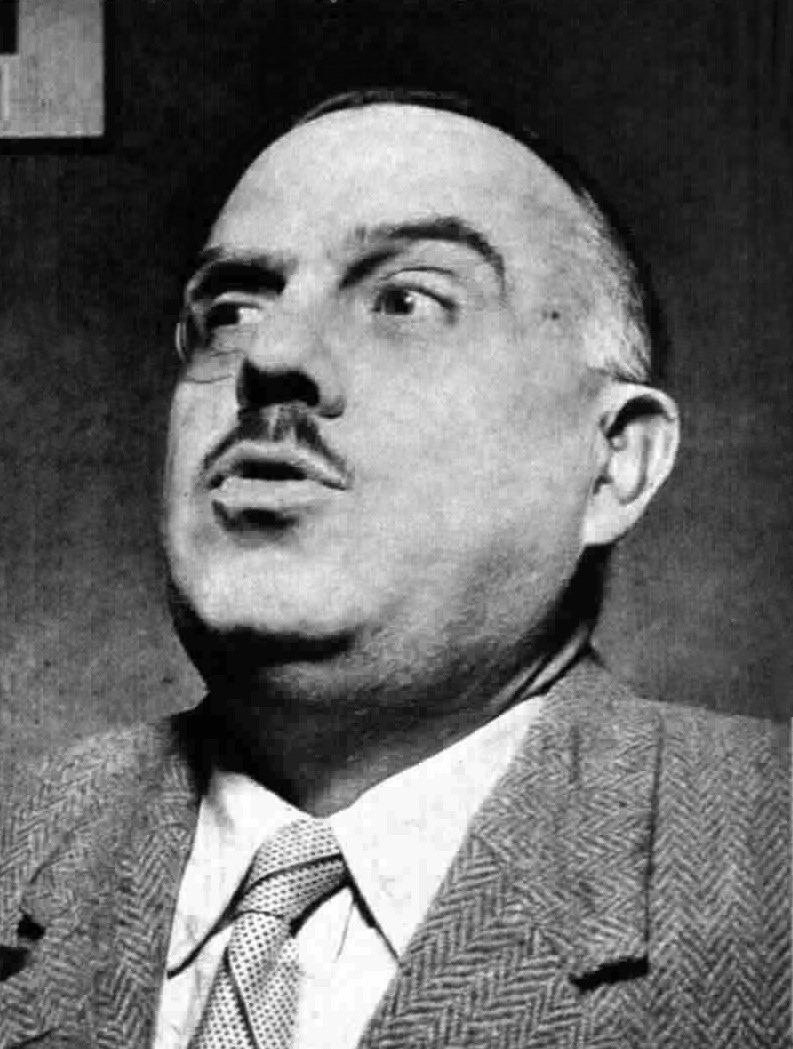
Achille Campanile is a name that resonates deeply in the world of literature and theater, especially in Italy, where he is celebrated as one of the greatest humorists of the 20th century. Born on September 28, 1899, in Rome, Campanile’s work is characterized by a unique blend of absurdity, wit, and a profound understanding of the human condition. His ability to make readers laugh at situations that are not inherently funny, and to find humor in the mundane, sets him apart as a literary genius whose influence continues to be felt today.
Early Life and Introduction to Writing
Achille Campanile was born at the turn of the century in a rapidly changing Italy. Despite the occasional misreporting of his birth year as 1900, official records confirm that he was born in 1899. From a young age, Campanile exhibited a talent for writing, and he began his career as a journalist, contributing to various newspapers such as La Tribuna and L’Idea Nazionale. His journalistic endeavors provided him with a platform to explore his unique brand of humor, which often involved wordplay, puns, and a keen observation of the absurdities of daily life.
In the early stages of his career, Campanile also ventured into theater, where he began to develop his signature style. His first notable works in this medium were the “Tragedie in due battute” (Tragedies in Two Acts), short plays that showcased his love for linguistic games and surreal situations. These early works established him as a distinct voice in Italian theater, one that defied conventional expectations and challenged audiences to see the world through a different lens.
The Language of Laughter
What sets Achille Campanile apart from other writers of his time is his masterful use of language. His writing is deceptively simple, characterized by plain and everyday language that belies its underlying complexity. According to the renowned scholar Umberto Eco, Campanile’s language is an example of “taking language by the scruff of the neck,” manipulating it in such a way that it creates a sense of estrangement or defamiliarization. This approach allows Campanile to extract humor from the most ordinary situations, turning the mundane into the absurd with just a few well-placed words.
For example, in his novels and short stories, Campanile often portrays seemingly normal events that, upon closer examination, reveal themselves to be anything but normal. His humor lies in this subtle subversion of expectations, where readers find themselves laughing at scenarios that are not overtly funny but are rendered hilarious by Campanile’s unique perspective and linguistic dexterity.
Success in Literature and Theater
Achille Campanile’s literary career was marked by both critical acclaim and popular success. His first major theatrical success came with the play “L’amore fa fare questo e altro” (Love Makes You Do This and That) in 1930. The play was met with mixed reactions, receiving both passionate praise and harsh criticism. However, it solidified Campanile’s reputation as a playwright who was unafraid to push the boundaries of conventional theater.
In addition to his work in theater, Campanile was a prolific novelist. Some of his most famous works include Ma che cosa è quest’amore (But What is This Love), Chiarastella, La moglie ingenua e il marito malato (The Naive Wife and the Sick Husband), and L’eroe (The Hero). These novels, like his plays, are characterized by their wit, humor, and the exploration of absurdity in everyday life. Many of his stories were first published in major Italian newspapers such as La Stampa, La Gazzetta del Popolo, and Milano Sera, before being compiled into collections that continue to be read and enjoyed today.
Campanile’s contribution to literature was recognized with numerous awards, including the prestigious Viareggio Prize, which he won twice. The first was in 1933 for his novel Cantilena all’angolo della strada (Chant at the Street Corner), and the second was forty years later for his Manuale di conversazione (Manual of Conversation). These awards are a testament to his enduring popularity and the significant impact of his work on Italian literature.
The Man Behind the Words
Despite his public success, Achille Campanile was a private man who preferred to stay out of the spotlight. He was known for his tireless work ethic, often writing late into the night. Campanile wrote by hand, jotting down ideas on whatever paper was available, including tram tickets and scraps of paper he kept in his pockets. His creative process was continuous and unrelenting, leading to a vast body of work that included novels, plays, essays, and short stories.
In his later years, Campanile moved between Rome and Milan, but eventually settled in Lariano, a small town near Velletri. This move was largely influenced by his desire to accommodate the wishes of his wife, Pinuccia, and their son, Gaetano. In Lariano, Campanile adopted a more relaxed lifestyle, abandoning his monocle and elegant attire in favor of a long beard and the appearance of an old patriarch. However, his passion for writing never waned, and he continued to produce a steady stream of literary works until his death on January 4, 1977.
Literary Legacy and Influence
Achille Campanile’s influence on Italian literature and theater cannot be overstated. He was a pioneer of absurdist humor, a genre that would later be popularized by writers such as Eugène Ionesco and Samuel Beckett. However, Campanile’s humor was distinctly Italian, rooted in the cultural and social realities of his time. His ability to find humor in the everyday and to use language as a tool for subversion set him apart as a literary innovator.
Campanile’s work also challenges readers to think critically about the nature of language and communication. By playing with words and their meanings, he forces readers to question their assumptions and to see the world in a new light. This aspect of his work has been particularly influential in the field of semiotics, where scholars like Umberto Eco have drawn on Campanile’s techniques to explore the relationship between language and meaning.
Moreover, Campanile’s legacy extends beyond the boundaries of literature. His work has had a lasting impact on Italian popular culture, influencing everything from comedy to advertising. His approach to humor, characterized by its subtlety and intelligence, continues to inspire writers, comedians, and artists in Italy and beyond.
The Historical Context of Campanile’s Work
To fully appreciate Achille Campanile’s contributions to literature, it is essential to consider the historical context in which he lived and worked. Campanile’s career spanned some of the most tumultuous periods in modern Italian history, including the rise of fascism, World War II, and the post-war reconstruction. These events undoubtedly influenced his work, particularly his use of humor as a means of coping with and critiquing the absurdities of life under authoritarian regimes.
During the fascist era, for example, Campanile’s work often contained subtle critiques of the regime, hidden beneath layers of humor and absurdity. His ability to navigate the complexities of censorship while still delivering biting social commentary is a testament to his skill as a writer. Even in the face of political oppression, Campanile never lost his sense of humor or his commitment to using language as a tool for resistance.
In the post-war period, Campanile’s work took on a new significance as Italy grappled with the challenges of rebuilding a nation that had been devastated by war. His exploration of the absurdity of life, the futility of human endeavors, and the contradictions inherent in modern society resonated deeply with readers who were trying to make sense of a world that had been turned upside down.
Achille Campanile’s Enduring Appeal
Achille Campanile’s work continues to be celebrated for its wit, originality, and profound insights into the human condition. His ability to find humor in the most unlikely places and to use language as a tool for both entertainment and critique has earned him a place among the great literary figures of the 20th century.
Today, Campanile’s work is still widely read and studied, not only in Italy but around the world. His plays are regularly performed, his novels continue to be published, and his influence can be seen in the work of contemporary writers and comedians. Campanile’s legacy is a testament to the enduring power of humor and the written word to challenge, entertain, and inspire.
In a world where the absurdities of life often seem overwhelming, Achille Campanile’s work serves as a reminder that laughter is not only a means of coping but also a powerful tool for understanding and navigating the complexities of the human experience. His unique voice, characterized by its blend of simplicity and sophistication, continues to resonate with readers and audiences, ensuring that his contributions to literature and theater will not be forgotten.


